







S M B O measurement-vertical measurement-vertical

Stories for beef

Bar Urca

In a city with no shortage of postcard views, Bar Urca’s may get the title for most picturesque in Rio. The eponymous residential neighborhood where the bar is located faces Guanabara Bay, where a colorwheel of boats and yachts bobble on the slow waves leading up to the seawall. Across the bay, the iconic Christ statue watches over everyone from atop Corcovado peak behind the neighborhood of Botafogo.

Rengatei

We woke one Sunday craving omuraisu, our favorite Japanese comfort food. Omuraisu, sometimes rendered as omurice, is an umami bomb: a soft egg omelet arranged over rice studded with a protein such as chicken or pork and a flourish of ketchup-laced demi-glace sauce over the top. So we headed to Edoya, a yoshoku outpost in central Tokyo that opened over 60 years ago and became popular thanks to a particularly affable chef. Although it means “Western food,” yoshoku is a decidedly Japanese creation, one inspired by a 19th-century notion of pan-European cuisine. Developed with the support of the Meiji Emperor around 1900, this style of cooking places a great emphasis on meats, often paired with rich demi-glace sauces, which many believed would help Japanese people become larger in build.

Tortas Oaxaqueñas

The thrill of hanging out in Oaxaca’s historic city center is something that has always made me happy since I was young. Almost every afternoon, I would walk, together with my best friend, to the colonial-style streets of downtown. From buying comics to returning a book to the library, there was always some reason to go to El Centro. Before heading back home, one of our rituals was to stop at the long-gone La Esmeralda, our favorite downtown convenience store. We would sidle up to the vintage wooden counter and order a cold soda, a spicy tamarind candy or a torta, a savory sandwich that, along with tacos and tamales, forms the backbone of Vitamin T, as this holy trinity of Mexican grab-and-go foods are often referred to.

Recipe

Greek stifado is a special dish: It requires time to prepare but the result is succulent, rewarding and stomach-warming, like stews ought to be. Tender, juicy chunks of meat are patiently cooked at low heat amid a sea of small pearl onions in a rich red wine sauce flavored with warming spices and herbs, like allspice, cinnamon, cloves, bay leaves and rosemary, that I tend to associate more with the winter season. By the end, the onions go glossy and caramelized in this delicious sauce and the pieces of meat are fork tender. The word stifado derives from the ancient Greek word tyfos (τύφος), which means steam. This is the root for the Latin word estufare, from which the Italian stufato (or Venetian stufado), the Italian word for stew, was born.

La Femme du Boucher

Although reputed for its meat, La Femme du Boucher is nothing like your classic steakhouse. Plants dangle from the ceiling and sprout on shelves, making the covered patio feel like an outdoor garden, and a heap of roasted vegetables gets equal footing with our huge hunk of boudin, or blood sausage. We have chef Laëtitia Visse, the woman behind “The Butcher’s Wife,” to thank for this departure from the clubby, gentleman vibe. The young chef’s first restaurant reflects her simple desire: to serve up great food and good times. The generous plates and convivial space help see to that.

CB on the Road

Cecina is a food for the road. In its most common form, the salted and dried meat can last for months, which explains why it was a main source of sustenance for travelers, sailors and soldiers in colonial Mexico. Nowadays, cecina is still known as a thin cut of cured meat – almost always beef – that can be eaten completely dry, similar to beef jerky. Yet in central Mexico, specifically in the state of Morelos, cecina is normally salted (tiny cuts are made in the meat and fine salt is added) and then sun dried and air cured for two or three days (the thin sheets are usually laid out on tables or hung over wires), before being grilled over charcoal.

Chartres Sunday

After 12 years of living in Shanghai, we thought we had eaten our way through every nook and cranny in this city, but China has a delightful way of always surprising you. A friend tipped us about a great little Taiwanese joint less than a kilometer from our office, and since Taiwanese food is woefully underrepresented in Shanghai, we immediately planned a lunch outing to test its beef noodle soup and braised pork rice. When we pulled up outside a three-story Spanish villa complete with Juliet balconies and a rosy pink paint job, we were surprised to find a familiar sight. The distinctive building sits directly across the street from a yoga studio we had gone to for four years. We’d never even considered that it could be a restaurant – there’s no sign or indication that delicious dishes lay just beyond the front door.

Pirineu en Boca

There are many legends and myths surrounding the Pyrenees. Some claim that the divine hero Hercules created the mountains by piling up rocks as a tomb for his love Pyrene, who had died in one of the area’s forests after being bitten by a snake. While a romantic story, the Pyrenees are much more than a mausoleum and a symbol of mythic love – they are also the birthplace of Basque culture and a disputed border between Spain and France, a place crisscrossed by Roman roads and sprinkled with Roman architecture, a key point in the Camino de Santiago (Way of Saint James) and a legendary land for the Catalans.

Best Bites 2017

This year saw record-breaking numbers of tourists descend on Tokyo, and a handful more Michelin stars to further the capital’s lead over every other city in the world. Feeling vicariously fatigued from all this attention, for the most part I tried my best to avoid both the throngs of tourists and Michelin-grade ostentation this year, though both proved impossible to elude completely. For that reason, my most memorable meals in 2017 were a combination of old favorites and unexpected discoveries. Ushitora: I’ve lost count of how many times I’ve spent an entire evening unwinding at a corner table in Ushitora.

Las Mas Altas Montañas, photo by Ben Herrera

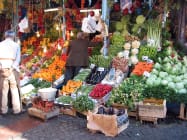
As soon as you enter Mercado Jamaica, one of Mexico City’s largest markets, you will quickly see (and smell) its main trade: flowers. Down the long aisles, hundreds of sellers line up colorful flowers that come from Xochimilco and other states. Visiting the market truly engages all the senses. But, you may ask, how does this include taste? Well, Jamaica Market happens to be home to several outstanding food vendors, among them one of our favorite taco stands in all of Mexico City. Hidden away among the market’s produce vendors, this stand doesn’t have a sign, and you can easily miss it if you don’t know what you’re looking for. Once you find it, though, you’ll keep coming back for their superb green chorizo tacos.

La Corte

Walking into La Corte is like stepping into the 1950s. At this no-frills fonda, located in downtown Mexico City by the Supreme Court (hence the name), customers perch on red vinyl seats at laminate tabletops or along the counter and read their newspapers, the tableware and lighting are utilitarian, and the décor is minimal: just a few televisions with fútbol on and the sound off. The color flat screens might be the only indication that this is, indeed, the 21st century.

1
logo

Terms of Service