We can't find the internet
Attempting to reconnect
Something went wrong!
Hang in there while we get back on track

New Orleans's culinary record
For a city of its size – tiny by contemporary American standards – New Orleans casts a very long shadow when it comes to things culinary. And when it comes to foodways and drinking culture, the city stands firm even as it playfully winks at you. It’s a series of living cultural stories that, like the hearty yet feather-light po’ boy, is well worth digging into.
Get the Full Story →
discover the city, street by street, bite by bite
New Orleans
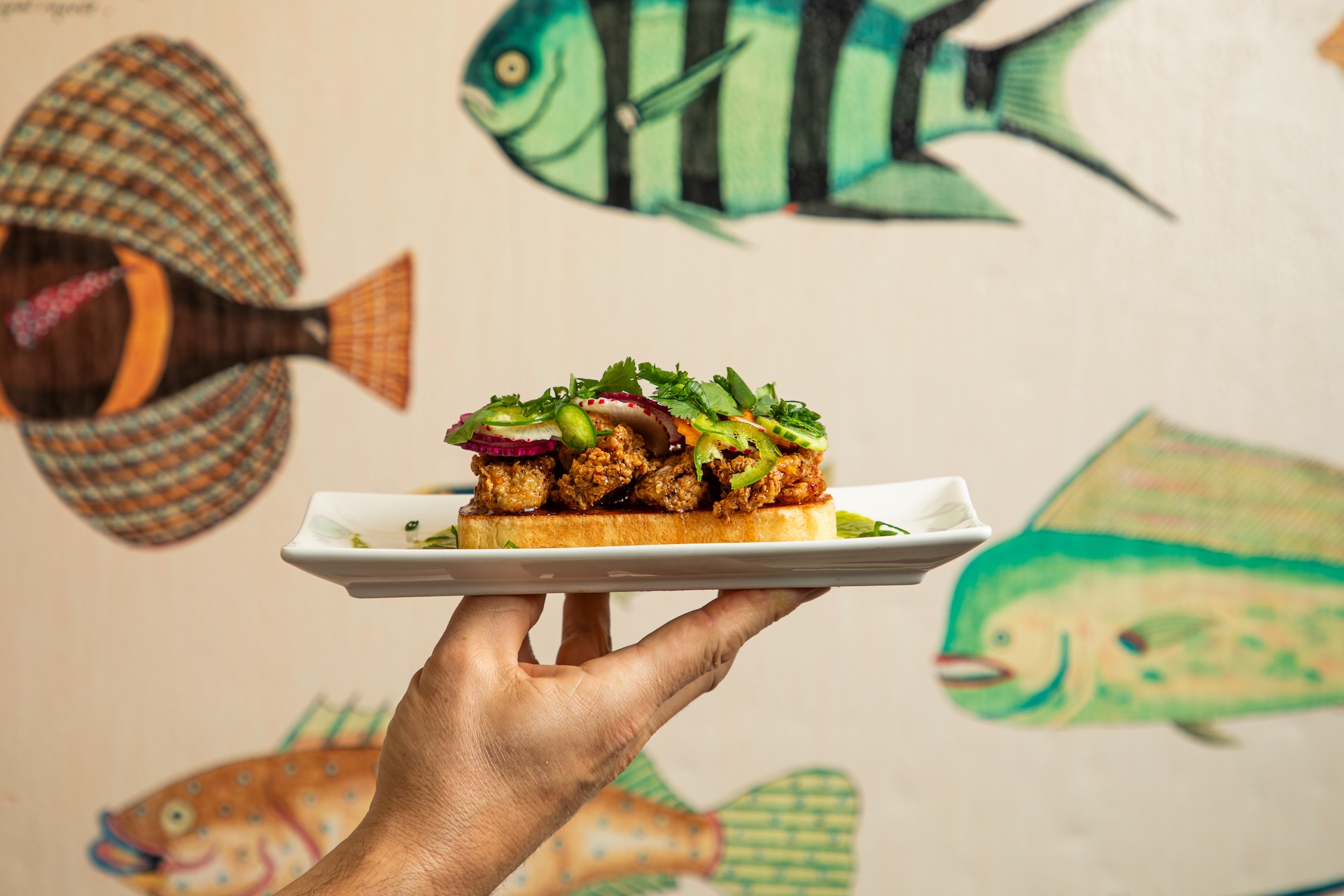
From Oyster Bars to Fish Frys in New Orleans: A Gulf Seafood Primer
A primer on New Orleans seafood, tracing the Gulf’s oysters, shrimp, fish, crab, crawfish and alligator from old oyster bars and neighborhood fish frys to markets, po’boy shops and white-tablecloth restaurants.
Read more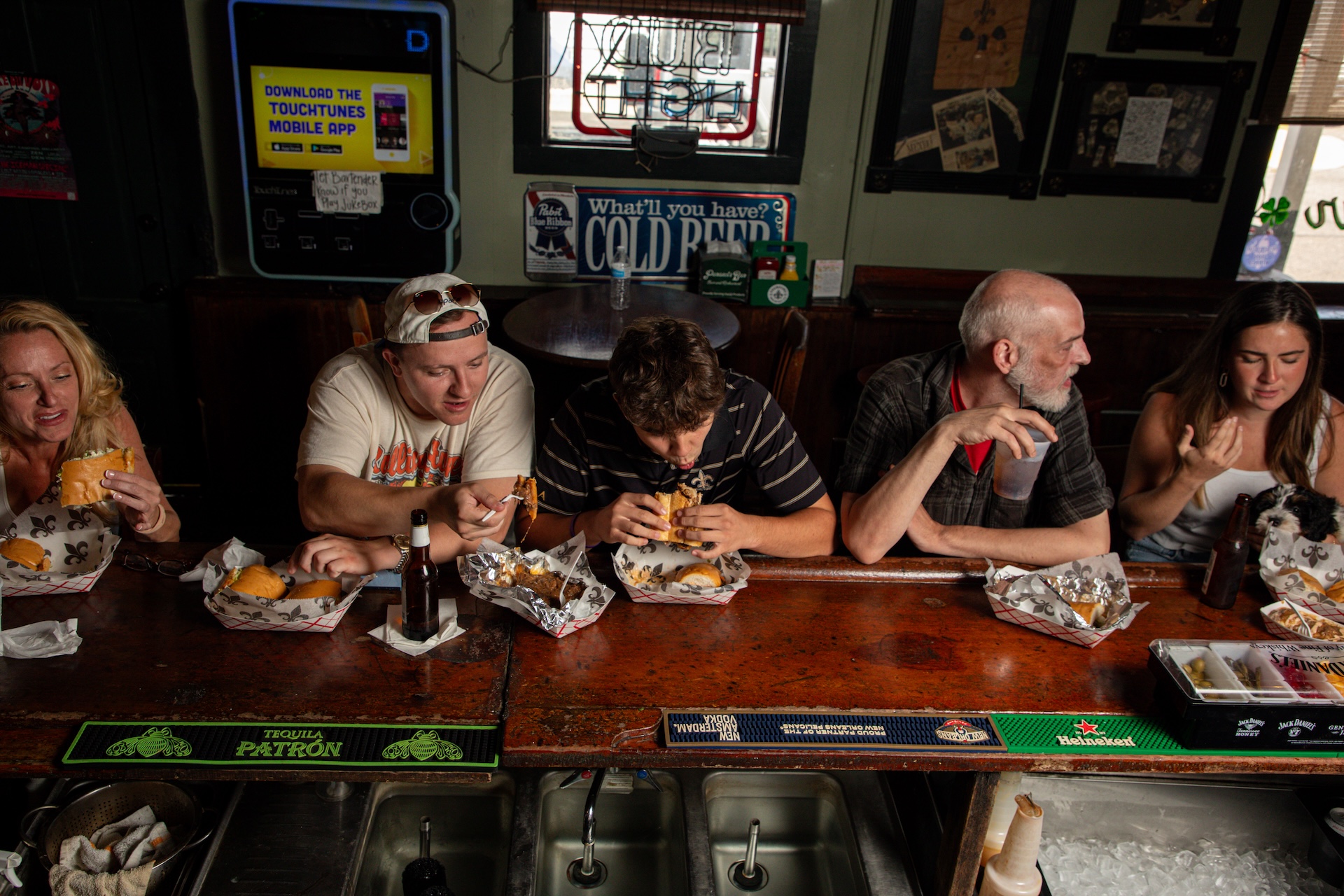
New Orleans
Parasol’s: The Irish Channel’s Last Great Watering Hole
An Irish Channel institution since 1952, Parasol’s Bar and Restaurant nearly closed for good in 2019. Today, the beloved New Orleans watering hole lives on with roast beef po’ boys, neighborhood regulars, and one of the city’s most storied St. Patrick’s Day traditions.
Read more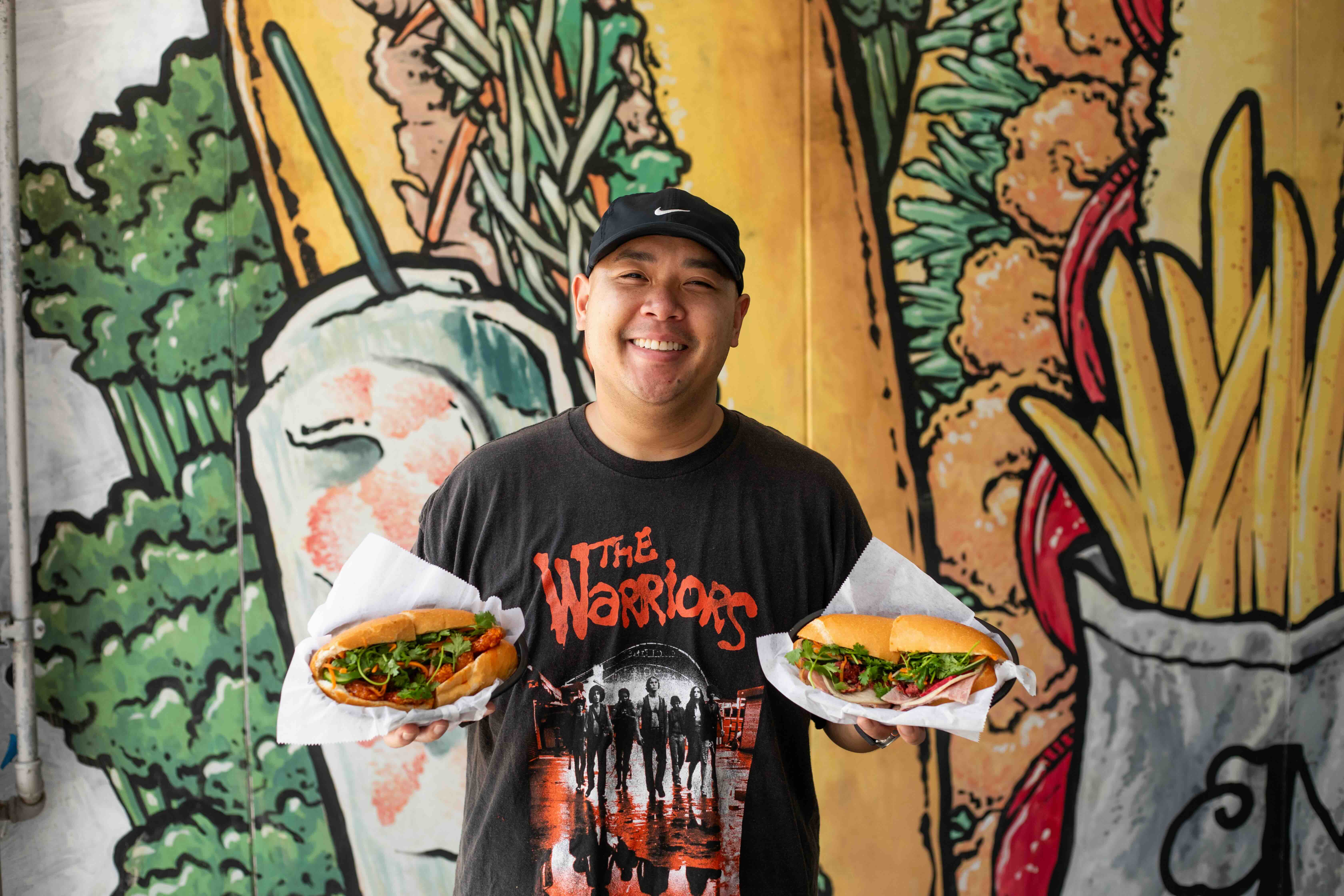
New Orleans
Banh Mi Boys: The Po’ Boy Goes Vietnamese
At Banh Mi Boys, Peter Nguyen brings together two New Orleans sandwich icons: the banh mi and the po’ boy. Inspired by his Vietnamese family’s gas station restaurant and the city’s Viet-Cajun food scene, Nguyen serves classic sandwiches alongside playful mashups like Cajun garlic butter shrimp banh mi and Korean fried chicken.
Read more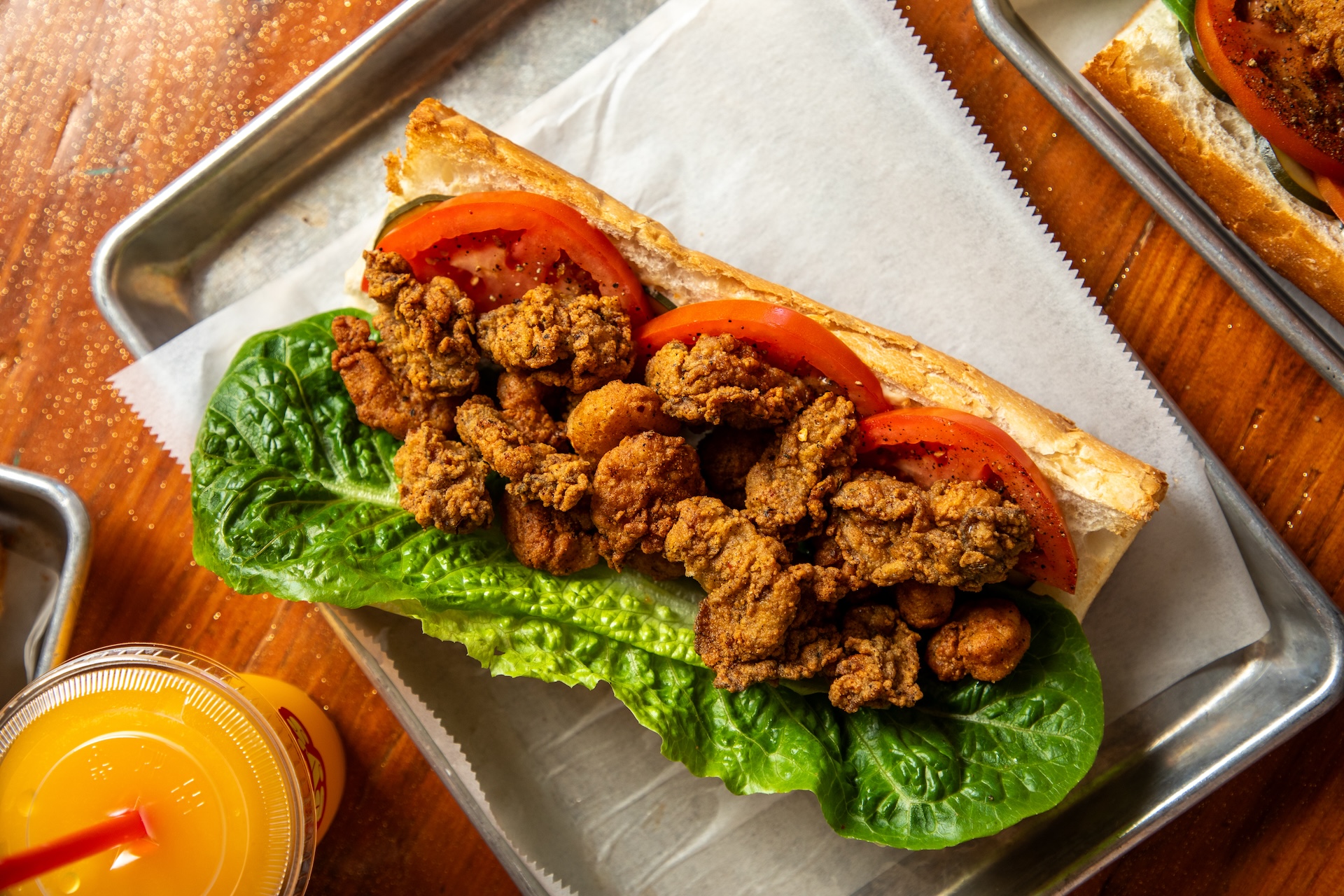
New Orleans
Porgy's Seafood: New Orleans's “Ladymongers”
A female-run seafood market and restaurant in New Orleans making lesser-known Gulf fish approachable through po’ boys, fresh cuts, and direct sourcing from local fishermen.
Read more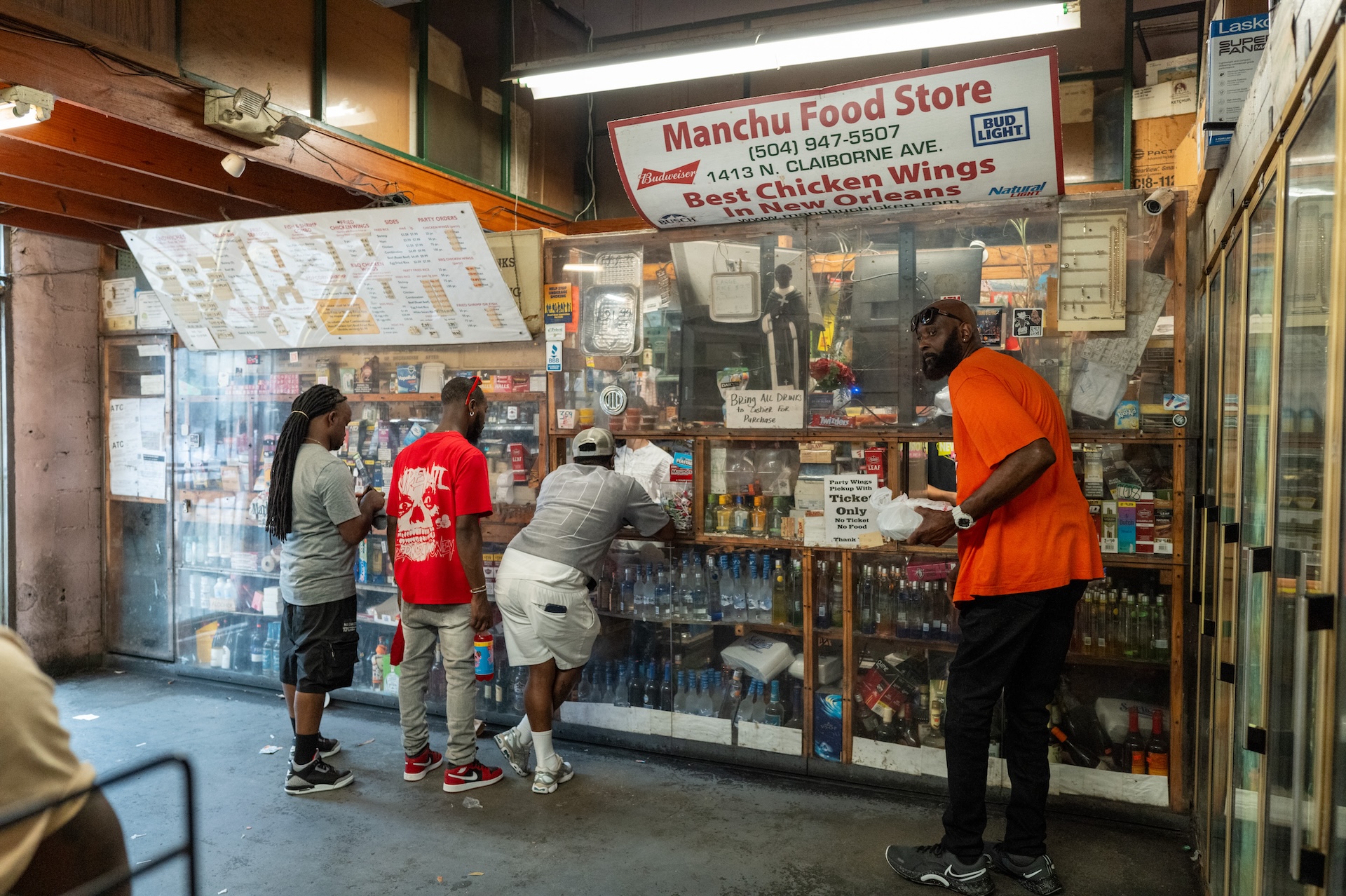
New Orleans
Manchu: More Than Convenient
A purple corner store beneath the Claiborne overpass, Manchu feeds New Orleans far beyond convenience. Famous for its crackly fried chicken, shrimp fried rice, and yaka mein, the Vietnamese-owned staple sits at the crossroads of Tremé and the Seventh Ward, where Asian-Creole cooking, neighborhood ritual, and community care come together, day after day.
Read more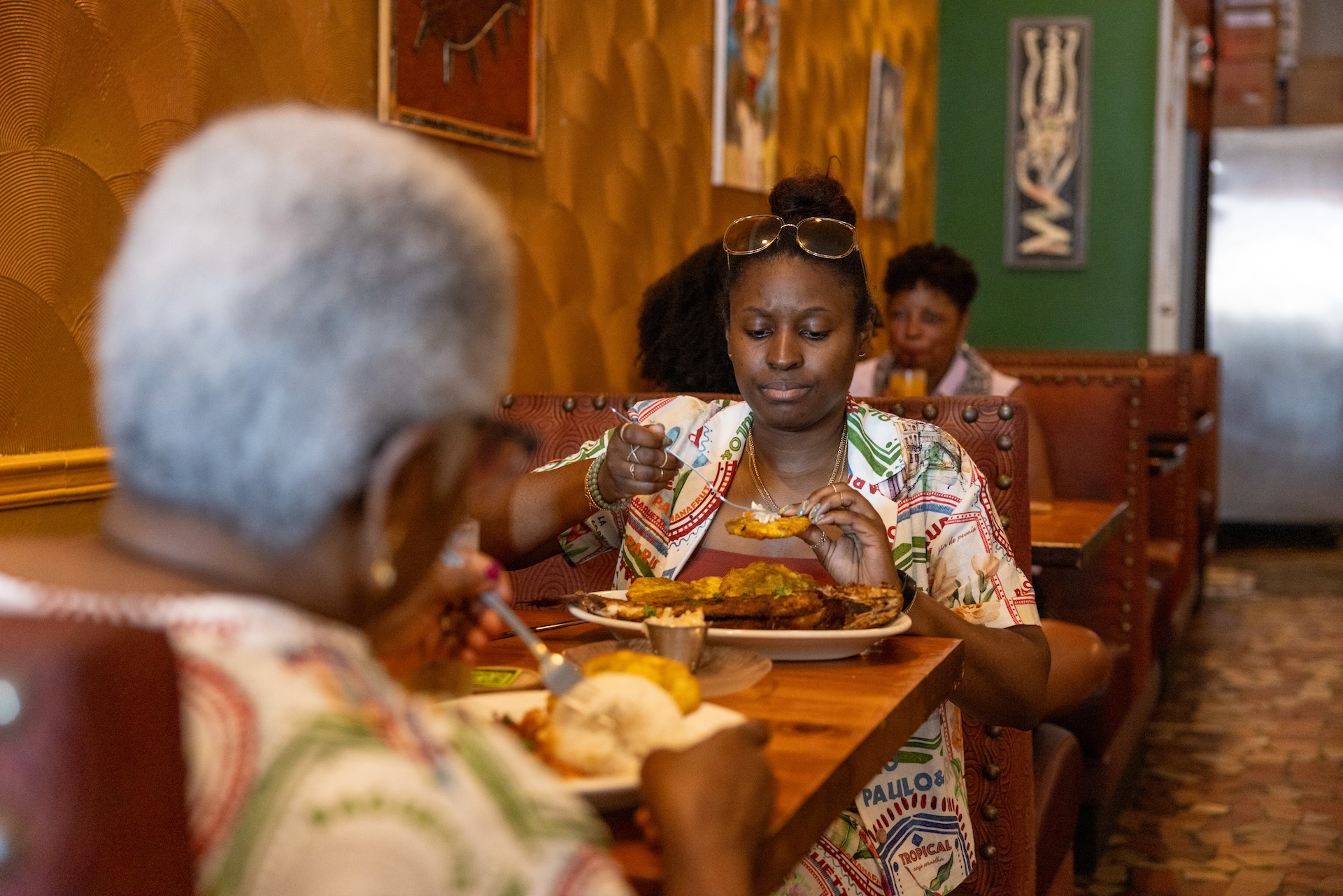
New Orleans
Fritai: Reviving the Haitian Foundation New Orleans Forgot
At Fritai in Tremé, chef Charly Pierre gives long-overdue visibility to the deep culinary ties between Haiti and New Orleans. Through plantains, griyo, epis, and mirliton, the restaurant tells a story of shared history, migration, and flavor — and makes the case for why Haitian food belongs at the center of the city’s table.
Read more
New Orleans
Fit For Mardi Gras: New Orleans’s Most Creative King Cakes
New Orleans’s king cake is a culinary symbol of Mardi Gras and the festive, months-long lead-up known as Carnival season. Beginning on January 6 and continuing until the season’s culmination on Fat Tuesday – this year taking place on March 4 – revelers across the region enjoy slice after slice of this traditional, cinnamon-flavored cake. Whoever finds the small, plastic baby figurine hidden inside is said to receive good luck, but must also purchase the next king cake.
Read more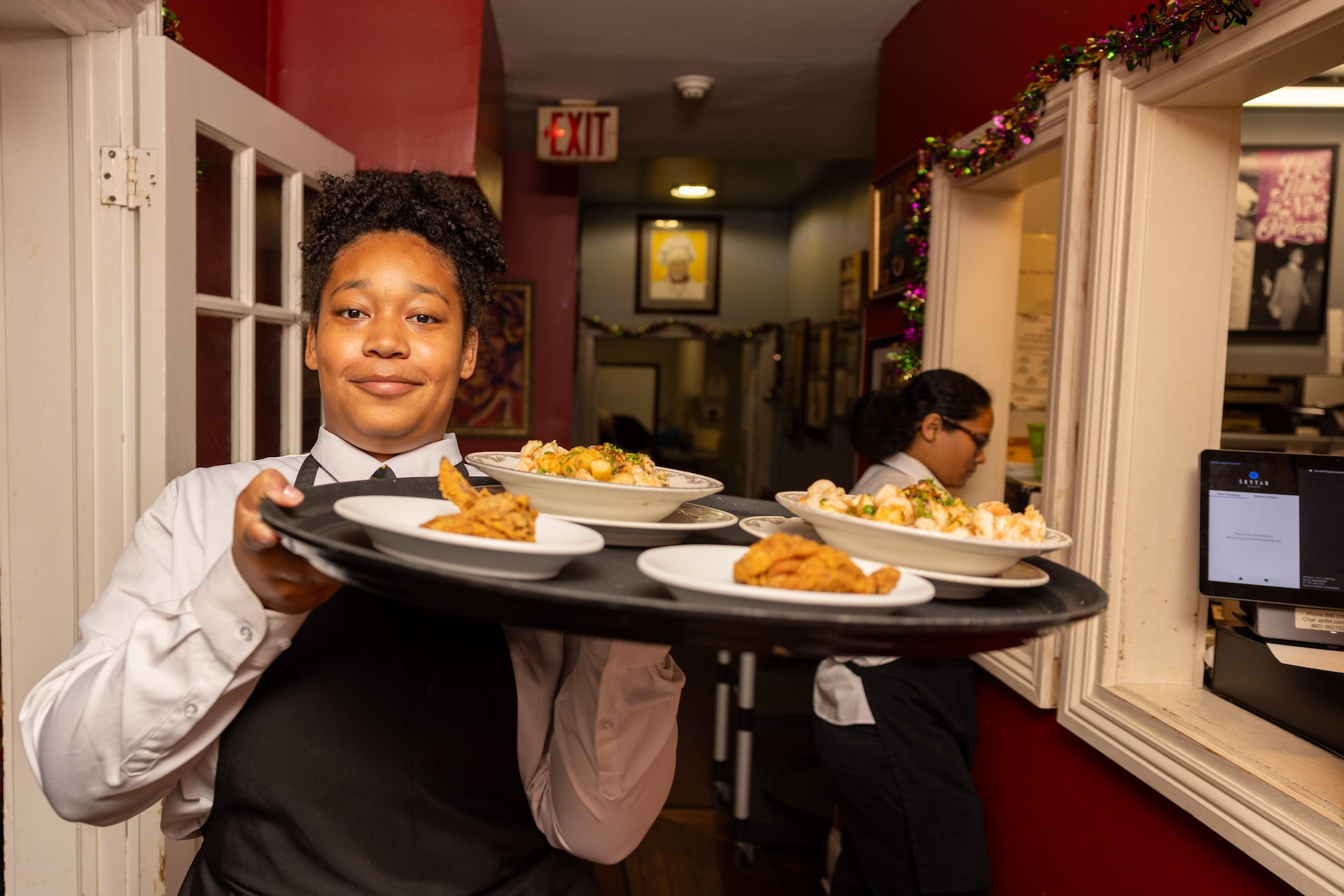
New Orleans
Dooky Chase: A Century of Black Legacy – and Taste
Step into Dooky Chase Restaurant, where gumbo fed Civil Rights leaders, art lines the walls like a living archive, and Leah Chase’s Creole cooking still anchors the Tremé. A Carnival-season visit reveals how one dining room shaped American history, one bowl at a time.
Read more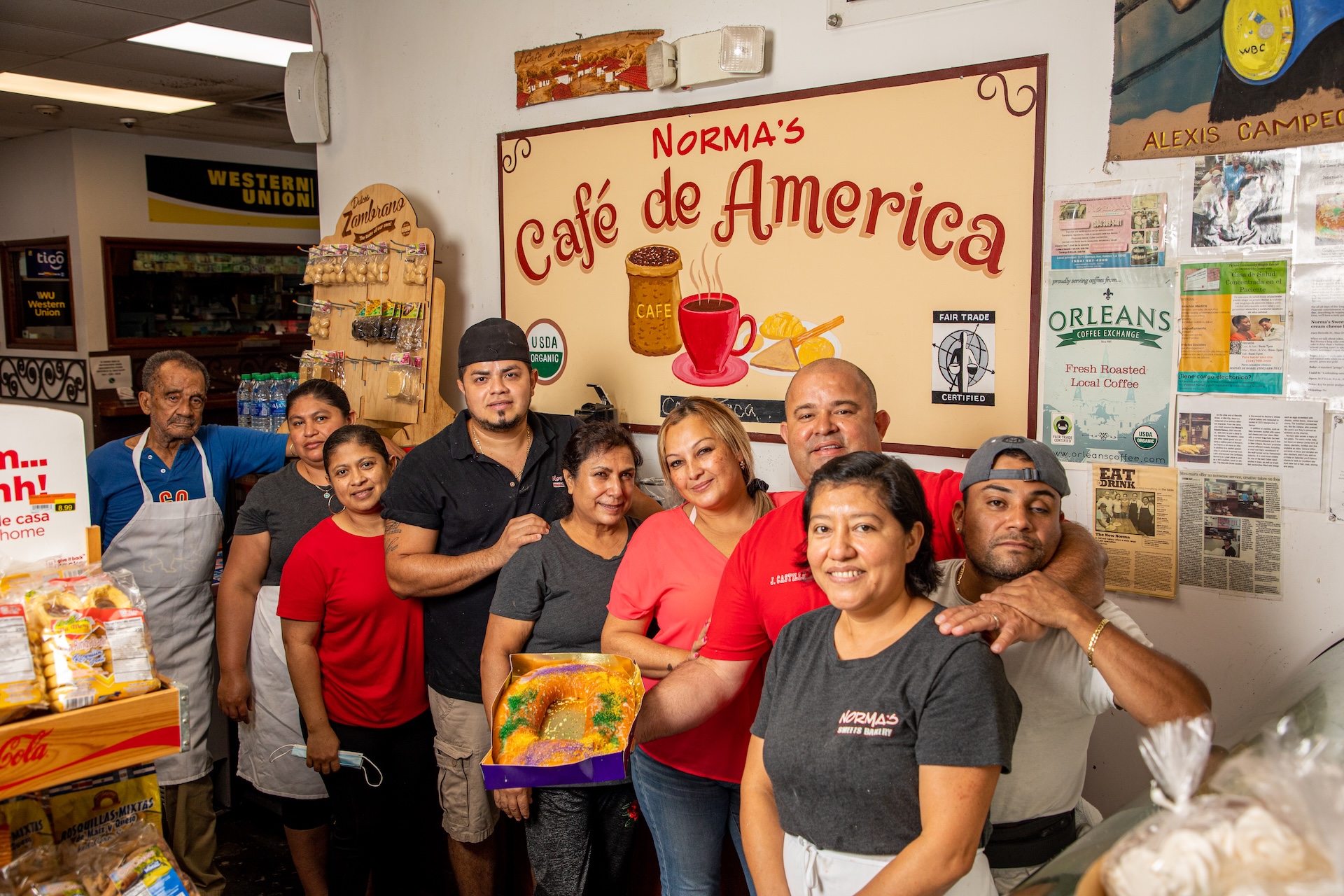
New Orleans
Norma's Sweets Bakery: New Orleans’s First Honduran King Cake
Every king cake has a story, and some bakers choose to weave a part of their personal journey into the ones they serve in the months and weeks leading up to Mardi Gras. Norma’s Sweets Bakery is one example of this culinary storytelling. Across its two locations – one in the Kenner suburb and a second in New Orleans’ Mid-City – the Castillo family has baked their Honduran immigrant heritage into a new Carnival staple.
Read more
New Orleans
Fall Recipes: Jambalaya, a Staple of the (Football) Season
Jambalaya, the rice dish that stands at the crossroads of culture and cuisine, is a staple of celebration, mourning and everything in between in Louisiana. From tailgates to Mardi Gras to repasts and backyard cookouts, it is a ubiquitous food that can be a main or a side dish. The roots of the dish can be traced to West African jollof rice, as well as Spanish paella. At its essence, jambalaya is an odds-and-ends dish that feeds a multitude, a humble rice dish with some meat and/or seafood cooked into it by way of a flavorful broth. As for the origins of the name jambalaya, there are as many theories as the grains of rice contained within. Some believe it to come from the Provençal word jambalaia, which means a mishmash.
Read more
New Orleans
Frady’s: One-Stop Po’boy Shop
Kirk and Kerry, brother and sister, are the heart and soul of Frady’s One Stop Food Store, a Bywater neighborhood institution that has been around in some shape or form since 1889. After a typically busy lunch rush, the duo sit at a table outside the yellow-painted shop, watching over their quiet corner of New Orleans. They shout hello to an older neighbor as he totters by. Kerry notices his limp and asks Kirk about it.
Read more
New Orleans
R&O’s: The Power of the Po’boy
When longtime locals discuss contenders for “best all-around po’boy shop in all of New Orleans,” R&O’s is usually an integral part of the conversation. Fans of the stalwart seafood house located a literal stone’s throw from Lake Pontchartrain will wax poetic about a wide variety of the menu’s delectable standouts – Italian salads studded with tangy chopped giardiniera, oversized stuffed artichokes, seasonal boiled seafoods – before they even start talking po’boys. However, once the conversation turns to the city’s signature long-sandwich, the accolades come in fast and strong. Want a classic shrimp, oyster or soft-shell crab po’boy? They’ll arrive overstuffed, crunchy and fried to juicy perfection.
Read more


Daily Dispatches from the Frontlines of New Orleans
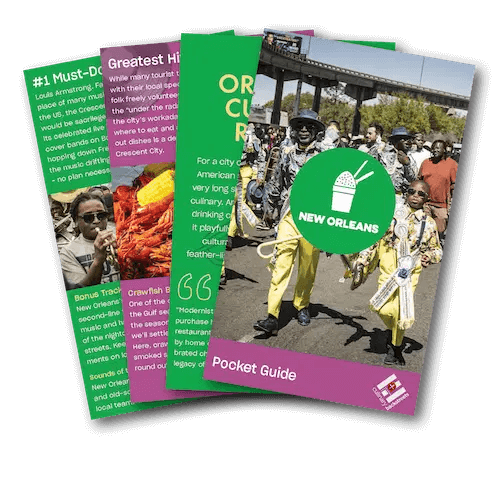
Get Your Free New Orleans Pocket Guide
Introducing our pocket-sized New Orleans guide — perfect for your next culinary adventure. Yours free when you sign up for our newsletter.
Get Your Free New Orleans Pocket Guide
Introducing our pocket-sized New Orleans guide — perfect for your next culinary adventure. Yours free when you sign up for our newsletter.
Your trips, powered by our picks
Curated New Orleans Travel Boards


Visual Dispatches from the Frontlines of Local Eating

New Orleans Food Tour with Culinary Backstreets
Culinary Backstreets® Envoys, Always Searching for the Next Hidden Gem

Kelly
New Orleans Tour Leader

Matt
New Orleans Correspondent
Your Questions, Answered
New Orleans is a city in the state of Louisiana in the American South. It is located between the Mississippi River and Lake Pontchartrain, near the Gulf of Mexico. It is the most populous city in the state. It was once the capital of French Louisiana before the Louisiana Purchase in 1803.
New Orleans is famous for its gastronomical culture, night life, music, festivals and of course, Mardi Gras. Our most famous tourist attractions are the St. Charles Avenue Streetcar, St. Louis Cathedral, Jackson Square, Bourbon Street and Café du Monde, which are all within the Vieux Carre, the “Old City” or French Quarter. New Orleans is far more than this, however.
A number of neighborhoods are a tapestry of sights, sounds and tastes that are unlike anywhere else in the United States. Our Creole cuisine, represented in dishes like gumbo and crawfish etouffée, grits and grillades, po’ boys and muffulettas, and pho and banh mi, tell the history of the people who have made New Orleans home throughout its 300 plus years of existence. Our lush parks, such as Audubon Park and City Park, provide ample spaces for relaxation, reflection, and exercise. Live music is a way of life in New Orleans. We are the birthplace of both Jazz and Rock and Roll. Live Music can be heard throughout the city, from the Maple Leaf Bar or Tipitina’s uptown, to Frenchmen Street in the Marigny, with its strip of live Music venues. And of course, we are renowned for Mardi Gras, which we call “the best free party in the world.” In addition, our food and music festivals, such as French Quarter Fest, Jazz Fest, Satchmo Summer Fest, and others, bring out locals and visitors from around the world to experience America’s most unique city, with an Afro-Caribbean vibe found nowhere else.
New Orleanians are some of the warmest, most hospitable and embracing people in the world, but endemic poverty contributes to the higher rate of crime here compared to other American cities. Our city thrives on tourism, but it is best to take the same precautions as you would in other major cities.
For food, the French Quarter is convenient but touristy, better to stay in the Marigny, Bywater, or Uptown (Magazine Street corridor) if you want walkable local eating. Central Business District (CBD) works for business travelers with a car.
The New Orleans climate is subtropical, and the most pleasant time of year to visit is from October to May. This time of year is ideal not only because of the weather, but because of the range of activities available. New Orleans is crazy about American football, and the hometown New Orleans Saints are followed with a religious frenzy. Catching a Saints game at the Super Dome is about as New Orleans as it gets. New Orleans also puts on for the holiday season, and from Thanksgiving through the New Year the city comes alive with lights and festivities. This is the time of year to dine at one of the Reveillon dinners that happen throughout the city. This multi-course dinner was originally held after Catholic midnight mass on Christmas Eve, but now occurs throughout the Christmas season. On January 6, the twelve days of Christmas end and Mardi Gras begins. While Mardi Gras Day, or Fat Tuesday, is the culmination of the revelry, the Carnival season runs from Twelfth Night until early February or sometimes early March, depending on the Catholic calendar. And as winter gives way to spring, festivals season begins, with world classic music and food and fun.
For visitors, New Orleans is still less expensive than other destination cities. While our economy is tourist based, once you venture outside the French Quarter and into the neighborhoods of the city, local restaurants, bars and clubs can still be found that offer $10 po’boys and $3 dollar beers. National chains are the exception here, not the rule, so expect good value from local establishments.
New Orleanians love to argue about food. Behind the Saints, it is our number one sport. While New Orleans has many iconic foods, gumbo is the food we are most closely associated with. Gumbo is the quintessential example of the Creolized foodways of New Orleans. African, Caribbean, Indigenous, French, Spanish and Italian influences can all be seen in various iterations of the dish.
Not quite soup, but not stew either, New Orleans gumbo at its essence is a roux thickened broth spiked with local ingredients. What the ingredients are, the consistency of the gumbo, the darkness of the roux, tomatoes, or no tomatoes, filé or okra, are all points of contention. The dish typically begins with a roux of flour and fat, cooked to a desired degree of doneness, from a peanut butter to a dark chocolate color, although there are variations on this too. From there the, our holy trinity of onions, bell peppers and celery are added, as well as garlic and creole seasoning, which typically consists of salt, black, white and cayenne pepper, garlic powder and onion powder. Herbs are also added at this time. The stock used in gumbo can be seafood, chicken, or a mix of both. Chicken and sausage gumbo, usually made with a dark roux, is the most basic version of the dish. Creole gumbo, with its rich shellfish stock, can contain chicken, ham, gizzards, shrimp, crab, hot sausage (chaurice) and smoked sausage. It may contain filé powder (a thickener made from ground sassafras roots), okra, or sometimes both (although not typically).
In addition to gumbo, not to be missed New Orleans foods are po’ boy sandwiches, which are typically filled with fried seafood, roast beef, hot sausage or ham and cheese; beignets, a fried French-style doughnut; chicory spiked café au lait coffee; Creole fried chicken; and Vietnamese offerings such as pho and banh mi.
New Orleans’ Louis Armstrong International Airport (MSY) is accessible by direct flights from most national and international airports. The best way to travel to and from the airport is via airport shuttle, taxi, Uber or Lyft. The airport is located approximate 20-30 minutes from the city center. It is recommended to arrive at the airport two hours before a departing flight.
While often thought of as an adults’ playground, New Orleans is a great city for children. The Audubon Institute runs a world-class zoo, aquarium and insectarium with a focus on programming for kids. The Children’s Museum in City Park is filled with exhibits to captivate young minds. Our parks, playgrounds and bike paths provide ample opportunities for play and exercise. For families with very young children, New Orleans can be challenging. Our streets and sidewalks are generally not stroller friendly, and the heat can be overwhelming at times. With proper planning, however, the city is a joy for children.
New Orleans is a subtropical climate, and in the winter, nights can get as cold as 32 F, and in the summer over 100. The winter months usually average in the mid-50s to low 60s, but it is not unusual to see days in the 70s and 80s during this time. February and October are the driest months of the year, while June through August are typically the wettest. Rain is a frequent occurrence in New Orleans, and overall the humidity is generally high here. Our most pressing threat are hurricanes, and hurricane season begins on June 1 and ends November 30, with August and September being the most active months. When visiting New Orleans, rain boots and an umbrella are advised. During the winter, a warm coat is recommended, and during the summer, cool, breathable clothes, a hat and sunscreen.
The closest beach to New Orleans is in Bay St. Louis, Mississippi, about an hour drive away.
Culinary Backstreets runs one food tour in New Orleans, The Creole Connection: Gumbo and Beyond in New Orleans. It's a full-day walk covering the neighborhoods where creole cooking actually lives (well beyond Bourbon Street), tracing gumbo, po' boys, Vietnamese-Cajun crossovers, and old-line creole spots, led by a resident food writer.
Gumbo (roux-based, ideally at a plate-lunch spot), po' boy (shrimp or roast beef, always dressed), jambalaya, red beans and rice (Mondays), crawfish étouffée, beignets at Café du Monde or Cafe Beignet, muffuletta from Central Grocery, and Vietnamese banh mi at Dong Phuong.
Four days. One for the classics (Willie Mae's, Coop's, Cochon, Domilise's), one for creole fine dining (Commander's Palace, Herbsaint, Compère Lapin), one for Vietnamese New Orleans (Dong Phuong, Pho Tau Bay, and the New Orleans East Vietnamese strip), one for jazz brunch and a swamp or plantation day trip.
Bywater and Marigny for young chefs and neighborhood po' boys. Uptown and Magazine Street for classic New Orleans dining. Tremé for creole and gumbo. Mid-City for casual local. New Orleans East for the Vietnamese scene.
All three. Solo travelers can eat well at any po' boy shop counter and get folded into a bar conversation within minutes. Families do well at plate-lunch spots and jazz brunch, though noise levels get high after 8 p.m. Groups of four to eight are ideal for a creole feast at Commander's Palace or a Bywater dinner-and-drinks crawl.
Crawfish season (February to May) is the peak, outdoor boils, mudbugs everywhere. Jazz Fest (late April, early May) doubles as a food festival. Avoid Mardi Gras weekend for restaurants, reservations are impossible and the city is not thinking about food.
New Orleans is home to some of the best restaurants in the United States, and is known for our unique Creole culinary viewpoint. Fine dining establishments such as Coquette, Commander’s Palace, Galatoire’s and Restaurant Revolution sit at the high end of the spectrum, joining neighborhood favorites like Dooky Chase’s Restaurant, Clancy’s, Patois, The Franklin, and Gabrielle. But above New Orleans is a city of joints, and most memorable meals are often found in the most unassuming places. Liuzza’s by the Track, tucked away by the Fairgrounds, serves a memorable Creole gumbo and a divine BBQ shrimp po-boy. Dong Phuong Restaurant, in New Orleans East, serves a full repertoire of traditional Vietnamese dishes. Mandina’s, in Mid-City, is the classic Creole Italian joint. And Zimmer’s deep in Gentilly, serves fried seafood po’ boys that are worth the drive.
For breakfast or brunch, decadent favorites like Brennan’s, Surrey’s and Elizabeth’s as well as newcomers like Toast, are solid, and our go-to is Buffa’s. You can grab a quick bite at Bywater Bakery and soul food at Two Sistas ‘N Da East, or drive up for a crawfish boil at NOLA Crawfish King.