S M B O measurement-vertical measurement-vertical

Latest Stories, Bangkok

On Lok Yun: Breakfast in Bangkok, Unchanged Featured Image

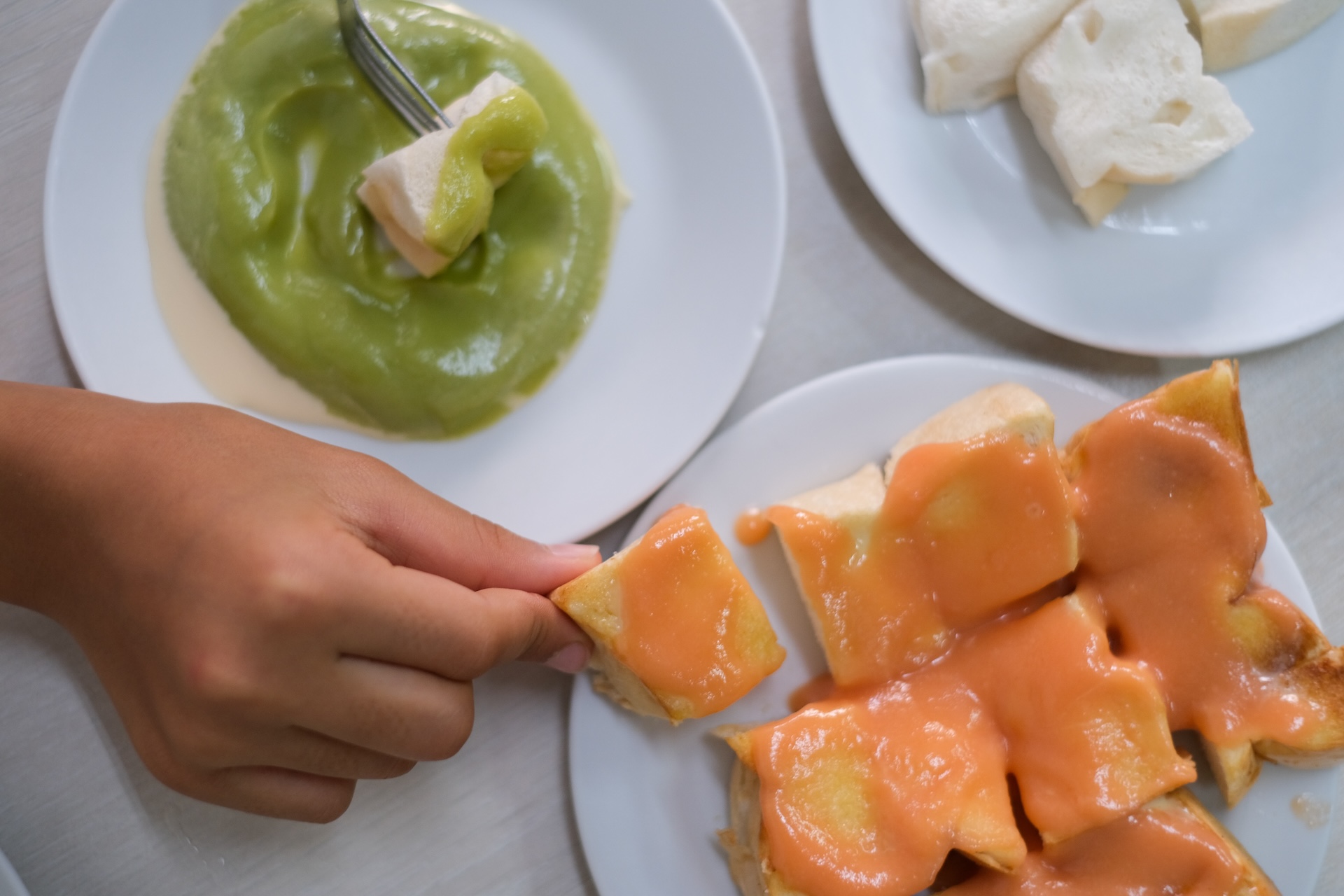
A nearly century-old Bangkok coffee shop where Thai-style Western breakfasts, kaya custard, and hand-written receipts keep the city’s old morning rhythms alive.

Elvis Suki: The King of Thai Sukiyaki Featured Image

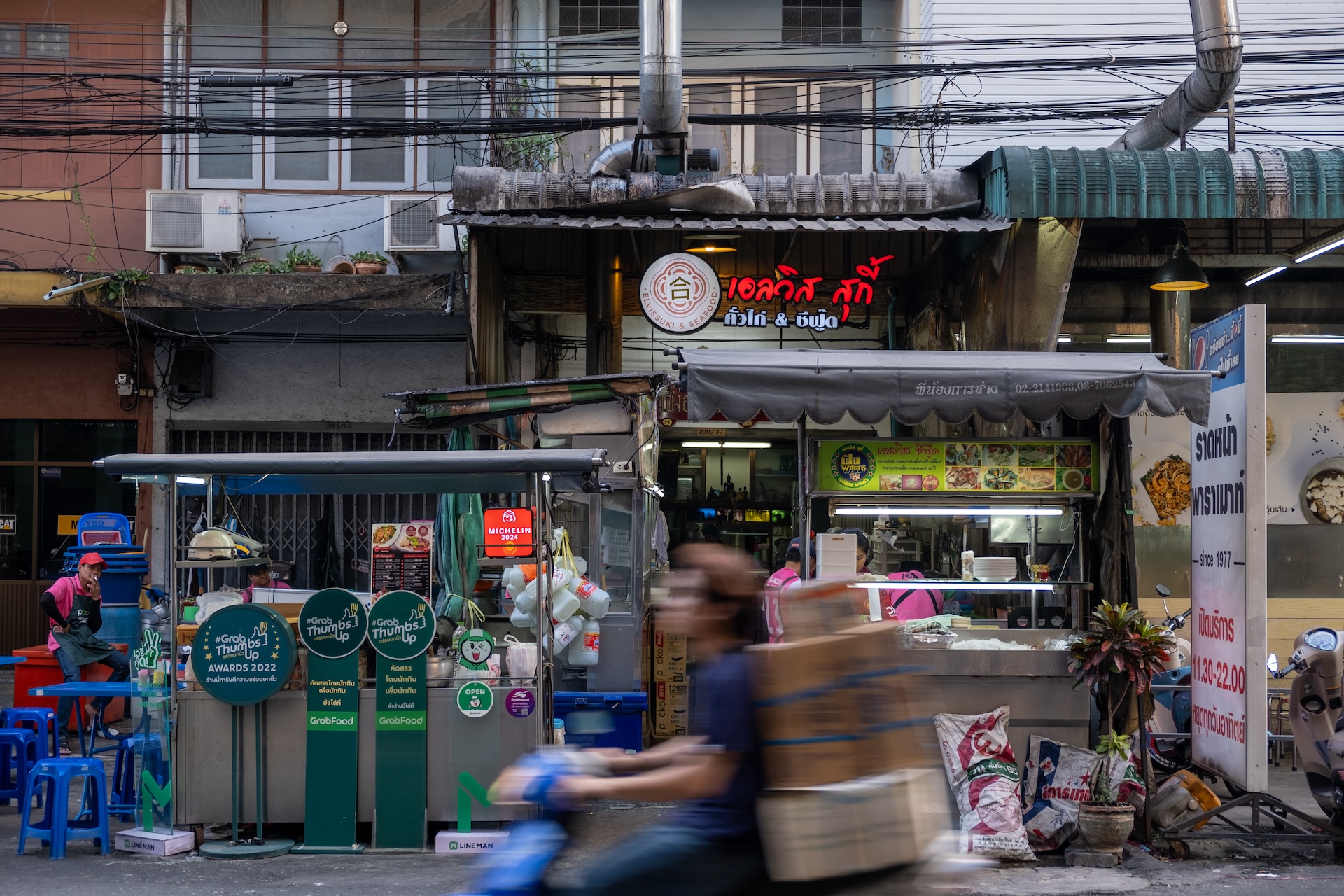
A Bangkok street food institution where smoky Thai suki, grilled scallops, and banana leaf-wrapped sea bass draw crowds to an alleyway original near Chinatown.

Siang Ki Khao Tom Pla: Bangkok’s Nearly Century-Old Soup Shop Featured Image

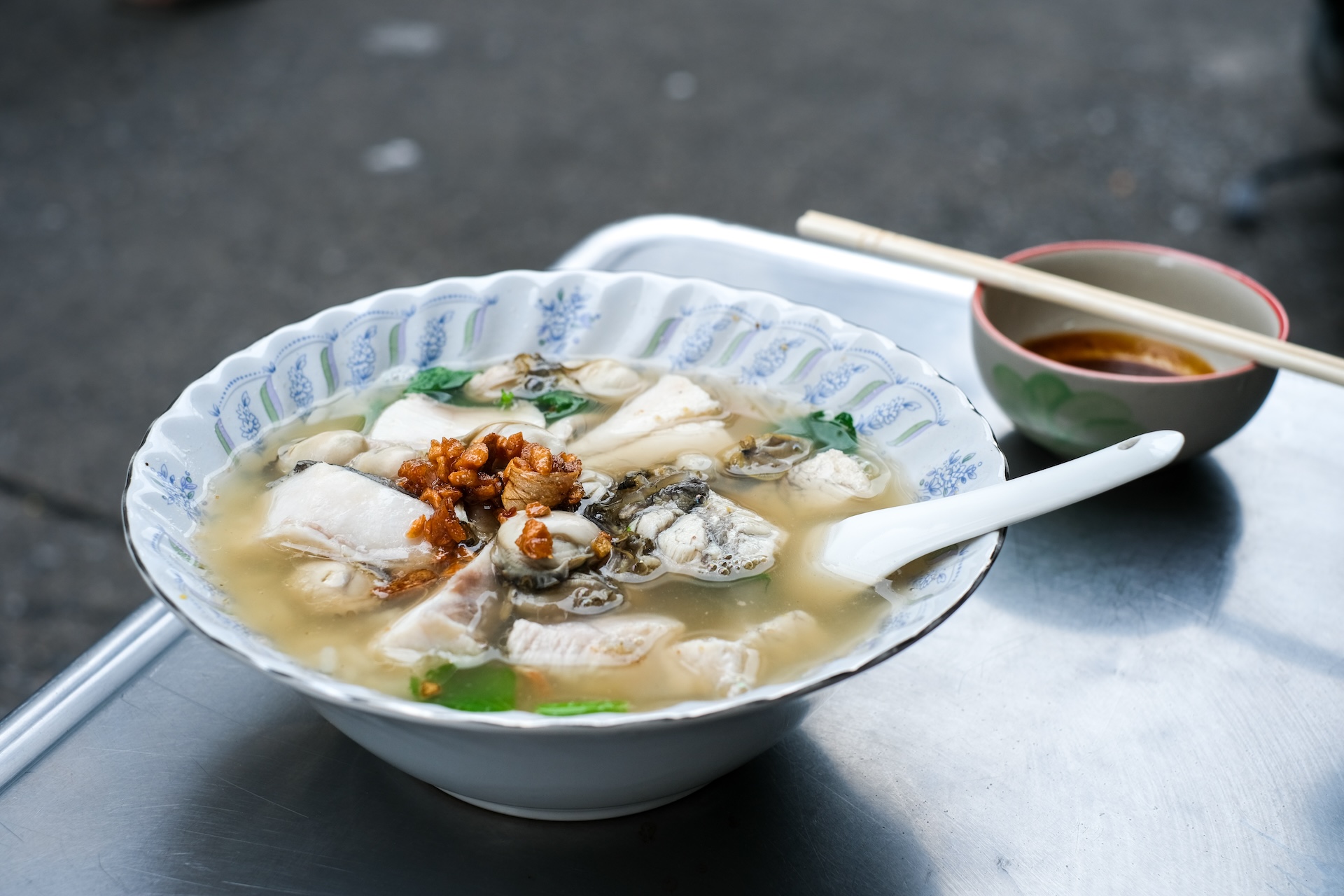
A nearly century-old Chinatown shop serving Teochew-style fish rice soup with pomfret, oysters, seabass, smoky broth, and a fermented soybean dipping sauce.

Guaythiew Pik Gai Sainampung: A Taste of Old Sukhumvit Featured Image

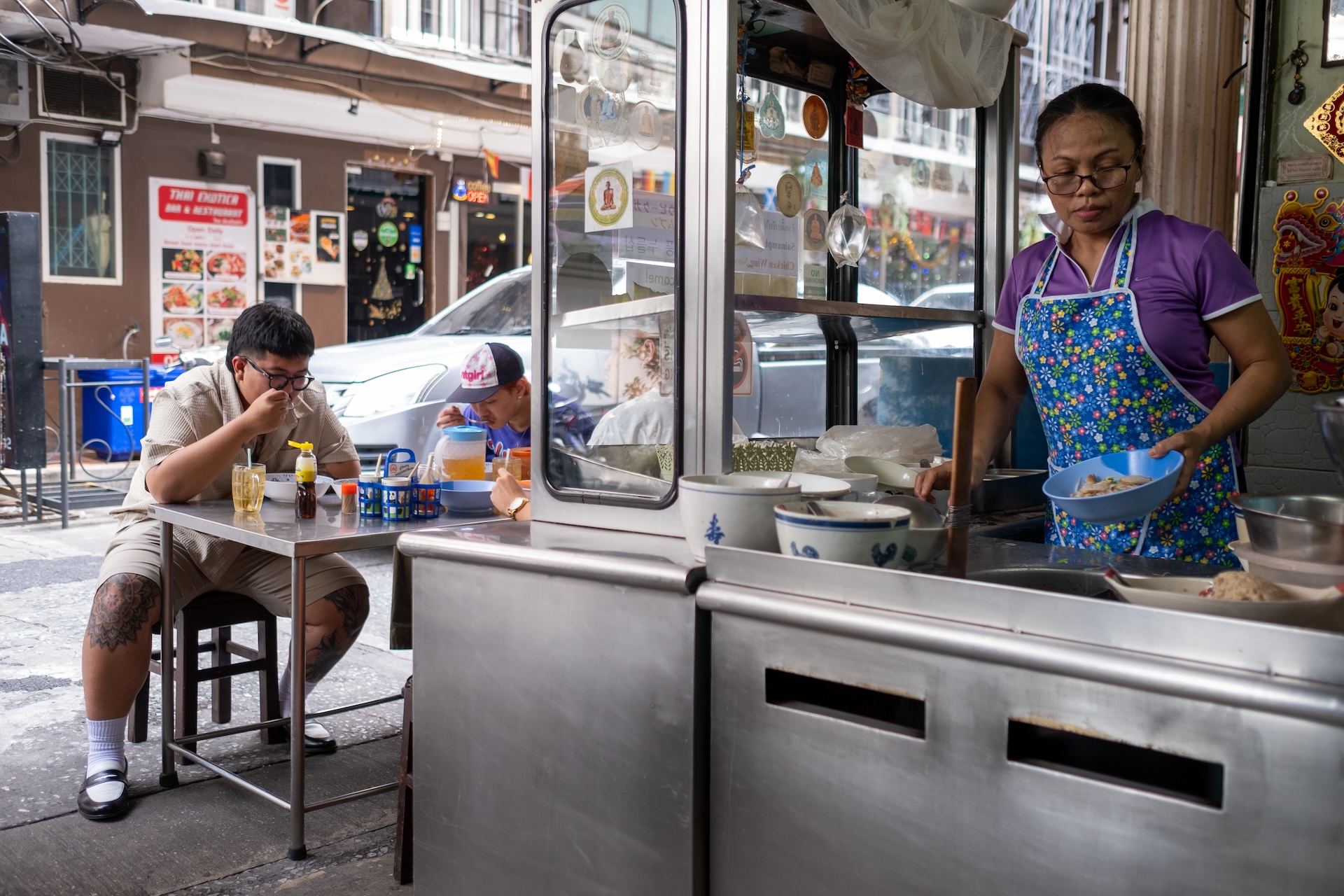
A humble family-run shophouse in Sukhumvit, known for chicken wing noodles, fragrant broth, and a lasting sense of old Bangkok.

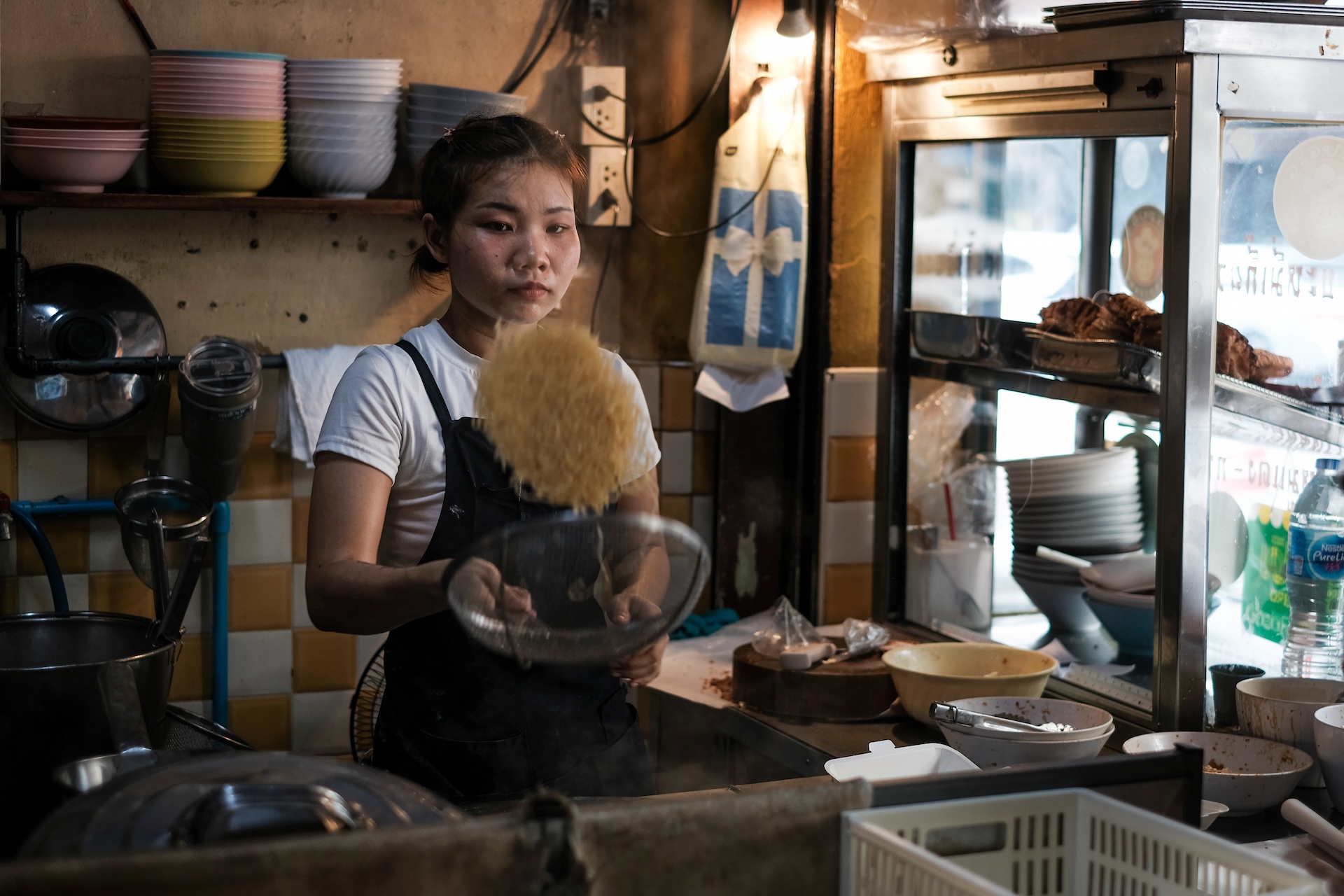
Flipping noodles at Hom Dee Noodles, Bangkok, photo by Thomas De Cian

A Chinatown-adjacent noodle shop known for springy egg noodles, crispy pork belly, BBQ pork, wontons, and balanced bowls.

The Original Mae On’s: Where Curry on Rice Still Rules  Featured Image

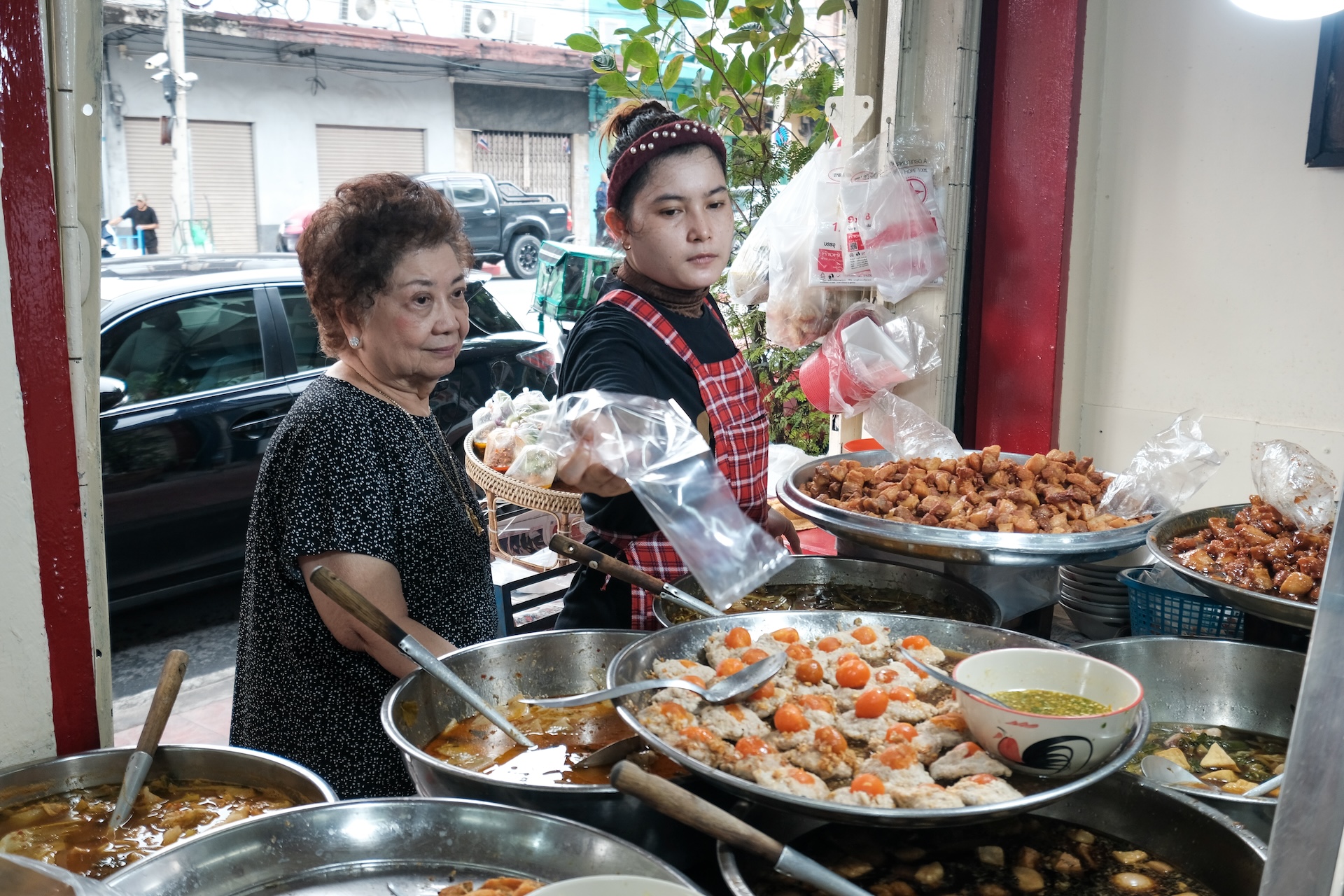
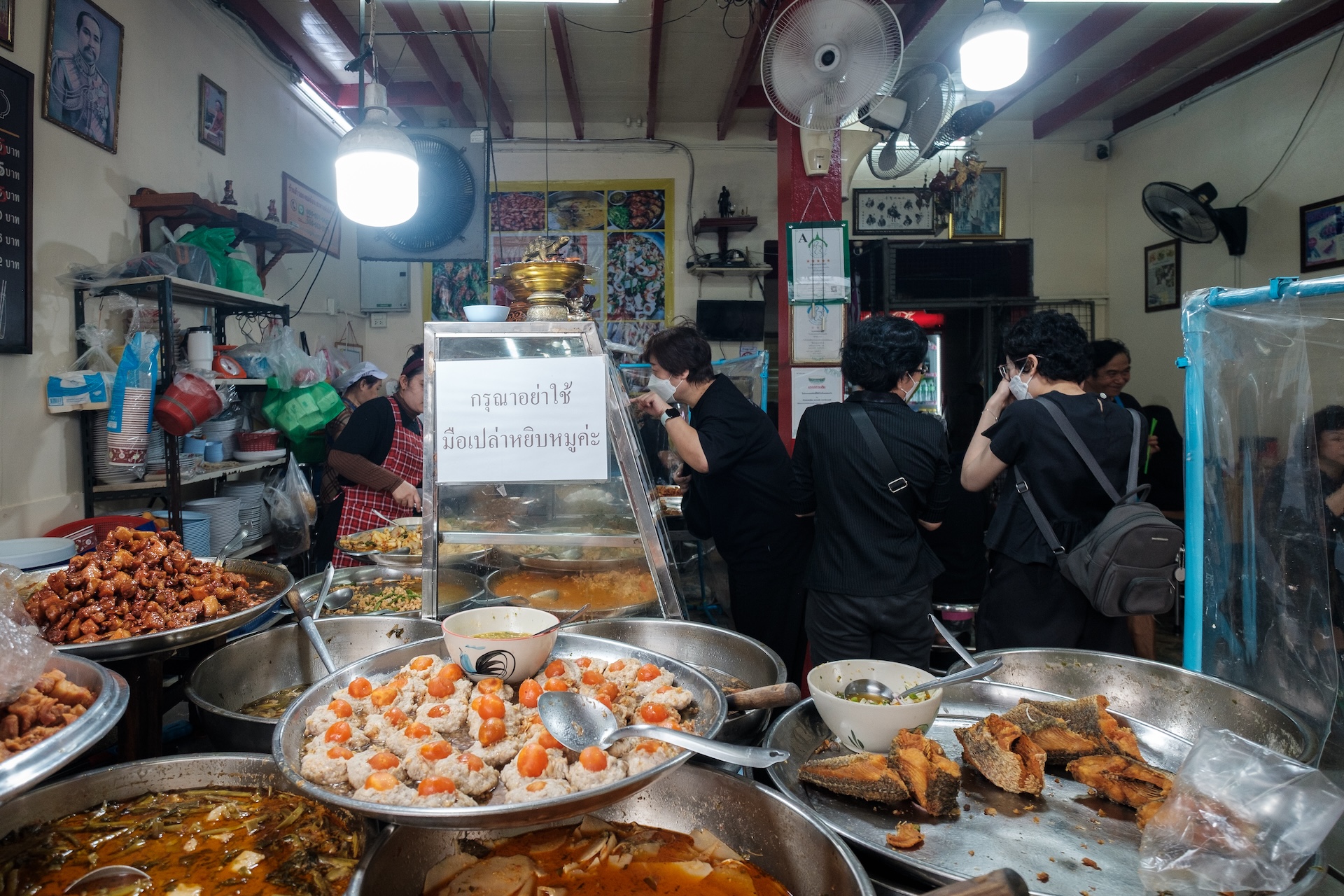
A long-running Bangkok khao geang shop in Saphan Han where silver trays of curries and sides keep regulars coming back for breakfast and lunch.

Local Eats: Nai Mong Hoy Tod’s Sizzling Oyster Omelettes Featured Image

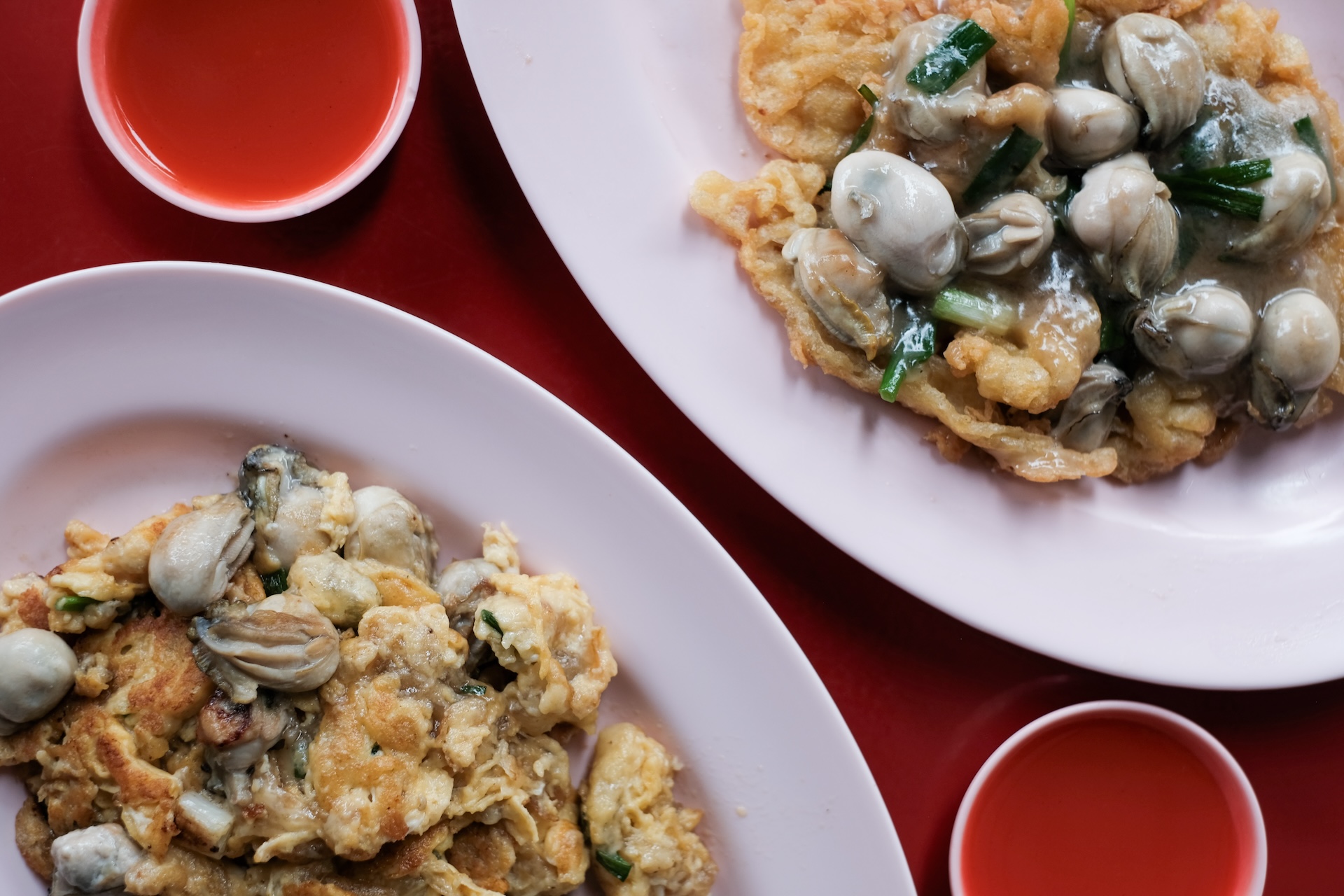
A longtime Chinatown favorite, Nai Mong Hoy Tod focuses on one thing above all: expertly cooked oyster omelettes with a crisp edge, tender center and the unmistakable richness of lard and charcoal heat.

Amin Mutton & Chicken Biryani, Bangkok, photo by Thomas de Cian

Bangkok’s bustiling energy is largely attributed to the endless latticework of diverse food found along street corners or tucked away in high rises – a unique culinary world reflects the city’s rich multicultural heritage. One street stall in particular, Amin Mutton & Chicken Biryani, embodies the soul of Bangkok’s Thai-Muslim community and carries nearly a century-old legacy. For generations, an iconic eatery simply named Muslim Restaurant served as a culinary institution, gathering local families, neighboring students, and the Muslim community around tables filled with humble dishes. Its closure in 2020 left a void in the community, but not long after, a few former staff members took it upon themselves to keep the legacy alive.

The Original Mae On’s Curry rice stall has been a Chinatown favorite for over 50 years, Bangkok, photo by Thomas De Cian

Asia fed us well this year, with some of the most interesting foods coming from small rooms and backstreets. These weren’t the dishes anyone expected, but the ones that stayed in mind long after they were eaten.

The Essentials: Where To Eat in Bangkok, Thailand Featured Image

Discover the best restaurants in Bangkok through a local lens, from century-old shophouses serving timeless noodles to modern chef’s tables redefining Thai cooking. This guide highlights essential spots across the city.

Pad Thai and Beyond

The vast majority of the food in Bangkok is, without a doubt, Thai. But peek under the hood and you’ll find ingredients, cooking techniques, and dishes that can be traced back to places far beyond Thailand. Influences brought by Chinese immigrants – namely Hokkien, Hakka, and Teochew people – have done the most to shape food in Bangkok. Immigration from the Muslim world has also had a massive impact on the city’s cuisine. And even contact with Europeans has come to shape Thai food. The result of all this is the fascinating, delicious jumble of ingredients, cooking techniques, dishes, and influences that today we recognize as Thai food.

Recipe: Phat Phak Bung Fai Daeng, Flash-Fried Morning Glory Featured Image

A Bangkok street food staple, phat phak bung fai daeng (flash-fried morning glory) delivers fiery garlic-chili heat in under two minutes. Crisp greens, wok smoke, and a splash of oyster sauce make this simple stir-fry one of Thailand’s most beloved everyday meals.

Recipe

Ask anyone who has been in Thailand for a while what its national dish is, and they will invariably say pad kaprao. People like to think of pad Thai or green curry or spicy lemongrass soup as ubiquitous dishes in Thailand, but it’s really this holy basil stir-fry that millions of Thais eat every day, all over the country. Pad kaprao – which is most often made with pork, beef, or chicken – is a ubiquitous sight on office workers’ desks at lunchtime, as an accompaniment to a cold mug of beer in the evening, and can even be spotted streetside for breakfast. Every aharn tham sung (“made to order”) vendor serves it, and such is its unique mix of garlicky heat with meaty umami that makes for a delicious dish nearly anywhere you try it.

Saow noodle soup, Bangkok,  photo by Thomas de Cian

Editor’s note: In the latest installment of our recurring First Stop feature, we asked chef Dylan Jones about his favorite spot in Bangkok. Dylan opened Bangkok restaurant Bo.lan in 2009 with his partner, chef Duangporn “Bo” Songvisava. Bo.lan has become a Bangkok institution, receiving critical acclaim for its stance on sustainable practices while at the same time building an intricate web of connections through their suppliers, farmers, and local artisans. Dylan has completely immersed himself in his adopted homeland, speaking the language fluently and together with Bo, has amassed a unique collection of antique Thai recipes which they bring to life through their restaurants and various side projects.

Neighborhoods to Visit

Mention Thonburi to Bangkok people, and they’re likely to picture a distant, suburban – perhaps even rural – enclave. But the neighborhood is located just across the Chao Phraya River from Bangkok, imminently accessible via river-crossing ferries, bridges, and the Skytrain, and is home to a less-publicized yet visit-worthy, vibrant food scene. In particular, one Thonburi street, Thanon Tha Din Daeng, in the Khlong San area, is home to a huge variety of excellent legacy restaurants and stalls, not to mention a decent market, all of which can be visited on foot – a rarity in Bangkok.

logo

Terms of Service