We can't find the internet
Attempting to reconnect
Something went wrong!
Hang in there while we get back on track

San Sebastian's culinary record
To live in San Sebastian is, in fact, to end up a bit spoiled: to eat seasonal food cooked from scratch and with such culinary craft behind it becomes normal (if you know where to go, of course). Even the daily lunch specials common around town show what great food can be all about: seasonal ingredients, subtle intervention, mastery in little details, great flavor, love for the perfect texture, and a little joy.
Get the Full Story →Tour San Sebastian with Culinary Backstreets®
View all food tours
discover the city, street by street, bite by bite
San Sebastian
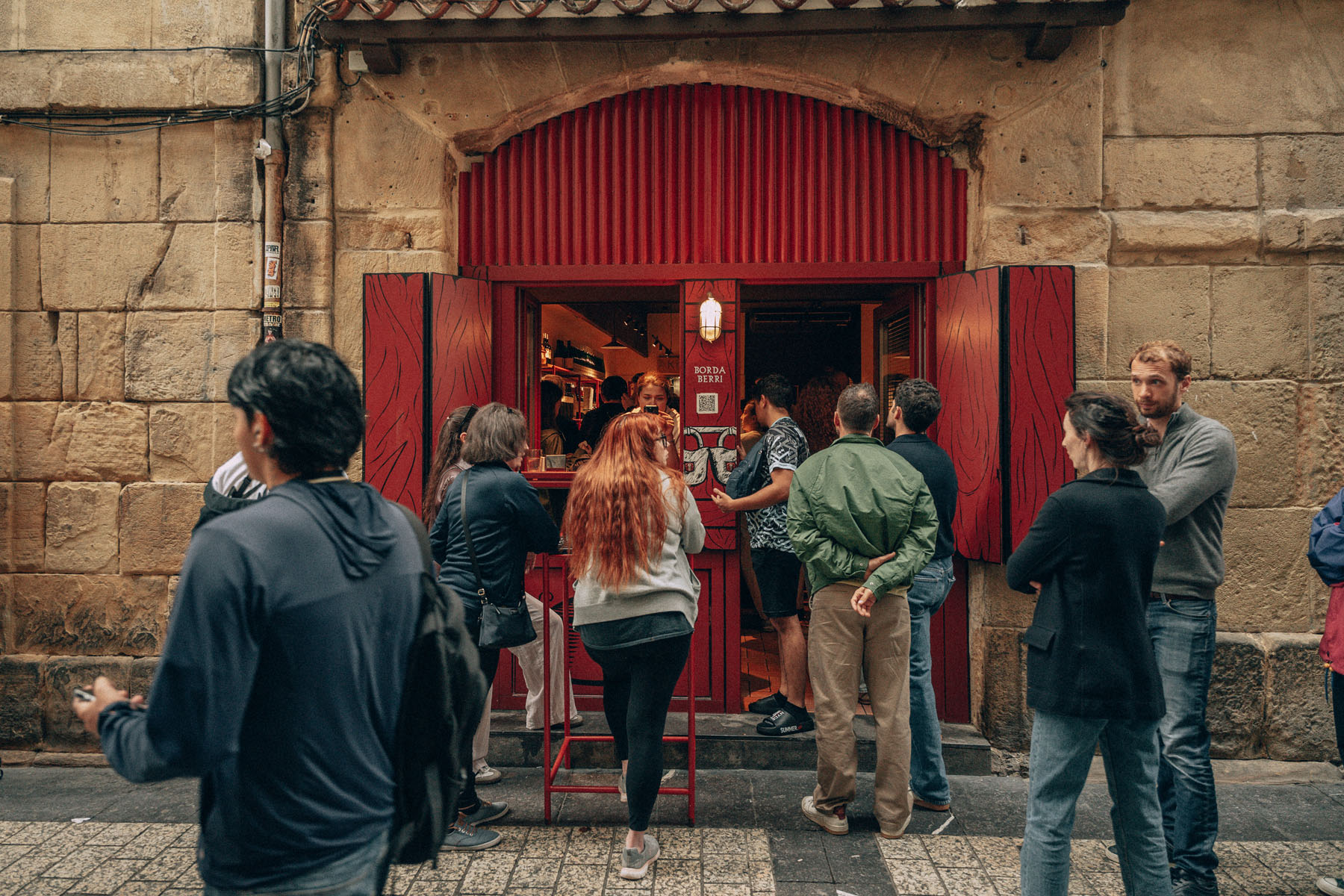
Borda Berri: The Battlefield of Bars
At Borda Berri in San Sebastián’s old town, Lucía Huezo runs a famously crowded counter while the kitchen serves meticulous Basque dishes made from scratch.
Read more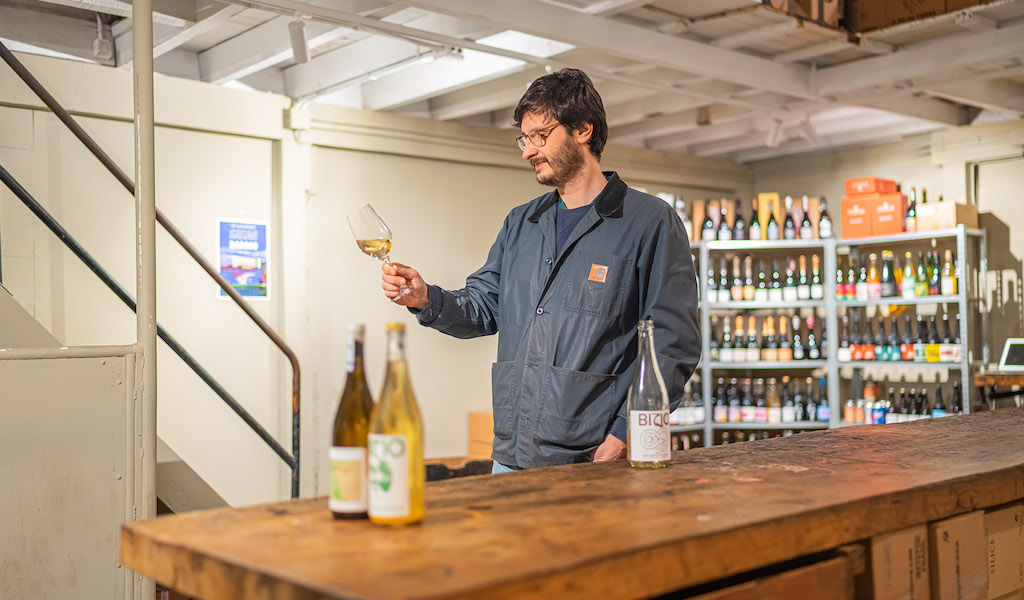
San Sebastian
Bodega Klandestina: The Natural Wine Hideout
Among the small streets and throughout the hidden corners of San Sebastian, young entrepreneurs sow courageous projects that are reshaping how wine is enjoyed in this city. Among them is José Vergarajáuregui, who opened Bodega Klandestina in 2022 in an abandoned car mechanic’s garage nestled in the folds of the Gros neighborhood. In a region tightly bound by tradition, he felt inspired to pave the way for new trends, tired as he was of seeing the same kind of wines served in most of the bars in town.
Read more
San Sebastian
Kofradia: Basque Beach House
In the 13th century, San Sebastian was a walled fishing village. While it may no longer look like one, Kofradia – a restaurant and maritime education center that opened in 2020 – is working to preserve fragments of that history. Located near La Kontxa beach, between where San Sebastian’s fishing port and a seaside entrance to the old walled town used to be, the project got its start as an initiative of several local guilds and organizations that work with small fishing boats in the Bay of Biscay. This is where the fish on Kofradia’s menu comes from, reflecting the quality of the catch, the commitment to responsible fishing, and the maintenance of the balance of local biodiversity.
Read more
San Sebastian
Manojo: A Menu of Creative Freedom
It's a Sunday and, in the blink of an eye, Manojo is full. People move between tables with familiarity; customers greet one another, say hello with a kiss on the cheek or give a wave – it feels as if everyone is a regular in this small establishment on José Arana Street in San Sebastian’s beachside Gros neighborhood. Manojo was created for just such a purpose, helmed by a couple of young chefs obsessed not so much with fine dining but with assuring a fine evening for all guests, by way of creative and honest food; for wines that are ready to start a good conversation and, mostly, for an ambience that feels as warm as a friend's hug.
Read more
San Sebastian
Best Bites 2024: San Sebastian
This past year has been an exciting one in San Sebastián. The emergence of new projects, driven by young talented people – some bringing ideas and flavours from abroad – makes even more thrilling the adventure of dining out in a city celebrated for its deep-rooted traditions and extraordinary gastronomy. While enjoying some of the iconic local dishes remains a must, it’s also a nice time to delve into what it's being offered by this new wave of talent, whether you’re up for some pintxo hopping or are looking to enjoy a nice time with friends or family at some of the city’s finest tables.
Read more
San Sebastian
Ibai: New Life for an Old Basque Favorite
Activity has resumed at the narrow door hidden between the shops on Calle Getaria, in the heart of San Sebastian. Since May, nostalgic patrons of Ibai, the iconic little restaurant tucked away in the basement of an ancient house in the downtown area, can once again sit at its six indoor tables and savor signature dishes like salpicón de bogavante (lobster with a citrus dressing) and perfectly fire-kissed grilled fish. Open for almost forty years, the restaurant has held an extraordinary place in the memories of the Donostiarras (the locals of Donostia, as San Sebastian is known in the Basque language), who never forgot the kokotxas, hake, and anchovies served by Alicio Garro and his friendly team. However, the Covid-19 pandemic forced Ibai to close its doors, leaving a void in the city's gastronomic scene.
Read more
San Sebastian
Casa Urola: Pintxo Season
The word pintxo is omnipresent in San Sebastian, but not all pintxos are created equal. In the Old Town, Casa Urola has become a mandatory stop for anyone making a pintxo pilgrimage, thanks to Chef Pablo Loureiro Rodil’s vision. It’s not enough for Pablo to offer classic staples frequently found in most of the bars in town. Rather, he delves deep into the concept of seasonal pintxos – one of the first chefs to try to reflect the “here and now” of his homeland in the local and familiar format of a small and casual bite. The kitchen has been a familiar landscape for Pablo since he can remember. Bearing the surname Loreiro (“bay leaf” and also related to the Loureiro grape, typical of Galicia where his father was born) may have been the first sign of his destiny.
Read more
San Sebastian
Marti Buckley’s First Stop in San Sebastian
Editor’s note: In the latest installment of our recurring First Stop feature, we asked writer Marti Buckley about some of her favorite spots in San Sebastian. Marti is the award-winning author of Basque Country (Artisan, 2018) and The Book of Pintxos (Artisan 2024). She is an experienced speaker, chef and journalist with an expertise in Spanish and Basque cuisine, vermouth, wine and European travel. She has lived in San Sebastián, Spain since 2010 and has been writing for nearly two decades. You can follow Marti on her blog and Instagram.
Read more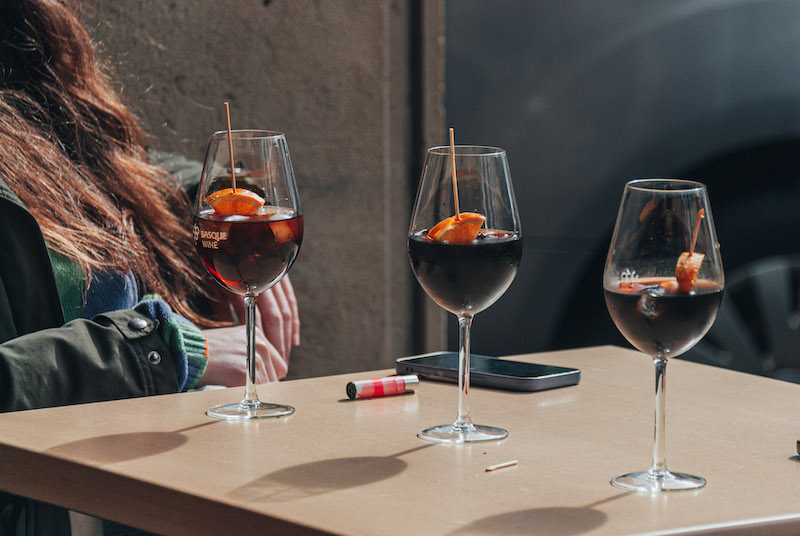
San Sebastian
San Sebastian: The State of the Stomach
In San Sebastian, talking about food, but above all, about cooking, is the norm. Here, something as small as a gilda is of the utmost importance. To stick anchovies, olives and guindilla peppers on a stick is not enough; together these ingredients must contrast and balance, living up to the gilda’s reputation as one of the city’s most celebrated pintxos. A good gilda comes with a punch of flavor and freshness; an ideal combination of textures and acidity that is eaten in a single bite.
Read more
San Sebastian
Muka: Vegetable Forward
Right where the Urumea river meets the Cantabrian sea, the striking Kursaal Congress Centre, designed by Spanish architect Rafael Moneo in the late 1990s, faces the Bay of Biscay. It is here, at the end of the Zurreola Bridge, that Muka welcomes the curious and the hungry. Carrots served with spinach and almonds, artichokes marinated in olive escabeche, or beetroots prepared with curd and citrus are enough for chef Juan Vargas to steal some smiles at Muka, where he is determined to pave the way for vegetables in a city with a penchant for meats.
Read more
San Sebastian
Introducing San Sebastian: Through the Eyes of Our Local Team
As we excitedly introduce San Sebastian, our newest Culinary Backstreets city, we sat down to chat with one of our local experts, Sasha Correa. There’s a lot to say about food in this small city on the Bay of Biscay, a place where Basque traditions run deep but that has also made a name for itself in the international fine dining scene. Sasha was born and grew up in Caracas, Venezuela. She first came to San Sebastian in 2007, lured by the city’s gastronomy, and then came back to live here full-time some nine years ago. As a writer and now as a guide, she hopes to convey to others the special spark that San Sebastian and Basque culture have, especially when it comes to gastronomy.
Read more
San Sebastian
CB on the Road: Basque Country, Bite by Bite
The streets are nearly empty. As light cascades down cobbled thoroughfares, dog walkers shield their eyes and market-goers tow their rickety carts toward Mercado de la Bretxa. The market of San Sebastián sits underneath a square just a pebble’s skip from crashing waves surging up the mouth of the Urumea Itsasadarra River. Lamps glowing red illuminate butchers navigating dangling strings of txistorra, Basque chorizo, while across the aisle, an bright white storefront advertises every imaginable form of bacalao, or salt cod. Tucked in a rear corner, Bar Azkena has been crafting delicate fluffy breakfasts for nearly 20 years. Tortillas, or omelets, stuffed with surprises like squid ink and blood sausage fill the bar counter, necessitating foldout tabletops and overflow seating across the aisle.
Read more


Daily Dispatches from the Frontlines of San Sebastian
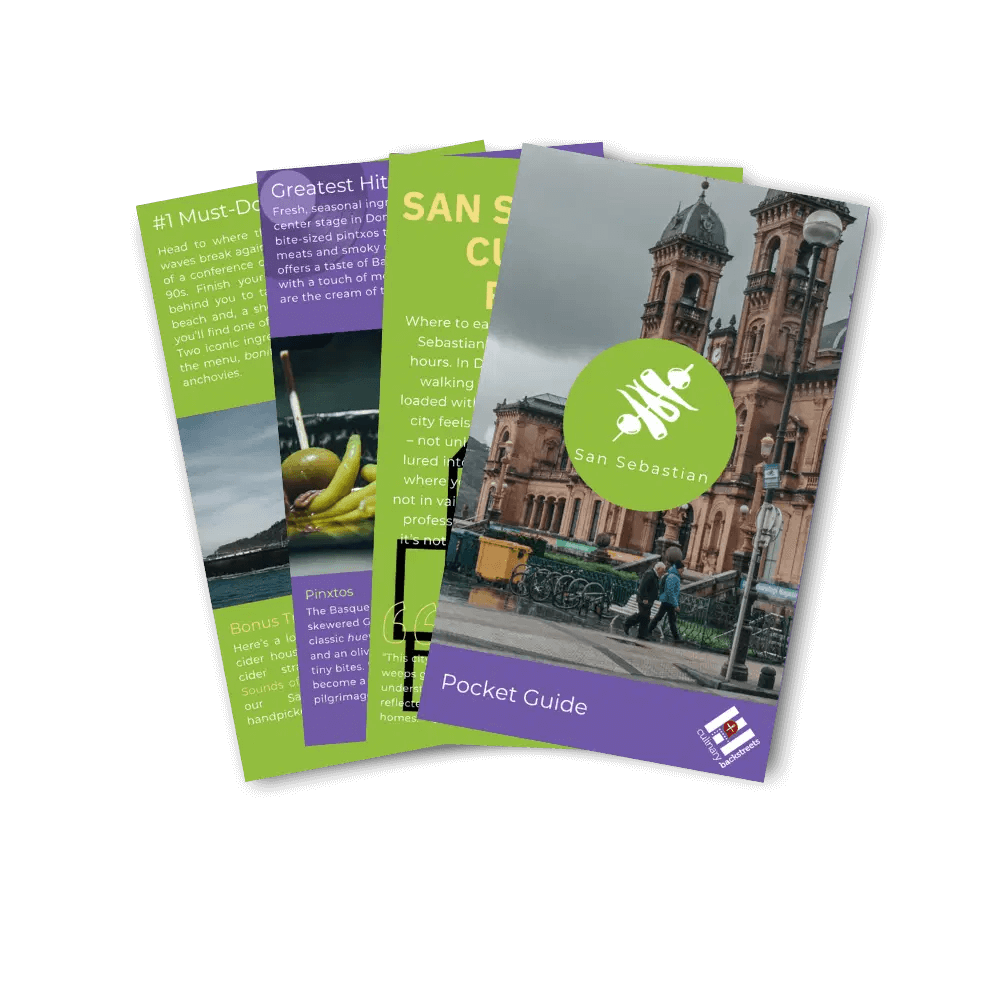
Get Your Free San Sebastián Pocket Guide
Introducing our pocket-sized San Sebastián guide — perfect for your next culinary adventure. Yours free when you sign up for our newsletter.
Get Your Free San Sebastián Pocket Guide
Introducing our pocket-sized San Sebastián guide — perfect for your next culinary adventure. Yours free when you sign up for our newsletter.
Immersive Multi-Day Journeys In and Around the World’s Culinary Capitals


Your trips, powered by our picks
Curated San Sebastian Travel Boards

Visual Dispatches from the Frontlines of Local Eating
San Sebastian Food Tour With Culinary Backstreets
Culinary Backstreets® Envoys, Always Searching for the Next Hidden Gem

Sasha
San Sebastian Correspondent and Tour Leader

Blanca
San Sebastian Tour Leader

Astrid
San Sebastian Tour Leader

Panos
San Sebastian Tour Leader

Gonzalo
San Sebastian Tour Leader

Estefania
San Sebastian Tour Leader

Gorka
San Sebastian Tour Leader

Magda
San Sebastian Photographer

Alaia
San Sebastian Tour Leader

Margot
San Sebastian Tour Leader
Your Questions, Answered
San Sebastian, Donostia in Basque (the official city name is Donostia-San Sebastián), is the capital of Spain’s Gipuzkoa province in Basque Country. Founded in 1180, it’s situated on the southeastern coast of the Bay of Biscay, where the Urumea River flows into the sea. Just 12 miles from the French border, the city is home to about 187,000 people and is renowned for its rich culinary scene. It boasts one of the highest concentrations of Michelin-starred restaurants per square meter globally.
Bar hop through the city center or have a drink by the sea, there are a million ways to experience pintxos (small finger foods) – from gildas to gabardinas to anchovies dishes and the famous txuleta. It’s known for its seasonal ingredients and the unique Txacoli wine, as well as its bevy of Michelin stars. One of the best things to do in San Sebastian is stroll through the charming city, bisected by the Urumea River, taking in landmarks like the Kursaal Palace, Victoria Eugenia Theatre and Museo San Telmo, which showcases the city’s cultural heritage. Art is everywhere here, embodied in sculptures by local artists like Chillida’s Peine de Los Vientos, Oteyza’s Empty Construction and Cristina Iglesias’s Hondalea. Donostia also hosts major cultural events, such as the San Sebastian Jazz Festival (Jazzaldia, the longest continuously running jazz festival in Europe, held every summer) or the San Sebastian International Film Festival in September.
The best time to visit San Sebastian is March through November, when the weather is consistently pleasant. Summer is packed and sunny, but the city makes up for that with its vibrant energy and a ton of cultural events. Expect higher rates at hotels, however.
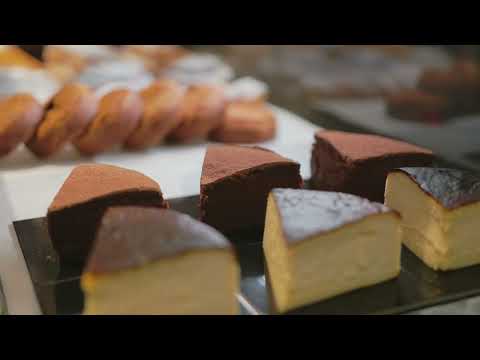
San Sebastian is known for its wide variety of pintxos, which are small dishes crafted with a few ingredients. It’s common to find pintxos made from olives, anchovies and pickled peppers (gilda), as well as bites featuring grilled shrimp or meat, charcuterie and seasonal vegetables. Grilled foods are an important part of the local cuisine, like the popular (and mouthwatering) txuleta chops and fish like hake cod. When it comes to dessert, San Sebastian cheesecake has taken the world by storm for good reason, it’s utterly decadent and creamy.
Schengen: 90 days within 180. ETIAS from late 2026. No vaccination or testing. Fly into Bilbao (1 hour by car) or Biarritz (45 min from the French side).
The weather in San Sebastian is moody. Rain and wind are a part of Basque Country. But summers are hot and humid, with temperatures hitting the high 90s. Cooler evenings prevail, and the city doesn’t become stifling. Winters are mildly chilly, though often rainy, with temperatures rarely dropping below 32 ºF.
In San Sebastian, prices vary with the season and during major events like Zinemaldi or Jazzaldi. Generally, it’s not as budget-friendly as other Spanish cities, but cheaper than big cities in the United States. Expect to pay around €1.75 for a coffee and between €2.5-4 for a glass of wine. Pintxos range from €2.5-6, while a normal dinner averages €15-20. Accommodation costs also vary. A room for two in a 3-star hotel can be anywhere from €60-120, but the price can soar to €200 during peak times, like in August.
San Sebastian is a safe and welcoming city. It’s a great place for walking around or biking at any time of day and in any location, and public transportation is safe as well.
San Sebastian is a small city. Staying in the center makes everything more practical, as many of its main attractions are within walking distance. If you base yourself downtown, you get to see the best of what the city has to offer, but it can also be crowded, loud and busy. The best place to stay in San Sebastian for first-timers and families is around La Concha Beach or the cathedral, though prices here are higher. A neighborhood like Gros is also a good alternative.
San Sebastian is well connected, and has a small airport about 12 miles from the city center easy to reach by bus or taxi. There are no direct flights from the United States to San Sebastian, but you can easily transfer from cities like Madrid or Barcelona. Another option is to fly in and out of Bilbao, which is just over an hour from San Sebastian’s city center. The airport in Biarritz (France) is also only a 40-minute bus ride.
San Sebastian has a very diverse and dynamic culinary scene, with options that go from traditional to trendy. They are all typically discreet, small establishments, focused on what they each have best to offer. In the city center we recommend Casa Urola, Borda Berri or Gambara; Bodega Donostiarra or Bar Ricardo in Gros; as well as Muka, Geralds and Manojo, and asadores (grill houses) like Portuetxe.
San Sebastian offers visitors three beaches, all within walking distance of each other. There is Zurreola, ideal for surfing; La Concha, which has calm waters for swimming and sunbathing, and mainly frequented by families; and Hondarreta Beach, where all kinds of folks go for swimming or rowing.
San Sebastian is a fun city with much to do – and eat – for children of any age. Walking around with a stroller or with kids is not a problem. You can find kid-friendly parks dotted all over the city, as well as attractions specifically for kids. These include the ferris wheel, carousel, aquarium and Monte Igueldo amusement park.
Two full days for the city, plus one or two for the surrounding Basque coast (Getaria for grilled turbot, Zumaia, Hondarribia). Add a day for a sidrería (cider house) meal in Astigarraga during January to April.
Culinary Backstreets runs one food tour in San Sebastián, The Real Basque Way: San Sebastian, Beyond the Stars. It's a full-day walk that goes past the Michelin-map version of the city into the Parte Vieja pintxo bars and Gros neighborhood spots where locals actually eat, with cider-house context and market visits.
Parte Vieja: La Cuchara de San Telmo, Ganbara, Bar Nestor (for the txuleta and tortilla), Borda Berri, Atari. Gros: Bar Bergara, Hidalgo 56, Zabaleta. Fine-dining pintxos: Bar Zeruko. Don't try to hit them all, three or four in one night, standing.
Bar Nestor's tortilla (12 p.m. and 8 p.m. sittings only, go early), a proper Getaria-style grilled turbot, kokotxas de merluza (hake cheeks) in green sauce, txipirones en su tinta, a Gilda pintxo, Basque cheesecake (invented at La Viña), and Idiazábal cheese with a glass of txakoli or cider.
All three. Solo travelers are ideal for the pintxo crawl, standing at the bar and moving on. Families are welcome, though the pintxo bars can be shoulder-to-shoulder loud. Groups of four to six work well for pintxo crawls and are also the right size for a proper Basque sagardotegi (cider house) meal.
It has the highest Michelin-star-per-capita ratio in the world. For a two-night visit focused on pintxo bars, tasting menus (Arzak, Mugaritz, Akelarre, Elkano nearby in Getaria), and cider houses, it's hard to beat. For breadth and depth over a week, larger cities compete.




