We can't find the internet
Attempting to reconnect
Something went wrong!
Hang in there while we get back on track


Paris's culinary record
The French are masters of creating culinary traditions and just as fervently overthrowing them – the perpetual coup d’état. Stodgy, dairy-laden Escoffier cooking gave way to bright, veggie-forward nouvelle cuisine, which eventually morphed into the rise of neo-bistros and bistronomy. In Paris today, dining has reached the next level, as if figurative art gave way to abstraction. The rules for restaurants have disappeared. Anything goes.
Get the Full Story →Tour Paris with Culinary Backstreets®
View all food tours
discover the city, street by street, bite by bite
Paris
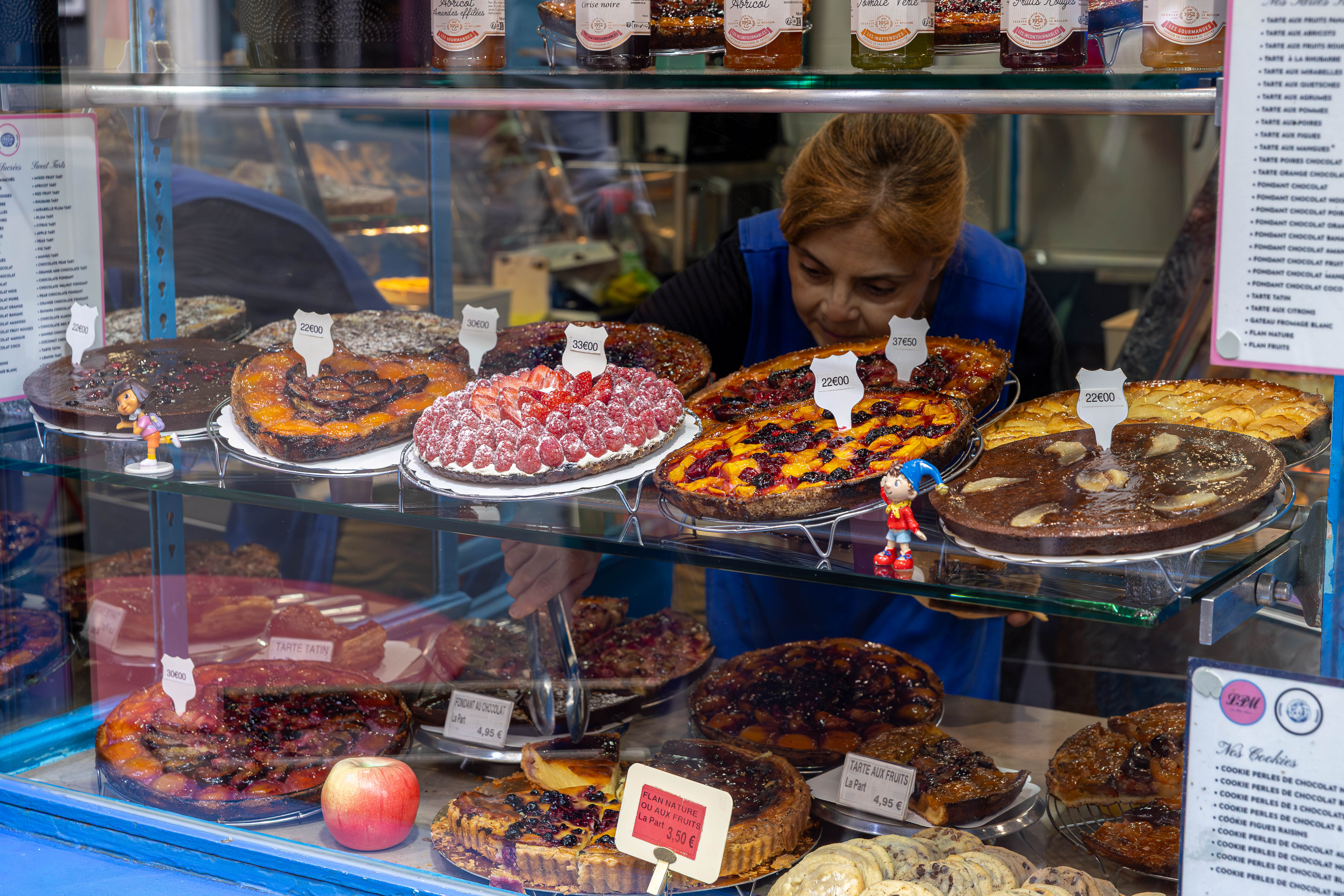
Les Petits Mitrons: A Tart for Every Season
At this family-run rue Lepic pâtisserie, the tart selection changes with the seasons: greengage and fig as summer fades, chocolate and pear in winter, all tucked into the shop’s distinctive crisp, sugar-studded crust.
Read more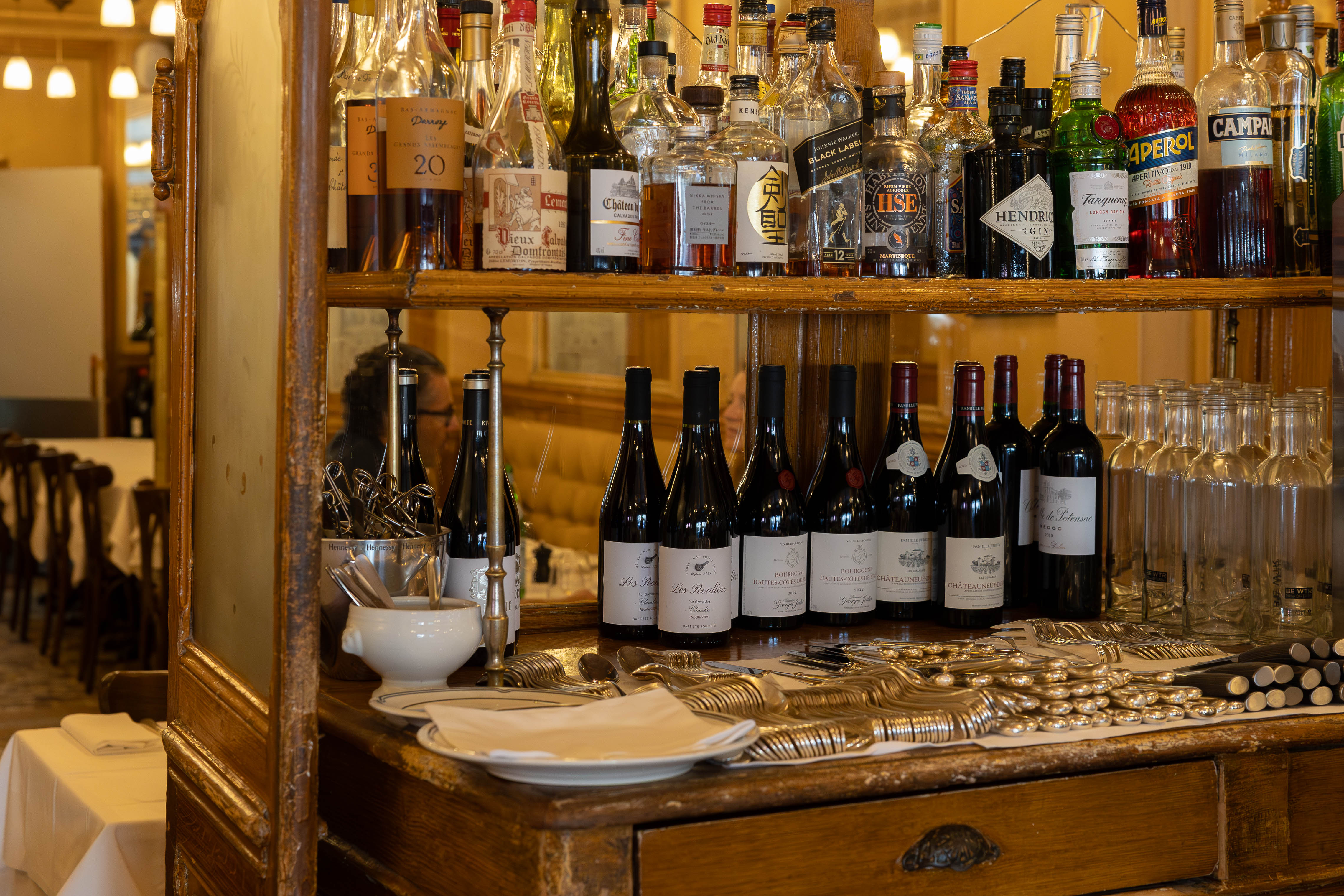
Paris
Joséphine Chez Dumonet: The Grand Old Bistro of Rue du Cherche-Midi
Butter, Bordeaux, bœuf bourguignon, and a towering Grand Marnier soufflé set the tone at Joséphine Chez Dumonet. This old-school Rue du Cherche-Midi bistro still delivers Paris with a generous soupçon of pomp.
Read more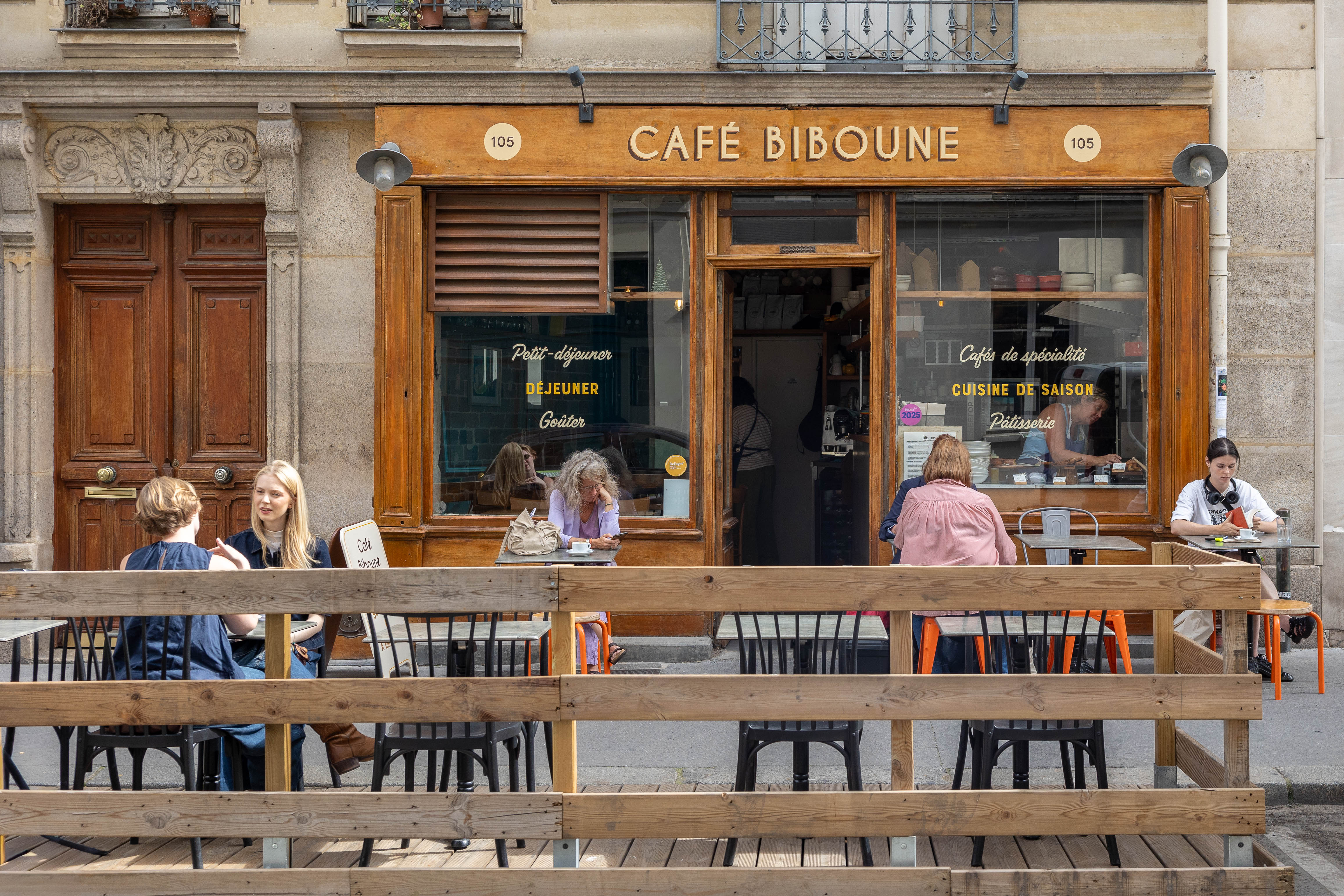
Paris
Street Smarts: Paris’s Rue du Cherche-Midi, A Local’s Guide to the Other Saint-Germain
A food-focused walk down Rue du Cherche-Midi, one of Saint-Germain’s most rewarding streets for bakeries, cheese, coffee, chocolate, wine and old-school Paris dining.
Read more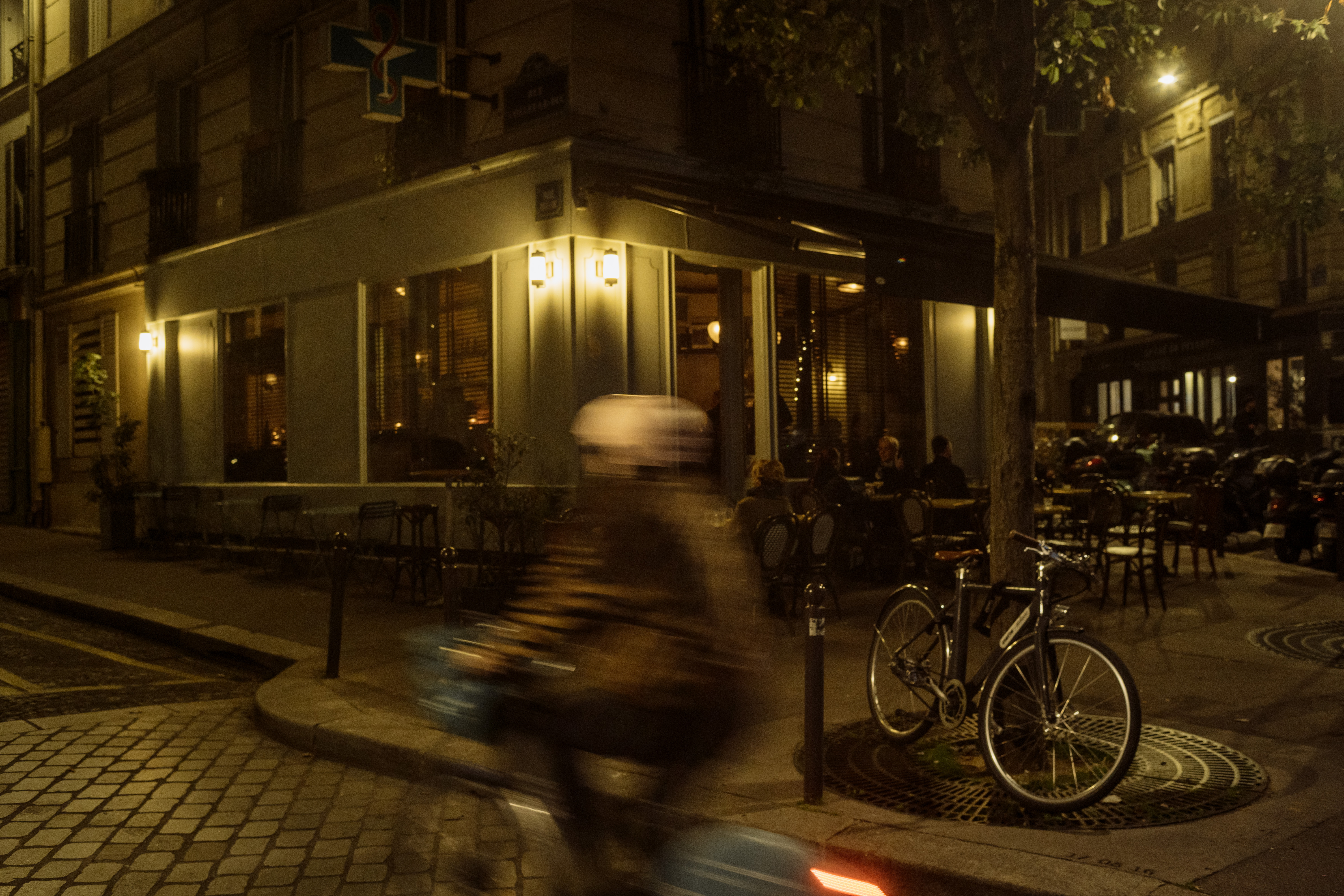
Paris
Classique: A Parisian Wine Bar in Cocktail Form
Classique brings warmth and invention to Pigalle with wine-based cocktails, housemade ingredients and a menu built around grape varieties.
Read more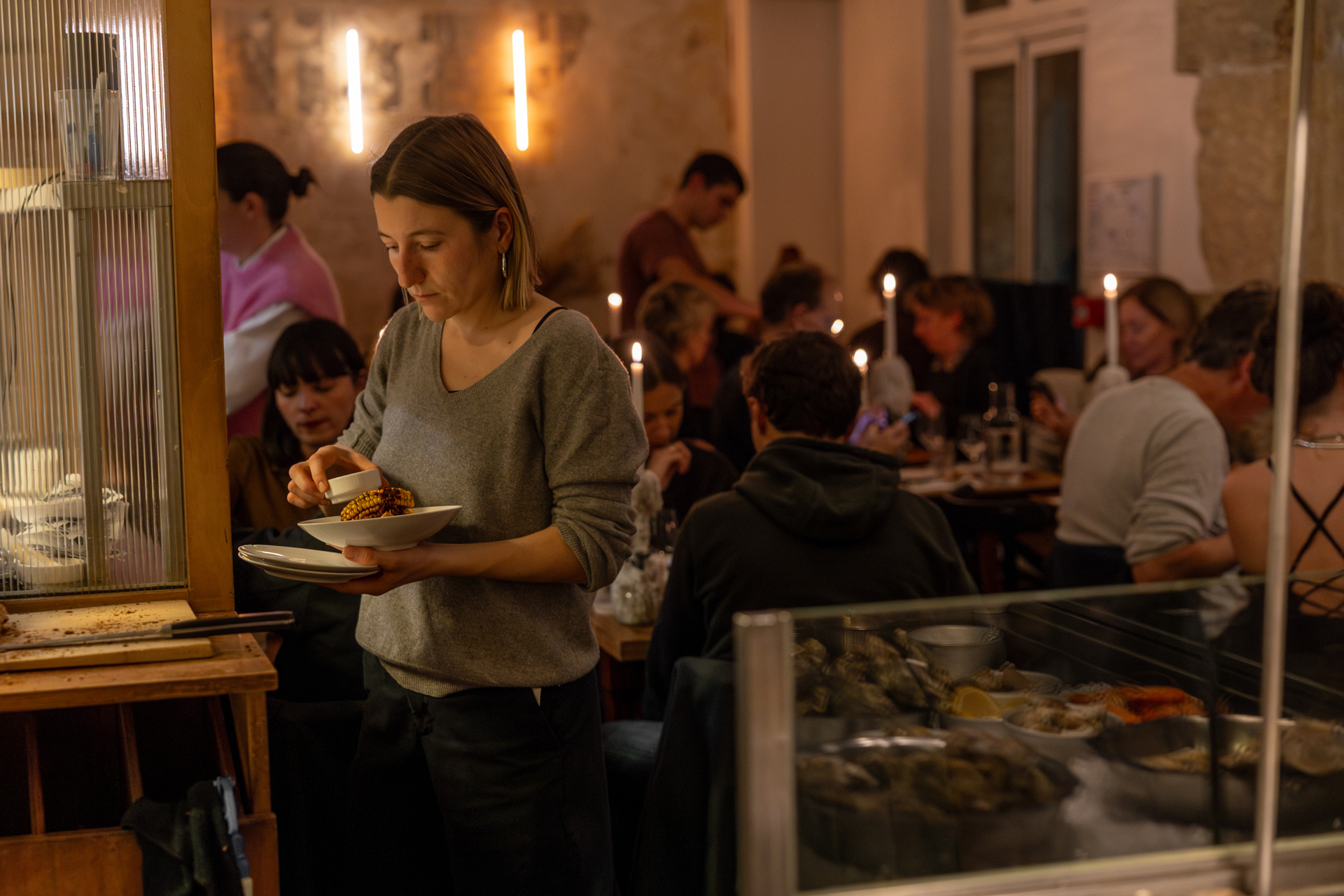
Paris
Soces: The Belleville Bistro We Return To Again and Again
A relaxed Belleville bistro where oysters, seasonal seafood, thoughtful wines, and an easy neighborhood warmth make Soces feel like the kind of place people return to often.
Read more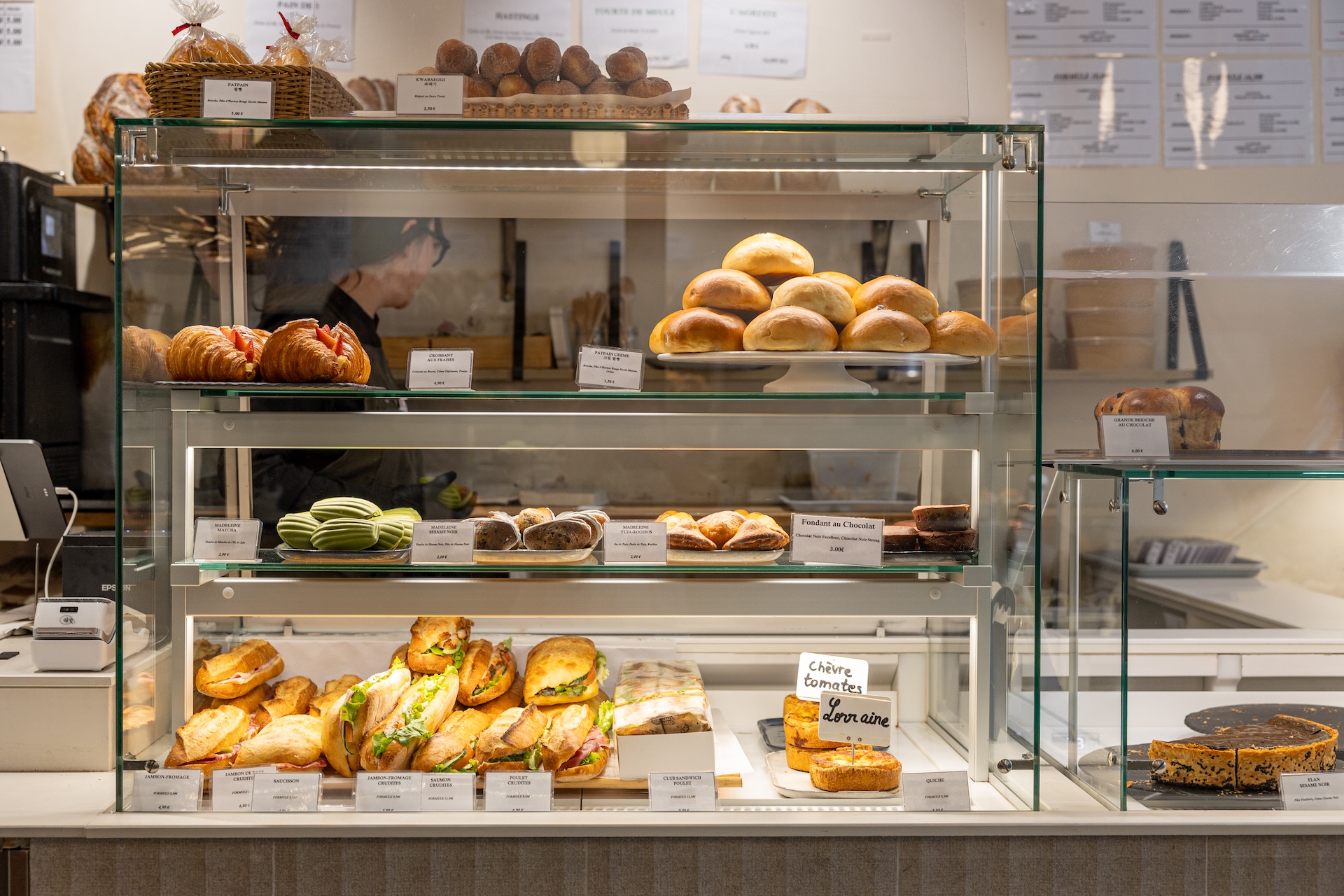
Paris
Mille & Un: Korean-French Pastry in Saint-Germain
On Rue Saint-Placide, Mille & Un brings Korean flavors into a polished Parisian boulangerie-pâtisserie. Come for the prize-winning flan, black sesame sweets, crisp viennoiserie and quietly busy salon de thé.
Read more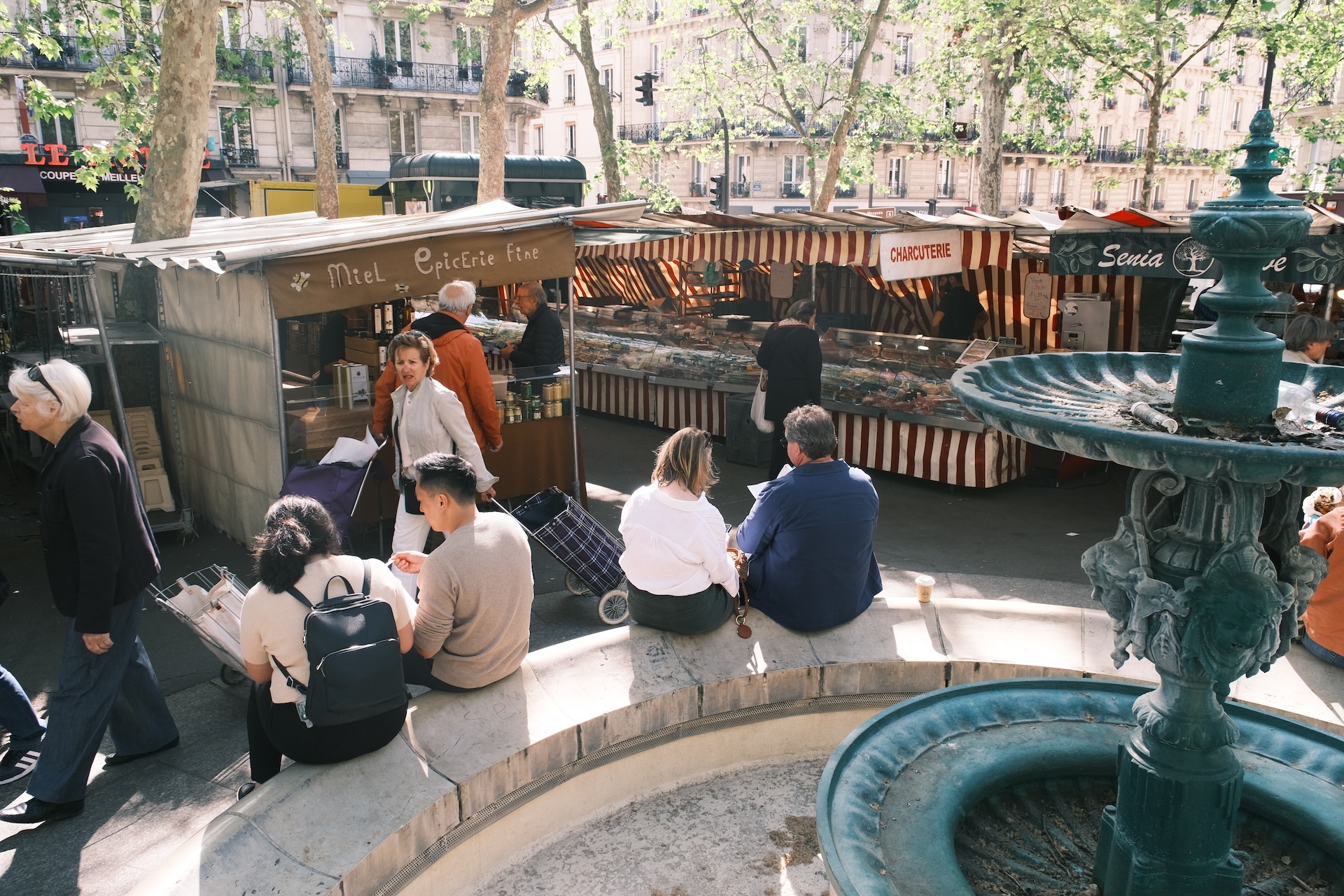
Paris
The Ultimate Guide to Markets in Paris, Arrondissement by Arrondissement
Where to shop like a Parisian for produce, cheese, bread, and other essentials. A complete guide to Paris’s best neighborhood markets.
Read more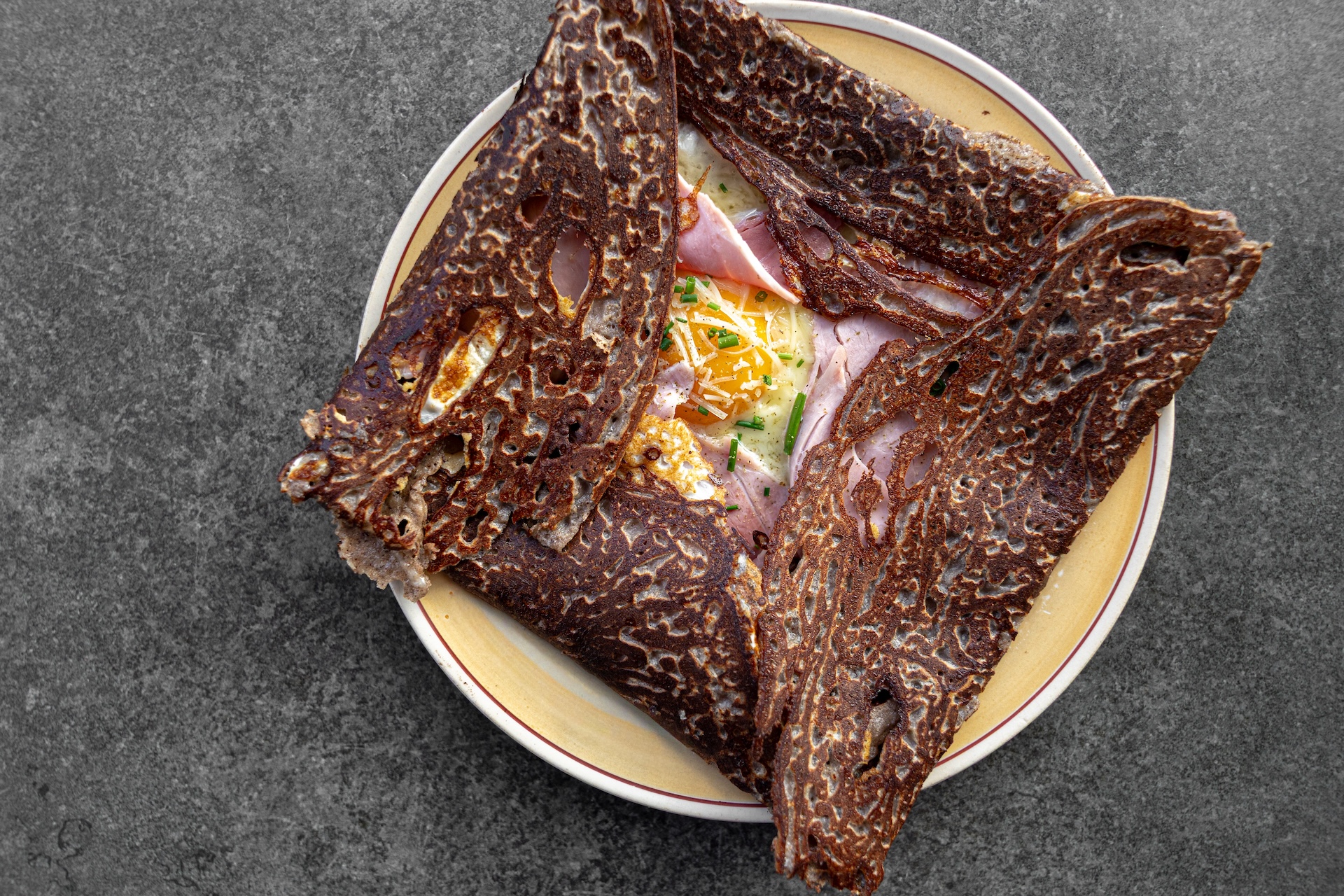
Paris
ROND: The Crêpes at the Top of the Hill
A Belleville crêperie with traditional Breton fillings, an excellent cider list and a lively neighborhood crowd.
Read more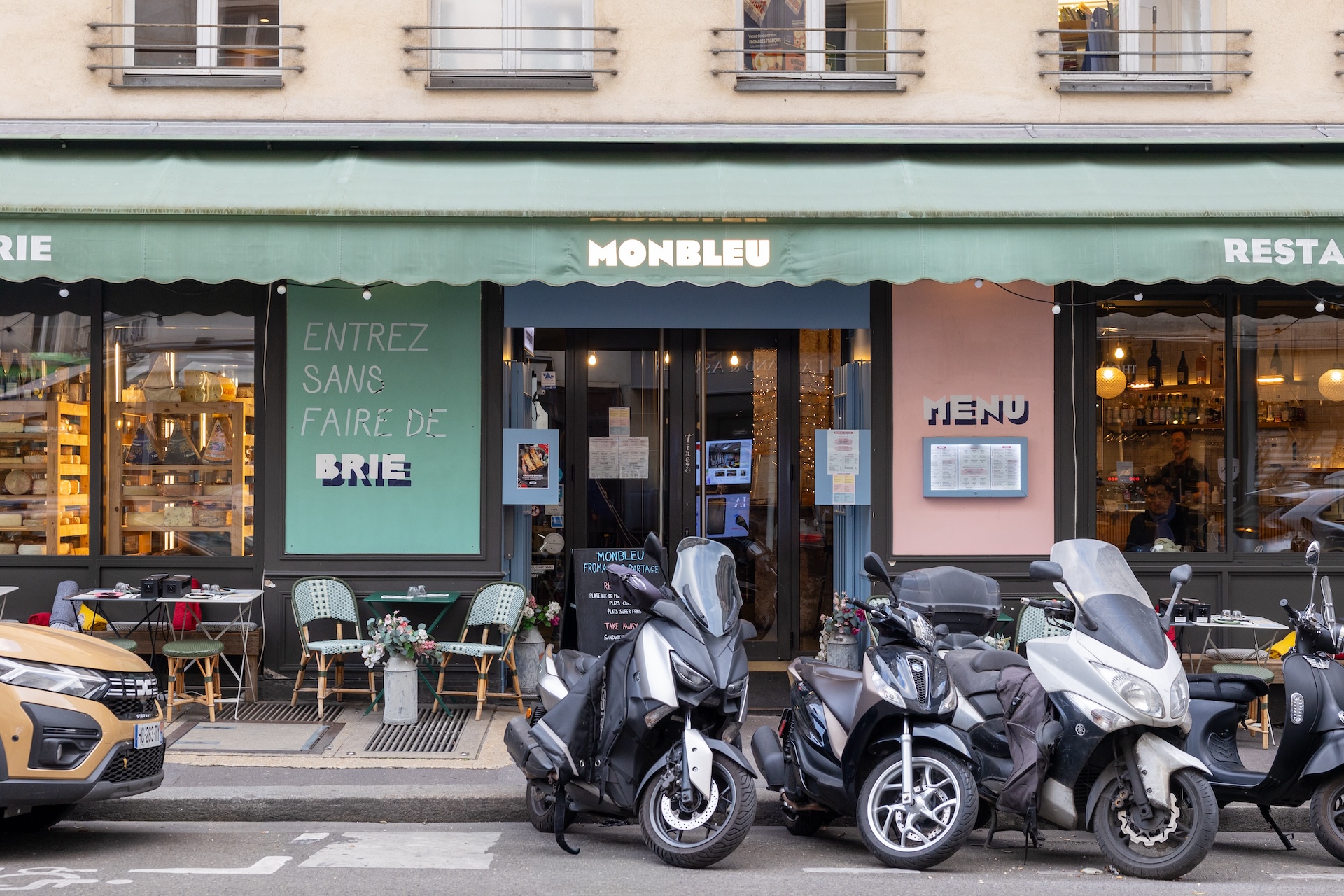
Paris
Monbleu: Inside Paris’ Modern Temple to Cheese
Part cheese shop, part restaurant, Monbleu offers expertly aged European cheeses, indulgent raclette, and one of the more original cheese-focused dining experiences in Paris.
Read more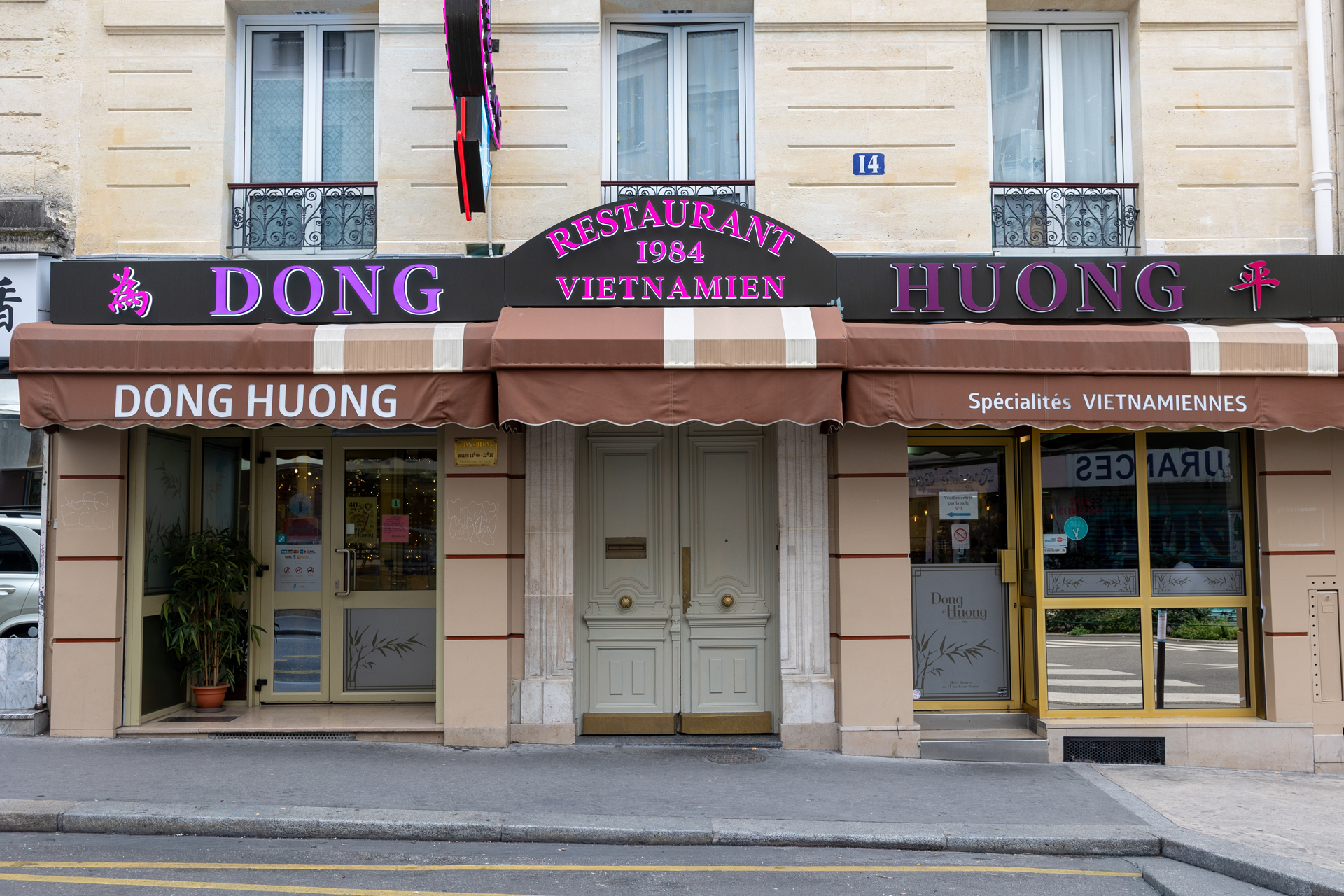
Paris
Dong Huong: Where Belleville Comes for Pho
A longtime Belleville favorite for northern Vietnamese comfort food, Dong Huong draws locals with dependable pho, bo bun, and bún riêu served without fuss.
Read more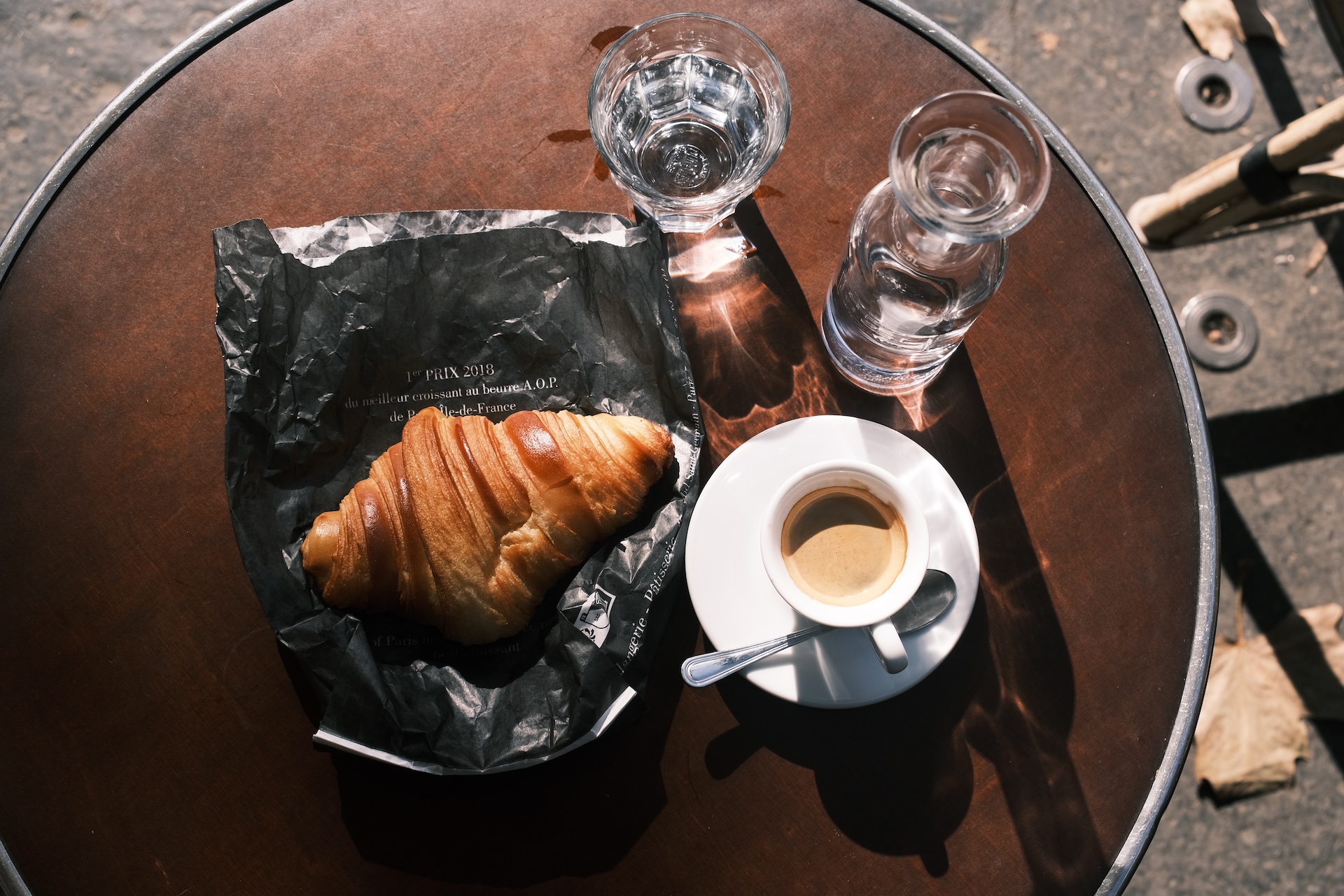
Paris
Local Eats: La Maison d'Isabelle, A Prize-Winning Croissant in Paris
A Place Maubert bakery known for its prize-winning croissant, rich quiche Lorraine and deeply savory olive bread.
Read more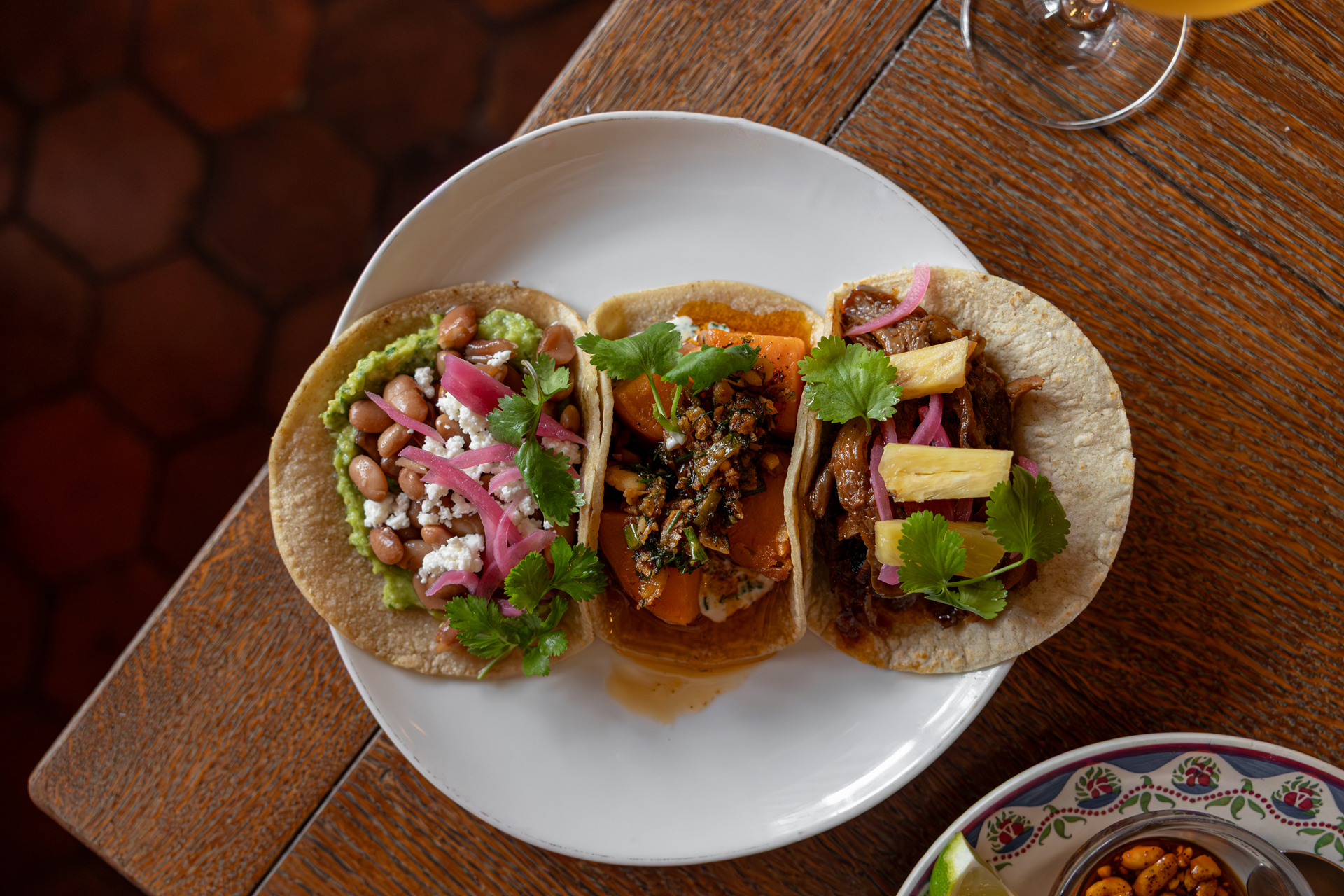
Paris
Local Eats: Furia, Paris’s Neo-Bistro Taquería
In Paris’s 11th arrondissement, Furia pairs Mexican street tacos with natural wine and mezcal, building a focused, ever-changing menu around Oaxacan corn tortillas and a lively dining room.
Read more


Daily Dispatches from the Frontlines of Paris
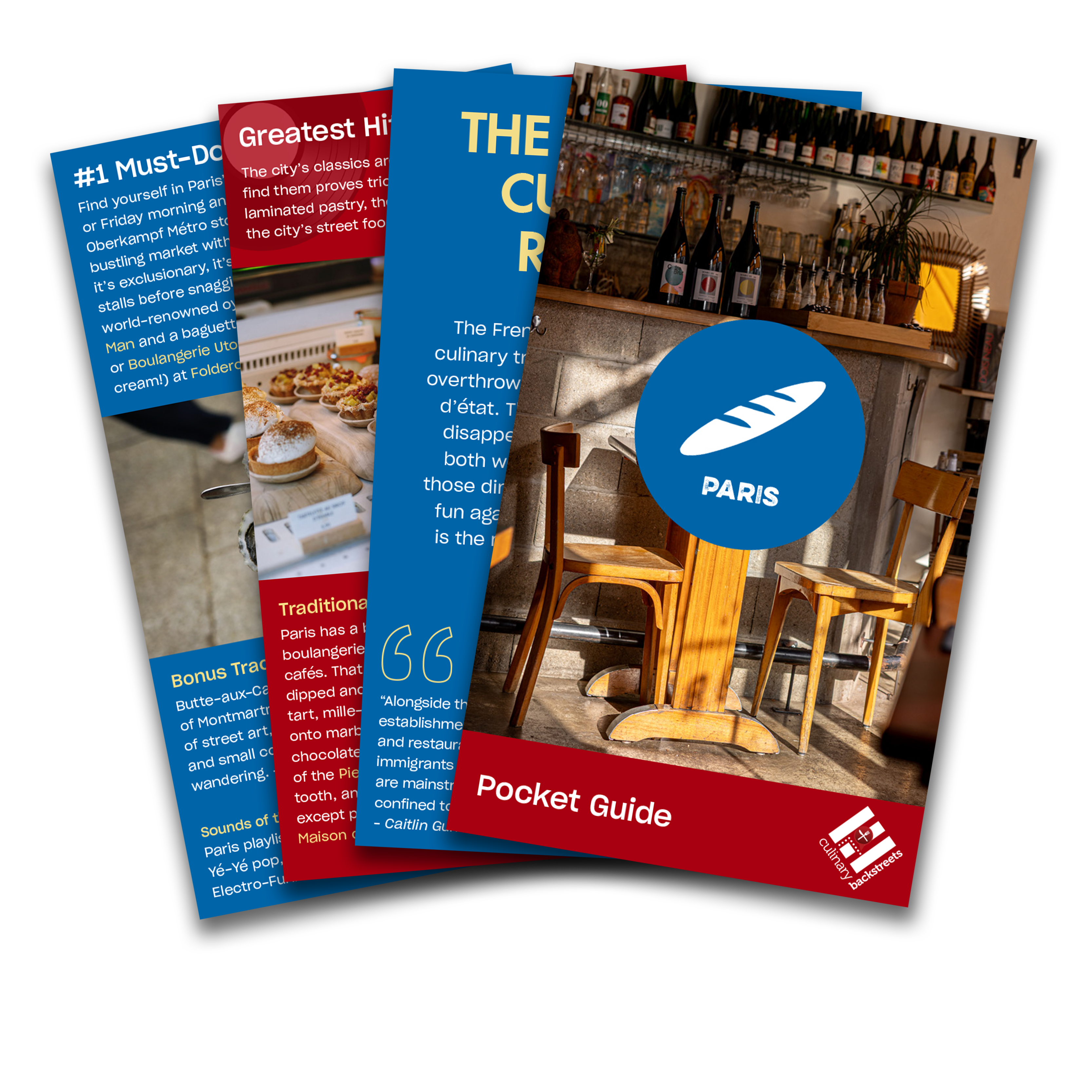
Get Your Free Paris Pocket Guide
Introducing our pocket-sized Paris guide — perfect for your next culinary adventure. Yours free when you sign up for our newsletter.
Get Your Free Paris Pocket Guide
Introducing our pocket-sized Paris guide — perfect for your next culinary adventure. Yours free when you sign up for our newsletter.
Your trips, powered by our picks
Curated Paris Travel Boards


Culinary Backstreets® Envoys, Always Searching for the Next Hidden Gem

Allison
Paris Tour Leader

Susan
Paris Tour Leader

Lucia
Paris Tour Leader

Nicolas
Paris Tour Leader

Florent
Paris Tour Leader

Emily
Paris Correspondent

Arthur
Paris Photographer

Caitlin
Paris Correspondent

Clémence
Paris Photographer

Kristy
Paris Correspondent

Rachel
Paris Correspondent
Your Questions, Answered
All three. Solo travelers do very well at zinc counters, wine bars, and any brasserie's bar seating. Families are welcome and kids in Parisian restaurants is normal, not exceptional. Groups of four to six should book neo-bistros in advance (many are tiny and full weeks ahead).
Paris is the global capital of natural (low-intervention) wine, sold at bar-à-vin spots in the 10th and 11th. Le Verre Volé, La Buvette, Aux Deux Amis, Septime La Cave, Clown Bar, Café du Coin, Le Baratin. Go for the by-the-glass list and small plates.
Lean into the rhythm: linger at cafés, browse neighborhood markets, eat a long prix-fixe lunch, walk the canals, slip into a bouillon for classic comfort dishes, and spend an evening in a natural-wine bar. Wander different quartiers — especially east of the Seine — and let the day unfold block by block.
Generally spring (April–June) and fall (September–October) for mild weather and long twilights. Summer can bring heat waves; in August some small shops and restaurants close. Winter is cool and gray but atmospheric, with lighter crowds.
Temperate oceanic climate: cool, damp winters; warm summers; rain spread through the year. Recent years have seen hotter summer spells — plan for shade, water, and breaks indoors.
It can be — it’s a major capital — but you can eat well at many price points: market stalls, bakeries, kebab counters, and bouillons offer great value. Lunch menus (formules or prix-fixe) at bistros are often the best deal of the day.
Overall yes, but it’s a big city: watch for pickpockets in crowded areas (Metro, major sights), keep phones and bags close, and avoid setting items on café tables or chair backs. At night, stick to lit streets and licensed transport.
There isn’t one “best.” Think layers: bread and pastries, bistro classics, bouillon comfort food, natural-wine small plates — and the city’s immigrant cuisines (North African couscous, Vietnamese bánh mì, Wenzhou dumplings, Tunisian brik) that shape how Paris eats today.
Match the neighborhood to your trip:
Marais/central Right Bank: very walkable, lots of shops and museums.
Bastille/Oberkampf/Belleville (east of the Seine): lively, great food, more local vibe.
Saint-Germain/Latin Quarter: classic Left Bank cafés and landmarks.
Canal Saint-Martin/10th–11th: young, buzzy, natural-wine and neo-bistros.
Montmartre/18th: villagey hills and views (more stairs).
Schengen: 90 days within 180. ETIAS from late 2026. No vaccination or testing.
There isn’t a single answer (and that’s the point). Mix a classic bistro or bouillon, a neighborhood canteen, a market snack, and a new-generation spot — you’ll taste the range that makes the city special.
Very. Parks, carousels, river walks, and kid-welcoming cafés are everywhere. The Metro is efficient but busy at rush hour; strollers are easiest on buses or by planning routes with elevators/escalators where possible.
The 11th (natural wine, neo-bistros: Le Chateaubriand, Clamato, Septime). The 20th and Belleville (Chinese, Vietnamese, Tunisian, working-class Paris). The 18th (North African, Barbès market, Marché Dejean). The Marais (Jewish food, falafel). The 6th (classic bistro, Montparnasse brasseries).
Culinary Backstreets runs one food tour in Paris, Belleville Bound: Paris, Beyond the Baguette. It's a full-day walk through Belleville and the 20th arrondissement, covering the natural wine bars, immigrant food (Chinese, Vietnamese, Tunisian), old-school working-class Parisian cafés, and the market on Boulevard de Belleville, led by a resident food writer.
Four full days. One for the classic bistro–boulangerie–fromagerie circuit, one for Belleville and the 20th (immigrant Paris), one for the natural wine scene in the 11th, one for the 18th (North African and African markets, Montmartre pastry).
A baguette tradition from a Grand Prix winning boulangerie, a tarte aux pommes at a corner boulangerie, a bavette-frites at a neo-bistro, a plateau of oysters and Muscadet, falafel on Rue des Rosiers, a Vietnamese pho in Belleville, and a proper croissant with cultured butter.




