We can't find the internet
Attempting to reconnect
Something went wrong!
Hang in there while we get back on track


Madrid's culinary record
Over the past few years, though, as neighborhoods across Madrid’s city center have borne witness to a new wave of culinary openings, there’s a sense that the city's classic spots are endangered. Where bars, tabernas, and restaurants serving the fixed-price lunchtime meal, menú del día, once stood, specialty coffee shops, natural wine bars, and on-trend small plates restaurants have cropped up. The reality on the ground, though, presents a more nuanced picture. While many fear the bar de toda la vida will be edged out as the city continues to change, those fears have been tempered by the emergence of a younger generation of community-minded chefs and owners who seem to be less interested in abandoning the model than evolving it.
Get the Full Story →Tour Madrid with Culinary Backstreets®
View all food tours
discover the city, street by street, bite by bite
Madrid
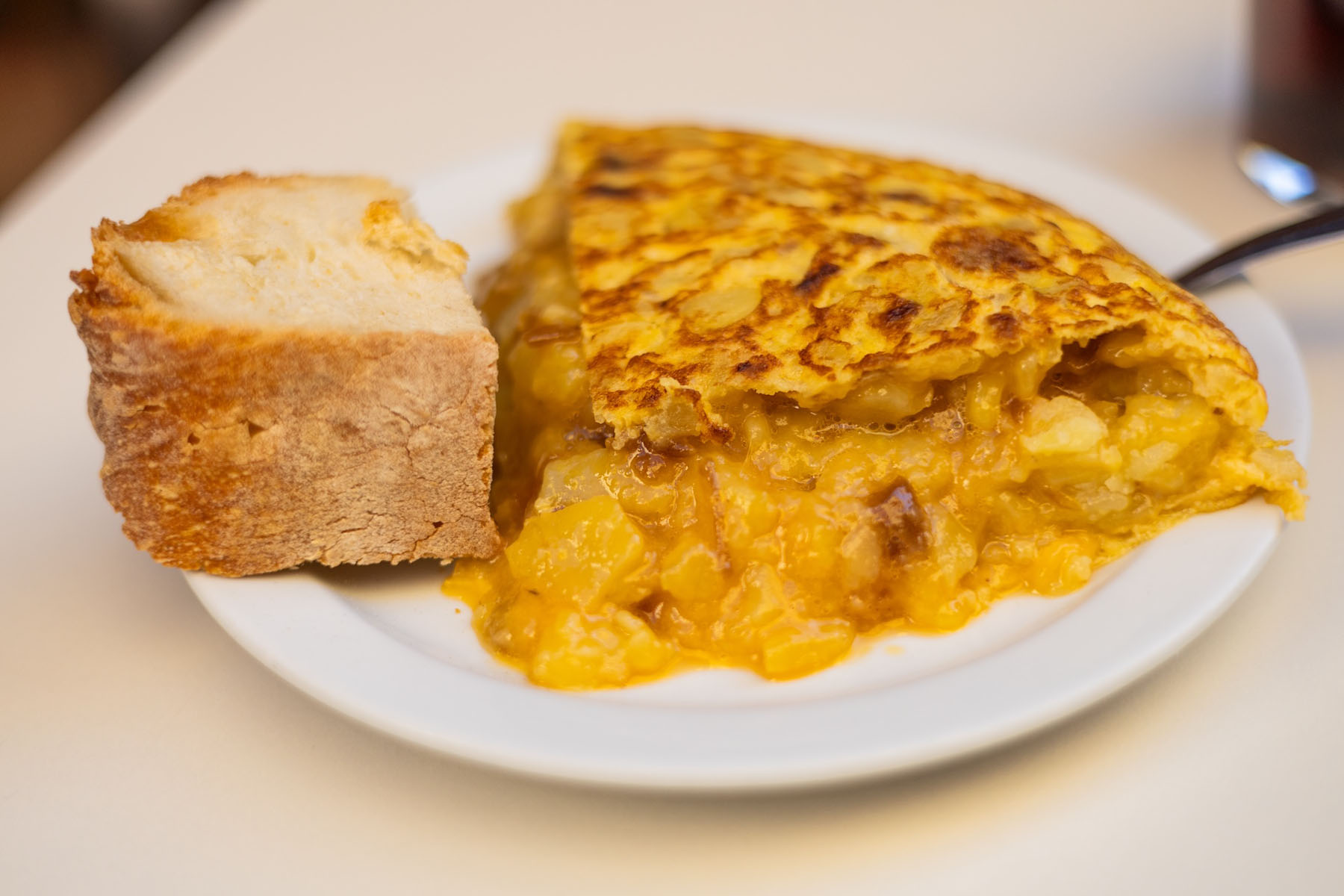
Casa Dani: Madrid’s Award-Winning Tortilla de Patata
Inside Mercado de la Paz, Casa Dani serves one of Madrid’s most celebrated tortillas de patata, with a browned exterior and a soft, creamy center. The tortilla draws the crowds, but regulars also come for callos a la madrileña, gambas al ajillo and the changing menú del día.
Read more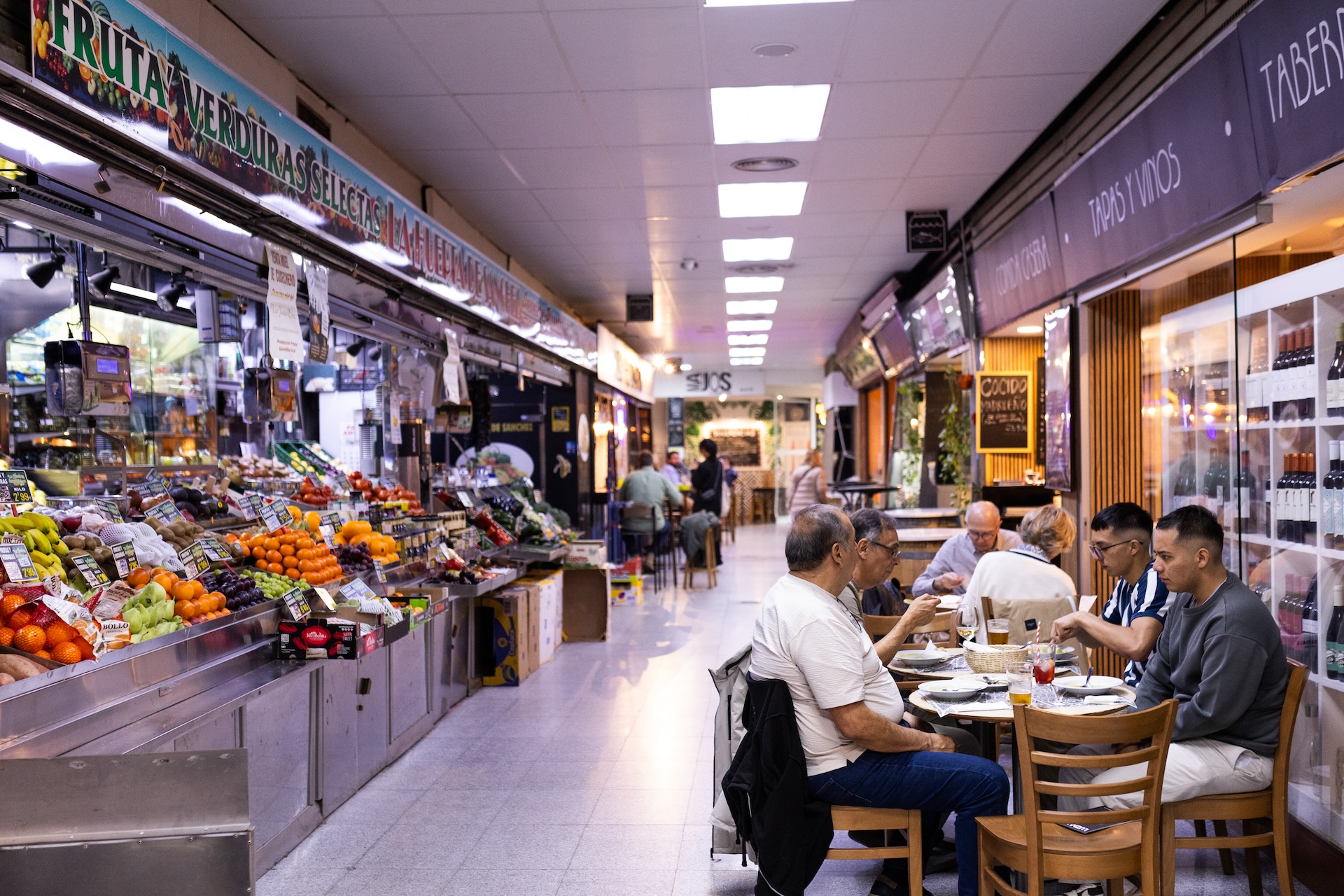
Madrid
A Guide to Madrid’s Mercados: 10 Favorite Markets Across the City
A mapped guide to 10 of our favorite markets in Madrid, from traditional grocery halls and seafood counters to tortilla, natural wine, tacos, Peruvian pastries, and Chifa lunch.
Read more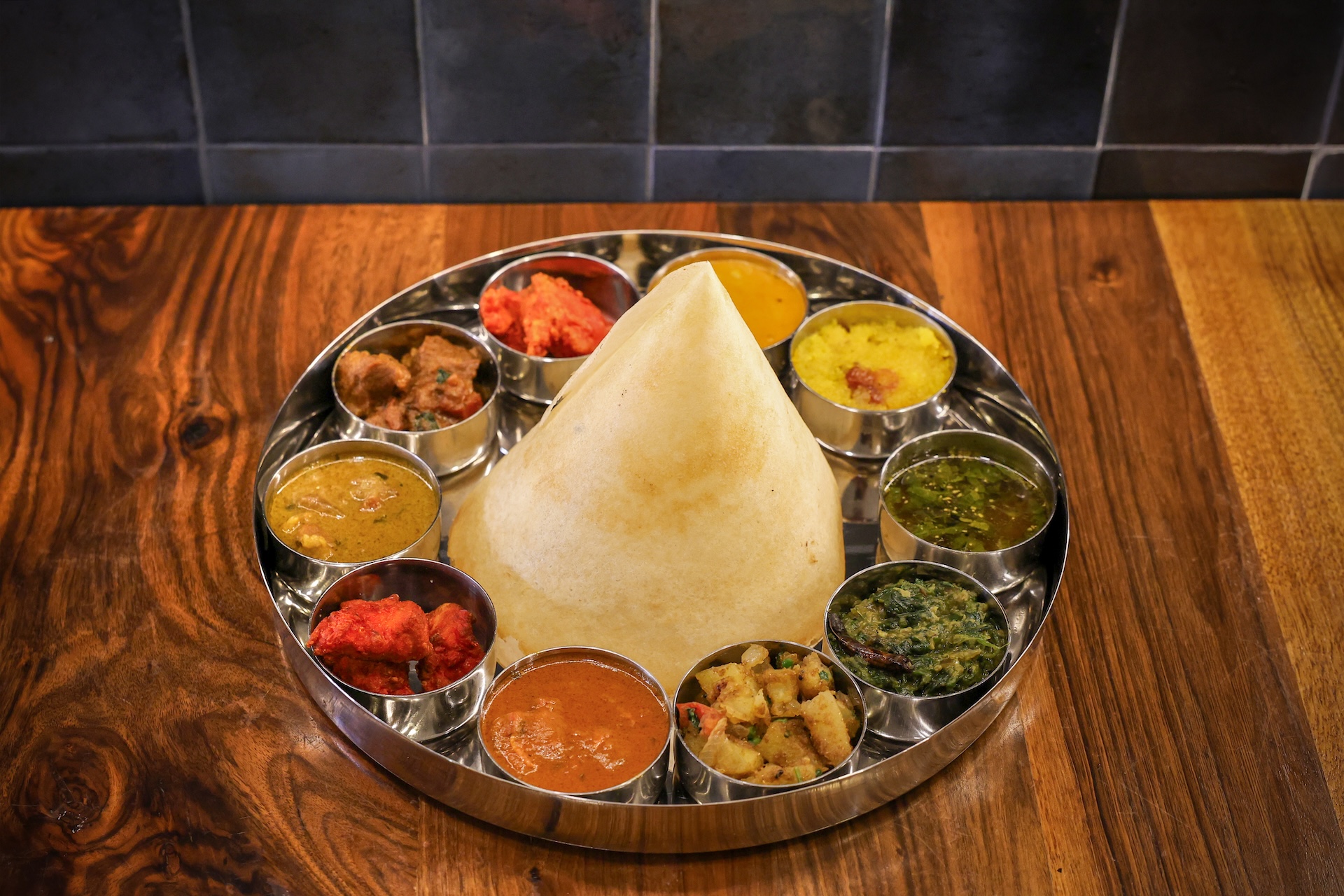
Madrid
Nilah: A South Indian Table in the Heart of Madrid
Near Plaza Mayor, Nilah brings South Indian cooking into one of Madrid’s busiest dining corridors. The menu centers on metre-long dosas, vegetarian thalis, coconut chutneys and tamarind-laced stews.
Read more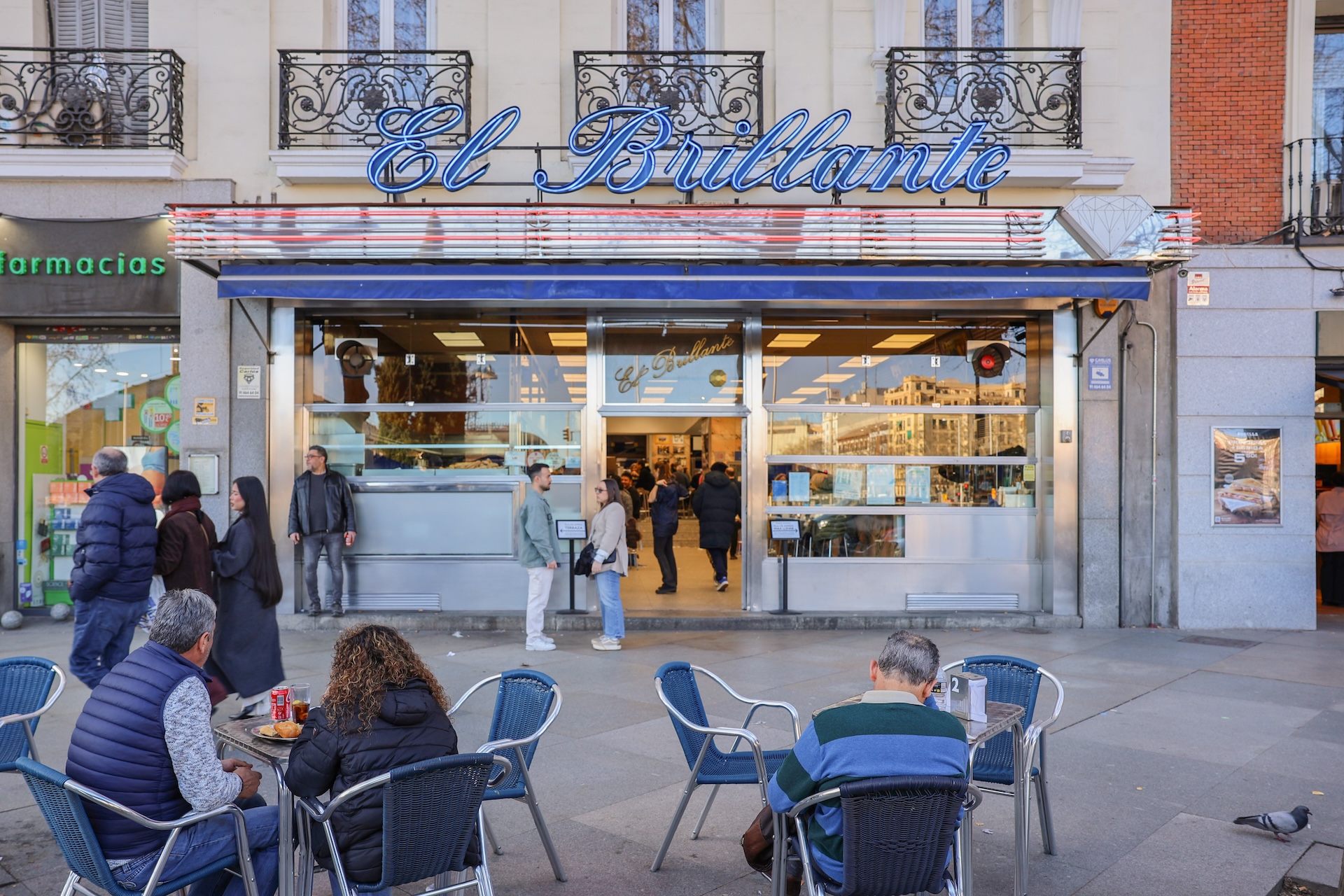
Madrid
Bar El Brillante: The Pulse of Atocha
Outside Atocha Station, Bar El Brillante keeps Madrid’s old station-bar rhythm alive with cold cañas, fast service and bocadillos de calamares hot from the fryer.
Read more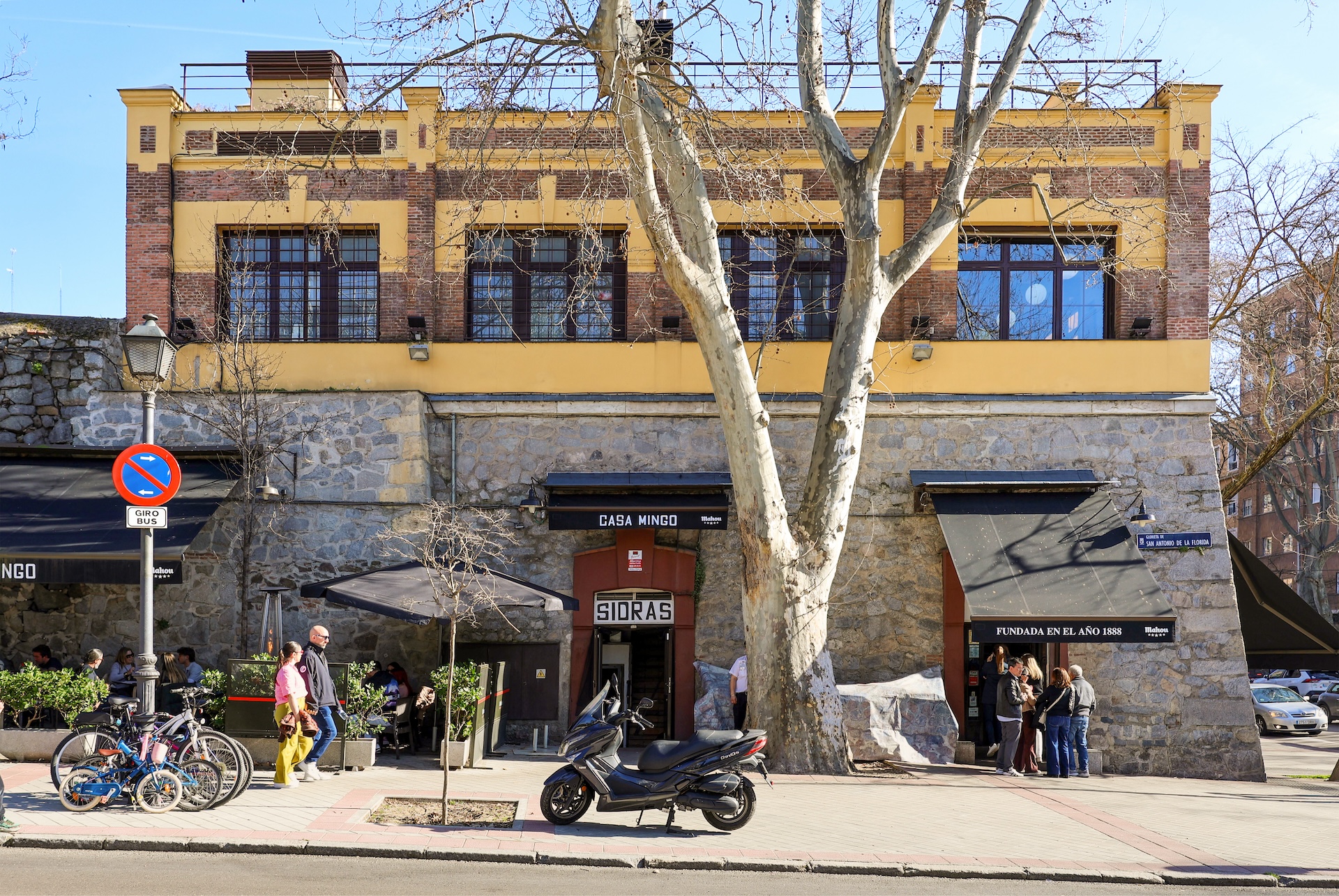
Madrid
Casa Mingo: A Madrid Classic Built on Roast Chicken and Cider
At Casa Mingo, one of Madrid’s oldest restaurants, roast chicken and Asturian cider still draw crowds to a vast, wood-paneled tavern near Príncipe Pío.
Read more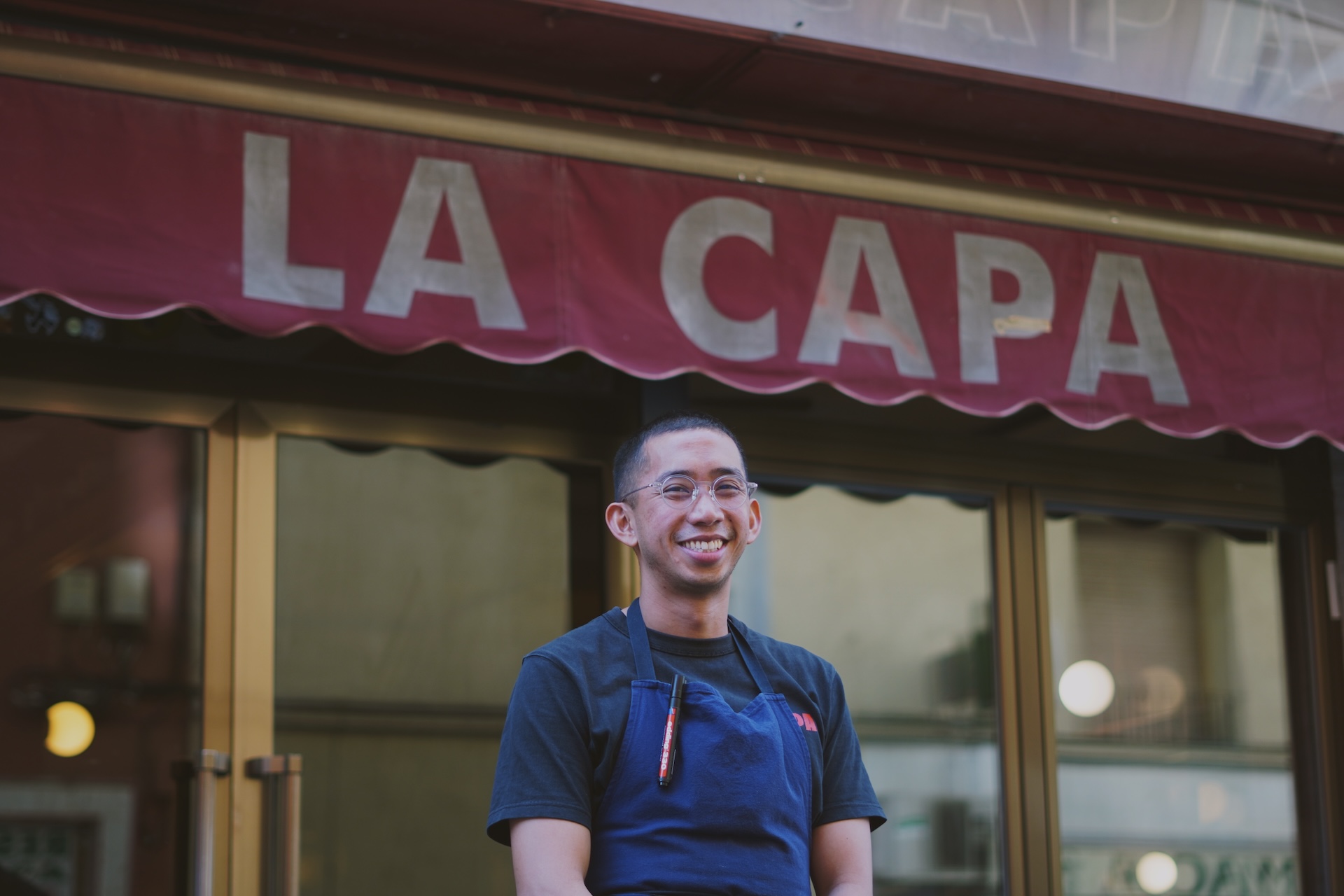
Madrid
La Capa: Where Madrid Classics Still Matter
La Capa is a Carabanchel restaurant where Madrid classics are handled with confidence, restraint, and real affection. It’s a place that honors the old bar-and-dining-room rhythm while making it feel fully alive in the present.
Read more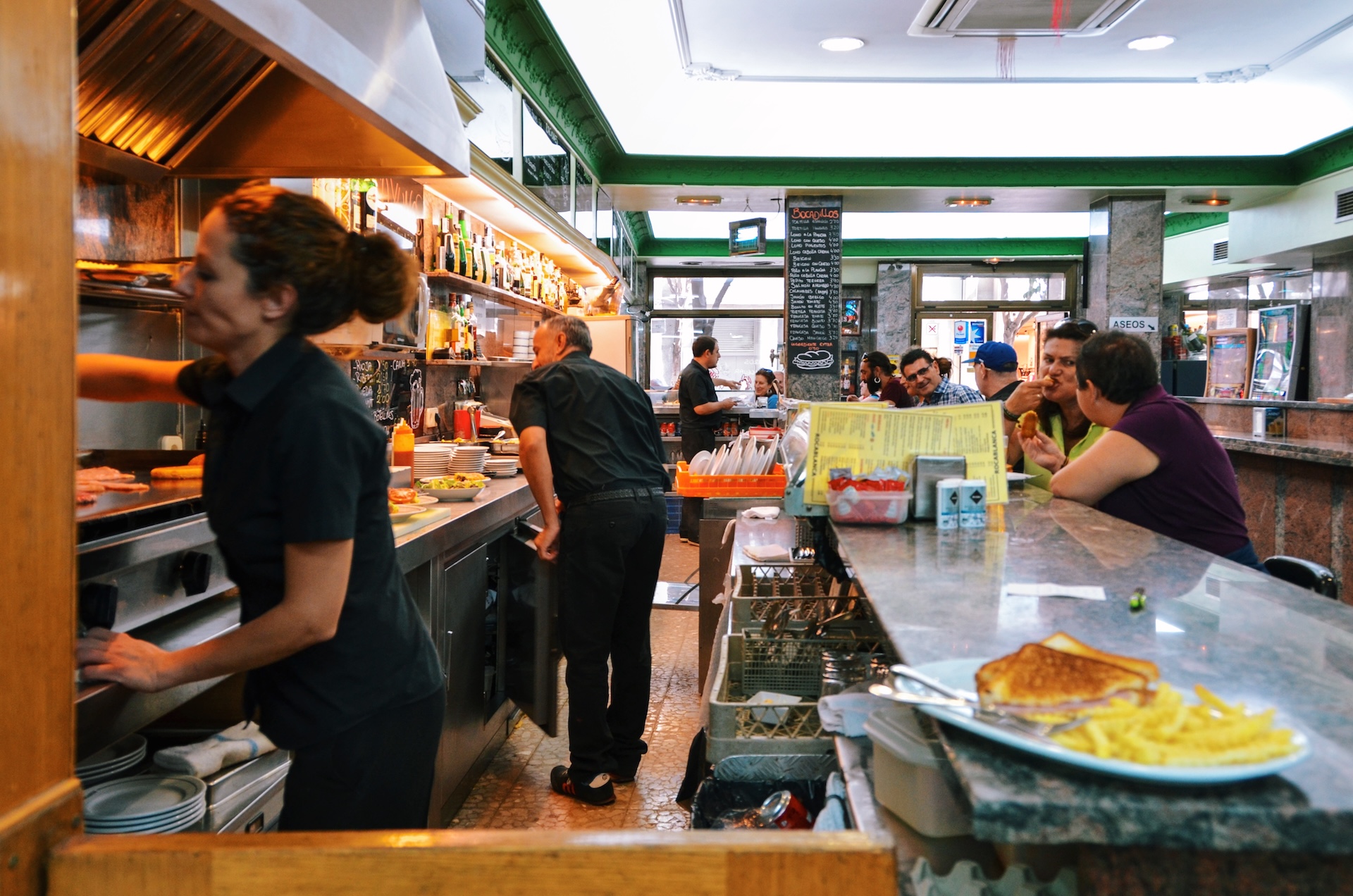
Madrid
The Anatomy of a Classic Madrid Bar
Madrid’s best classic bars thrive on atmosphere, regulars, cold drinks, and a few simple dishes done right, from torreznos to croquettes to grilled sardines.
Read more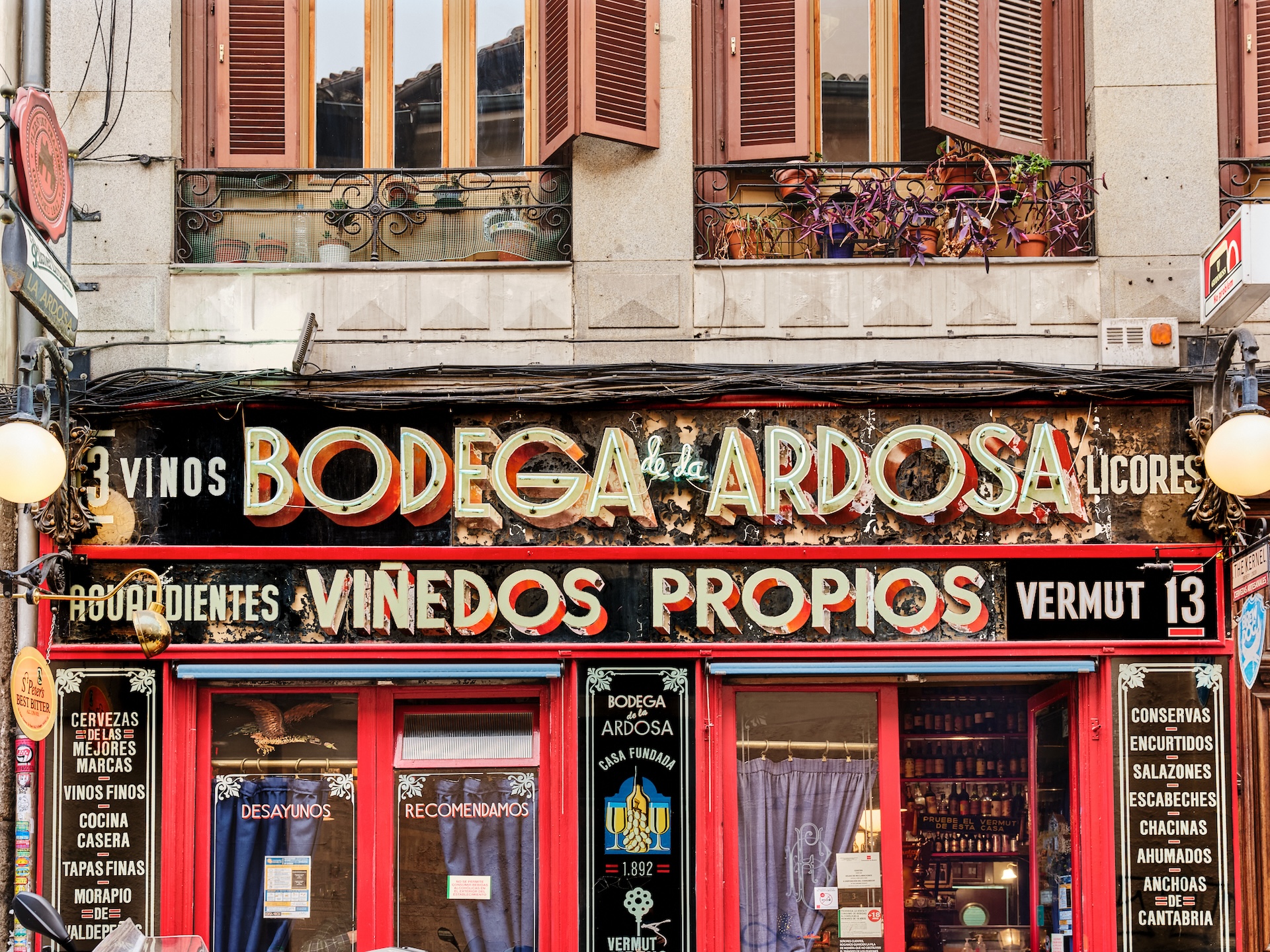
Madrid
Quick Hits: Where to Eat, Drink, and Explore in Madrid
A fast primer to Madrid’s food scene, from old-school bars and neighborhood markets to standout croquetas, wine spots, and the changing face of Chamberí.
Read more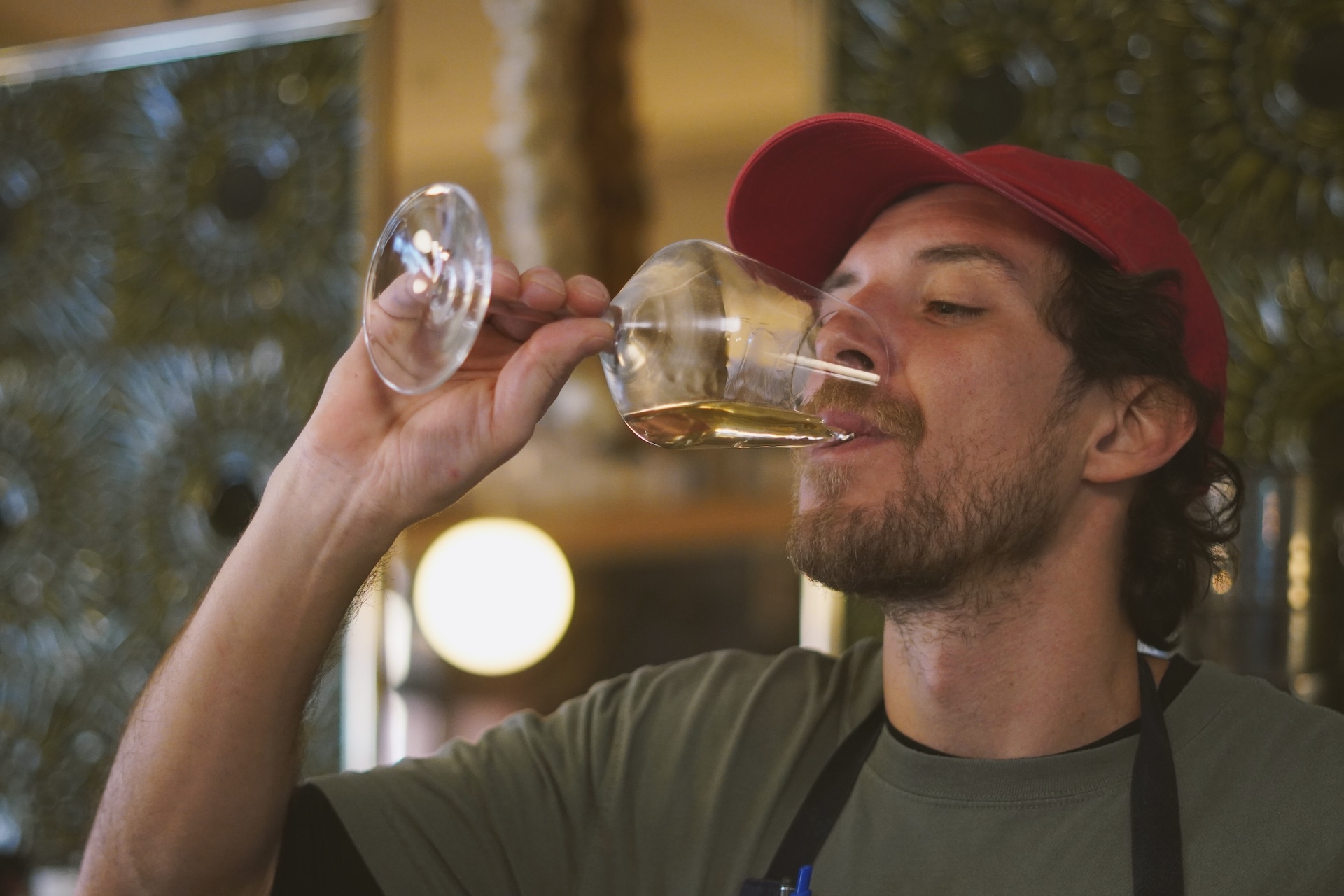
Madrid
Where to Drink Natural Wine in Madrid: A guide to the city’s best wine bars
From pioneering wine bars to cozy neighborhood spots, here’s where to drink natural wine in Madrid right now.
Read more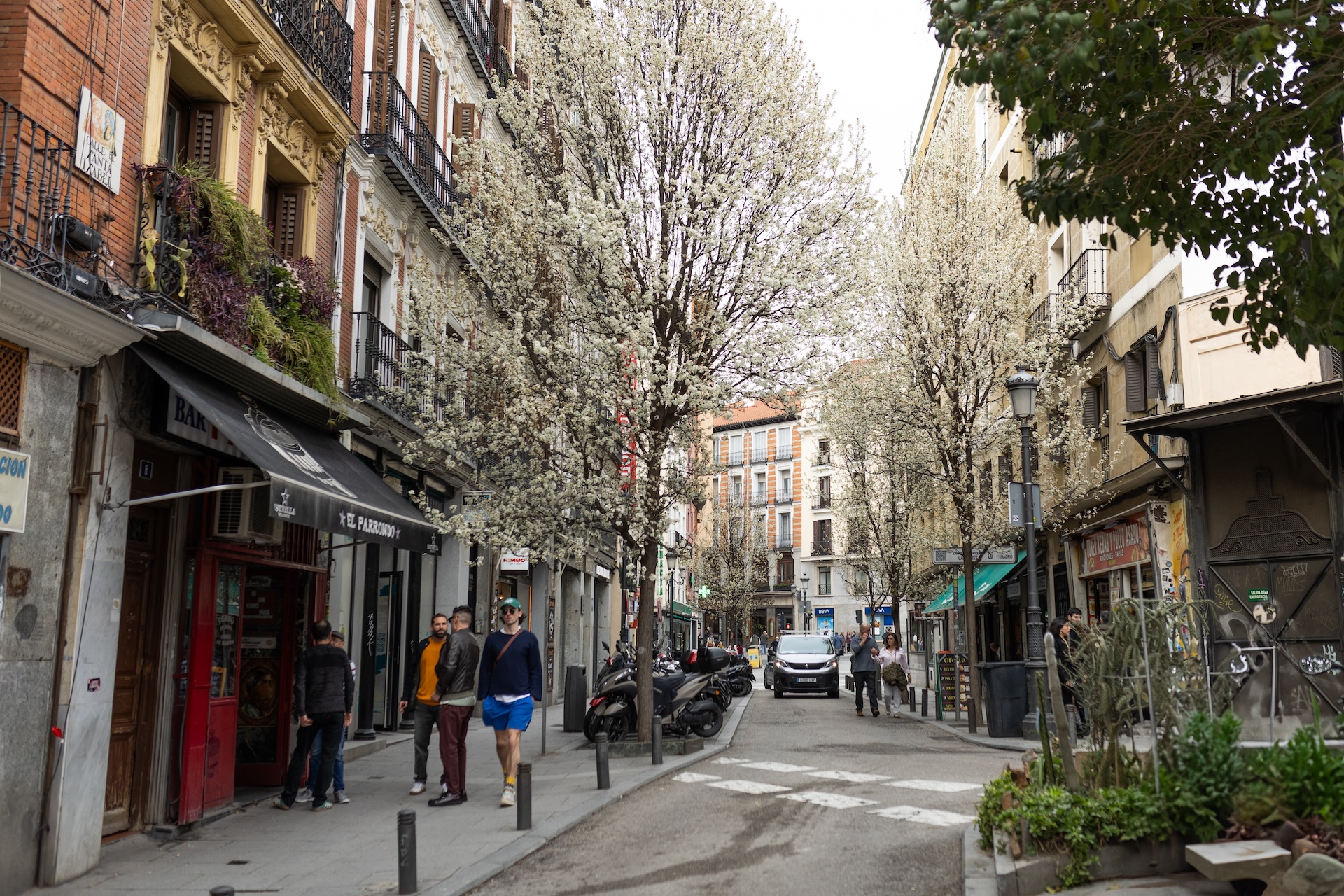
Madrid
Madrid: State of the Stomach
Madrid’s dining scene is shifting fast, but the city’s old-school bars are not disappearing without a fight. From classic tabernas to a new generation of restaurants, this is how Madrid eats now.
Read more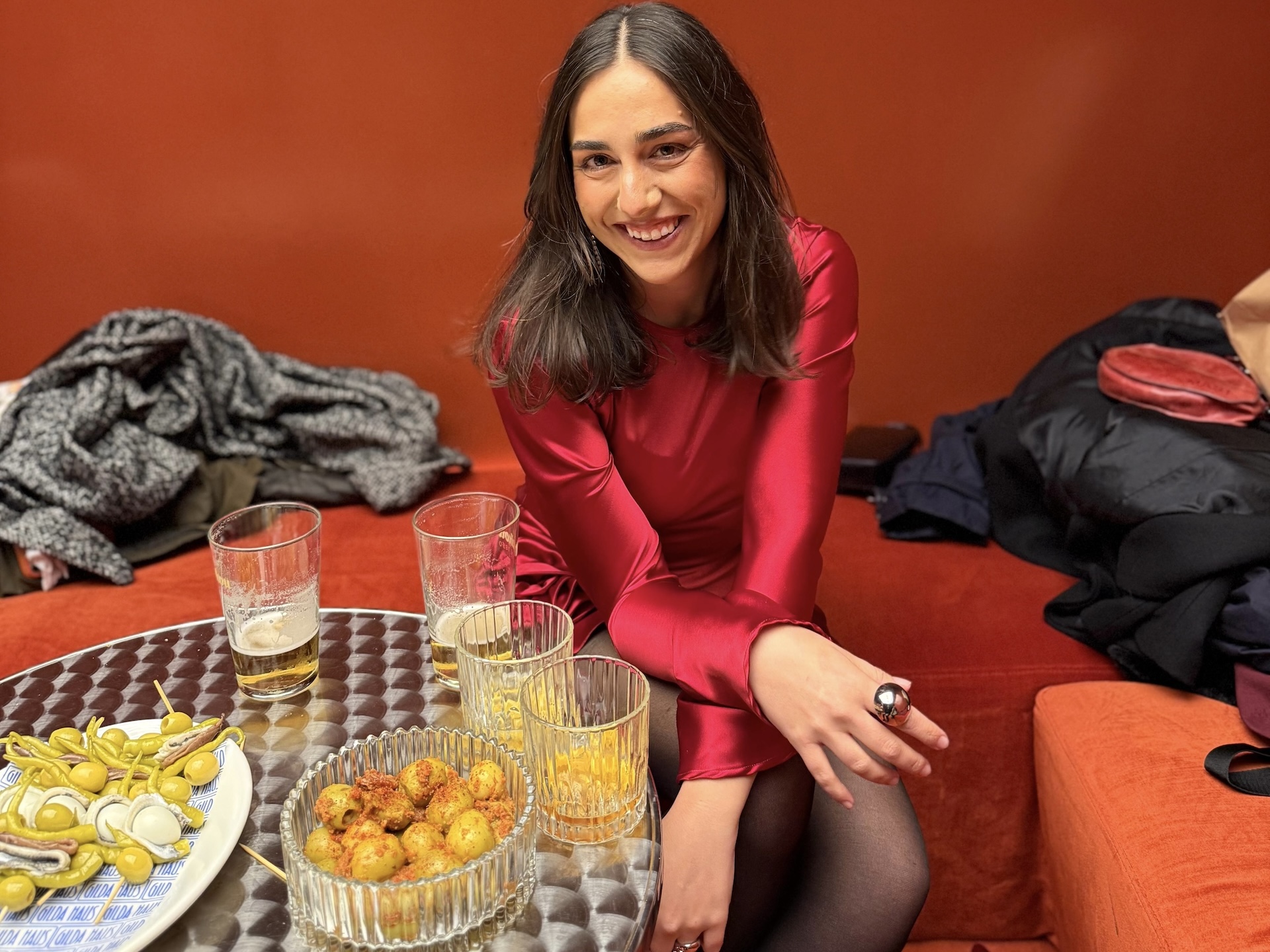
Madrid
Morning, Noon, Night: Paula Casado's Madrid
Chef and influencer Paula Casado shares her favorite spots for a perfect day of eating and drinking in Madrid, from a beloved La Latina bakery to a Uruguayan steakhouse, a creative dinner spot, and the city's best bars for vermut and late-night drinks.
Read more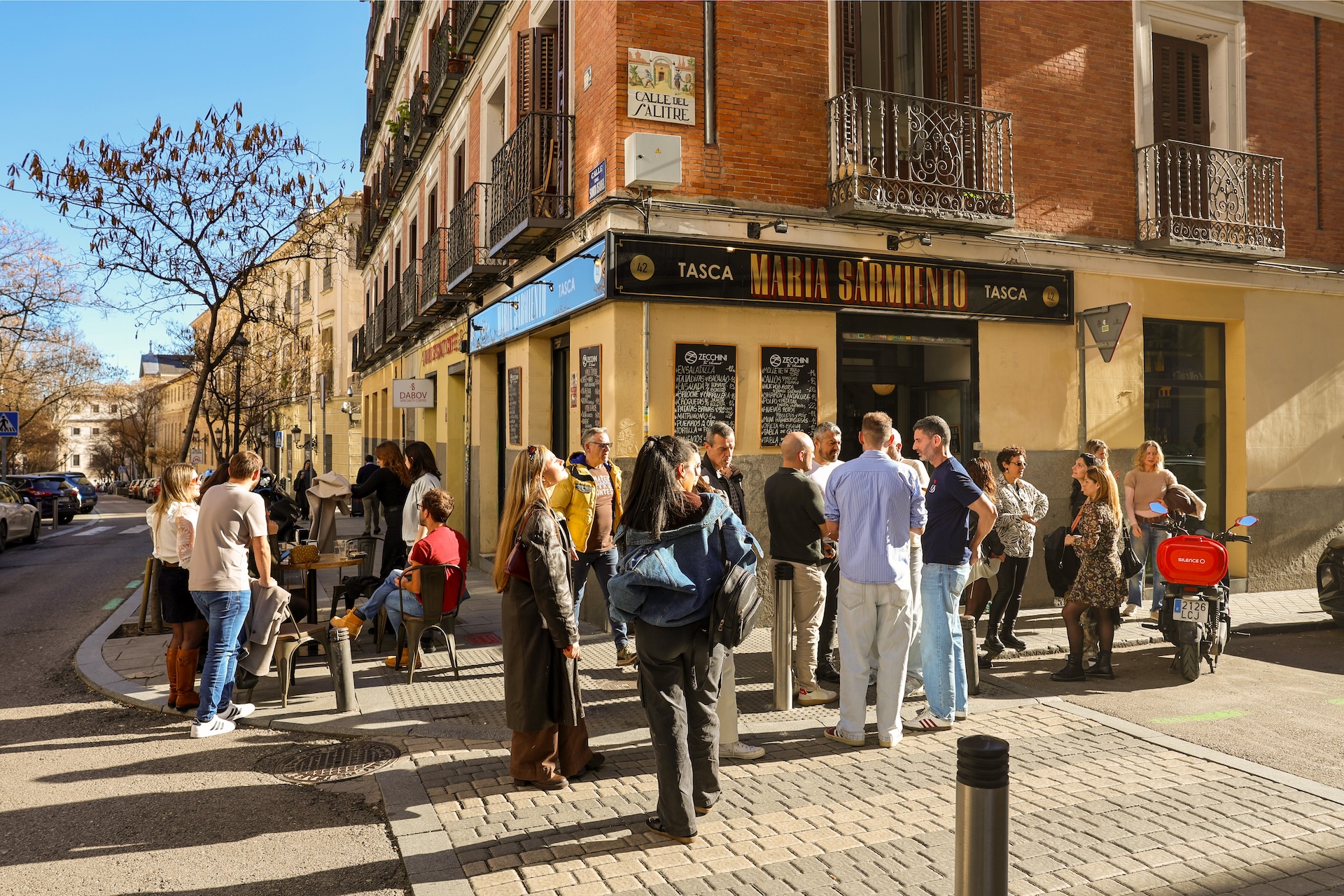
Madrid
Street Smarts: Calle Santa Isabel
A tapas crawl through Calle Santa Isabel, one of the best streets for local eats in Madrid – from Antón Martín Market to classic taverns serving bocadillo de calamares and croquetas.
Read more


Daily Dispatches from the Frontlines of Madrid
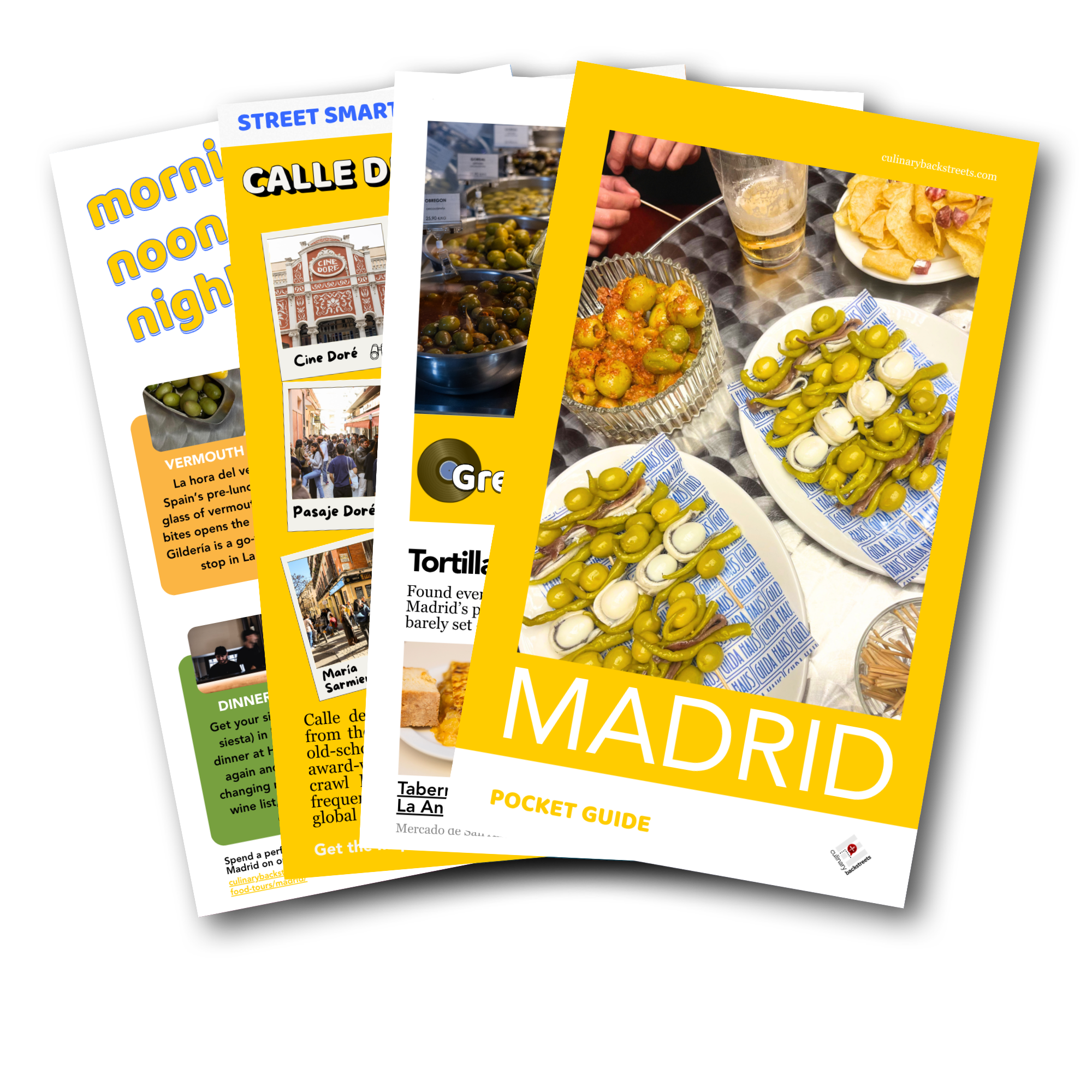
Get Your Free Madrid Pocket Guide
Introducing our pocket-sized Madrid guide — perfect for your next culinary adventure. Yours free when you sign up for our newsletter.
Get Your Free Madrid Pocket Guide
Introducing our pocket-sized Madrid guide — perfect for your next culinary adventure. Yours free when you sign up for our newsletter.
Your trips, powered by our picks
Curated Madrid Travel Boards


Culinary Backstreets® Envoys, Always Searching for the Next Hidden Gem

Andreina
Madrid Tour Leader

David
Madrid Tour Leader

Mikel
Madrid Tour Leader

Natalia
Madrid Tour Leader

Ana
Madrid Tour Leader

Ayelen
Madrid Photographer

Oliver
Madrid Correspondent

Catherine
Madrid Correspondent

Leah
Madrid Correspondent

Marta
Madrid Correspondent
Your Questions, Answered
Madrid’s cuisine is a mix of hearty Castilian staples and fresh seafood trucked in daily from the coasts. Must-try items include the bocadillo de calamar, a sandwich of fried squid in crusty bread, often eaten standing at the bar; huevos rotos, fried eggs served over potatoes, usually with chorizo or cured jam; croquetas of many varieties; and the classic cocido madrileño, a slow-cooked chickpea stew, traditionally served in stages (broth, then chickpeas and vegetables, and finally the meats. Churros and porras con chocolate are typically eaten for breakfast or late snack at a spot like San Ginés is a rite of passage. And don't forget the tortilla de patatas, every Madrileño has a fierce opinion on whose is best.
Very. Spanish culture is incredibly child-friendly. It’s normal to see kids at restaurants late into the evening. Retiro Park is a giant playground, and the Casa de Campo offers a zoo and an amusement park. The city is generally stroller-friendly, though some older metro stations still lack elevators.
For first-timers, the area around Barrio de las Letras (the Literary Quarter) is perfect: it’s central, historic, and walkable. Malasaña and Chueca are ideal for those seeking nightlife and boutique living. For a quieter, more upscale local feel, check out the Chamberí or Retiro neighborhoods.
Yes. American passport holders can enter Spain following Schengen: 90 days within 180. ETIAS from late 2026. No vaccination or testing.
Madrid is landlocked, roughly 3.5 hours from the closest Atlantic beaches (Cantabria) and 4 hours from Valencia's Mediterranean coast. Locals escape to sierra pools and river towns like Cercedilla or Buitrago del Lozoya in summer.
All three. Solo travelers thrive on the taberna culture, standing at the bar with a tapa and a glass. Families are welcome everywhere, and the classic three-hour Madrid lunch is fine with kids in tow. Groups of four to eight are ideal for a proper cocido spread or a late tapa-and-vermut crawl through La Latina.
Late. Breakfast 8 to 10 a.m. Vermouth at 12 to 1 p.m. Lunch 2 to 4 p.m. (the biggest meal). Snack (merienda) 6 to 7 p.m. Dinner 9:30 to 11 p.m. If you show up at a Madrid restaurant at 7 p.m. for dinner, you'll be the only one there.
Adolfo Suárez Madrid-Barajas (MAD) is a major aviation hub. It offers direct flights from almost every major US city via Iberia, American, and Delta, as well as easy connections to the rest of Europe and Latin America, including many budget flights.
The scene is massive, ranging from Sobrino de Botín (the world's oldest restaurant) to avant-garde Michelin stars. For an essential Madrid experience, try the tortilla and croquetas at Agarimo Cociña, the traditional dishes at El Petrusco, or the legendary tapas in barrios Las Letras (on Calle de Jesus) where you’ll find one taberna after another. Markets are another must in Madrid, with Mercado de San Miguel being the most popular, but these others being near and dear to our hearts.
Cocido madrileño (Wednesdays and Thursdays are best), callos, bocadillo de calamares near Plaza Mayor, tortilla de patatas, jamón ibérico, huevos rotos, and churros con chocolate at San Ginés at 2 a.m. Drink vermouth at 12 noon, wine (Rioja or Ribera) with the meal.
As Spain’s capital and largest city (about 3.4 million people, 6.7 million in the metro area), Madrid sits at an elevation of about 650 meters, making it the highest capital in the EU. It’s located in the exact center of the Iberian Peninsula on a high plateau known as the Meseta, about 600km from Barcelona (a 3hr train ride).
You need at least 3 to 4 days to see the main sights and eat properly. If you plan on using Madrid as a hub for day trips, the medieval walls of Ávila, the Roman aqueduct of Segovia, or the imperial history of Toledo (which we recommend), stay for a full week.
Madrid is a city of seriously good art and relentless street life. Spend a morning in the Golden Triangle of art museums (The Prado, Reina Sofía, and Thyssen-Bornemisza) before getting lost in the medieval streets of La Latina. Walk through El Retiro Park, a UNESCO World Heritage site, and visit the Royal Palace. Browse the stalls at Mercado de San Miguel or the more local Mercado de Antón Martín.
The best times to visit are April to June and September to October. During these months, the city’s famous terrazas are in full swing and the weather is mild (65°F to 75°F). July and August can be punishingly hot and dry.
Madrid has a continental climate, pleasant in spring and fall, but with bone-dry summers that can hit 100°F. The lack of humidity, though, makes the summer heat more bearable than Spain’s coastal cities. Winters are crisp, bright, and cold, while snow is rare.
Madrid is a bit of a sleeper hit for those in the know. While Barcelona leans on its seaside edge and Gaudí-given curves, Madrid’s got its high art, hidden plazas, and history you can actually touch. You don’t need to slog through crowds of tourists to spend a Sunday morning at the Rastro flea market, stand inches from Picasso’s Guernica, or watch the sunset from a literal ancient Egyptian temple. It’s a more seamless city to navigate, with a traditional, neighborhood-centric tapas culture that still feels like a local secret rather than a tourist production. Madrid’s central location and high-speed rail network also make it the only place from which you can reach nearly any other Spanish region in under three hours.
La Latina for cocido and Sunday-morning tapas along Cava Baja. Chueca for market halls and gastro-tapas. Malasaña for young-chef bistros. Chamberí for classic tabernas madrileños actually go to. Lavapiés for immigrant food (Indian, Bangladeshi, Senegalese, Filipino).
Compared to London, Paris, or New York, Madrid remains fairly affordable. As of 2026, a classic menu del día (a three-course lunch with wine) averages $17-30 depending on the zone. A caña (small beer) is about $3-4.50, a glass of wine is $3.50-7, and a specialty coffee is around $3-4.50. Tapas range from free (with a drink in some bars!), $2.50, to $8 for larger raciones. Like in other big cities, prices vary according to where you are.
Culinary Backstreets runs one food tour in Madrid, The Real Madrid: Markets, Tapas and Tradition. It's a full-day walk through La Latina, Chueca, and neighboring districts, covering cocidos, tabernas, market halls at San Fernando and Antón Martín, and the tapas circuit, led by a resident food writer.
Madrid is one of the safest capitals in Europe. Violent crime is extremely low. However, like any major tourist hub, pickpocketing is a competitive sport in high-traffic areas like Puerta del Sol, Plaza Mayor, and the Rastro flea market. Keep your bags zipped and in sight, and you’ll likely have no issues.