We can't find the internet
Attempting to reconnect
Something went wrong!
Hang in there while we get back on track

Mexico City's culinary record
Mexico City’s culinary identity is certainly changing, thanks in large part to the boom in tourism. Yet this is only the most recent factor to shape how Mexico City is eating; shifting demographics, urbanization, property development, international economic policies and the ebb and flow of crime in the city have all molded a dining scene that is, on the one hand, catering to foreign tastes while, on the other, elevating traditional Mexican cooking techniques and dishes that were considered old-fashioned. Like Mexico City itself, the Mexican capital’s food scene is caught between several opposing forces: convenience versus slow cooking, home-grown versus imported, tradition versus innovation.
Get the Full Story →Tour Mexico City with Culinary Backstreets®


discover the city, street by street, bite by bite
Mexico City
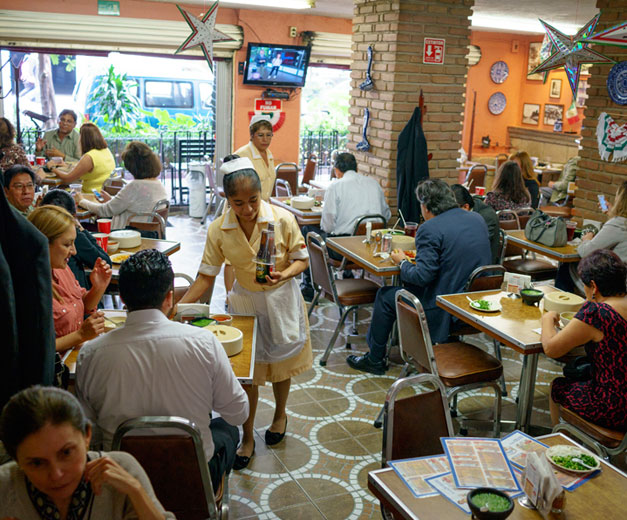
Beatricita: Taco Centenarian
In a town that runs on tacos, tacos de guisado may be the most ubiquitous version of the iconic dish in Mexico City. They can be found almost anywhere in the city, from specialty restaurants to markets, tianguis and street vendors selling them at stalls or even out of the trunk of a car. It may be an obvious point, but what distinguishes some tacos de guisado from others is how well prepared the guisados (home-style cooked meats or vegetables typically displayed and kept warm in earthenware dishes called cazuelas) are – and sometimes those coming out of the back of a car top ones from more “established” places. With so many places to choose from, how to determine who makes the best tacos de guisado in town? One contender we had long heard about is Beatricita, a brick-and-mortar taquería in the Zona Rosa that has quietly been using the same recipes to great acclaim for almost 110 years – certainly strong evidence that its guisados could be some of the best in the city.
Read more
Mexico City
Chocolate Macondo: Cacao Whisperers
Initially, it was books that led Fernando Rodriguez Delgado to his interest in cacao. Today Rodriguez runs Chocolate Macondo, a café that specializes in ancient preparations of cacao, but prior to that he was a bookseller, fanatical about reading and fascinated by the history of Mexico. The day that he came across the Florentine Codex, a 16th-century manuscript documenting Mesoamerican culture, was an important one: it would eventually spark his countrywide search to discover the traditions of cacao and seek out ingredients, the names of which he only knew in Nahuatl. Rodriguez didn’t speak this native language of Mexico, so trying to work out the recipes for cacao drinks he found in the codex was no easy task.
Read more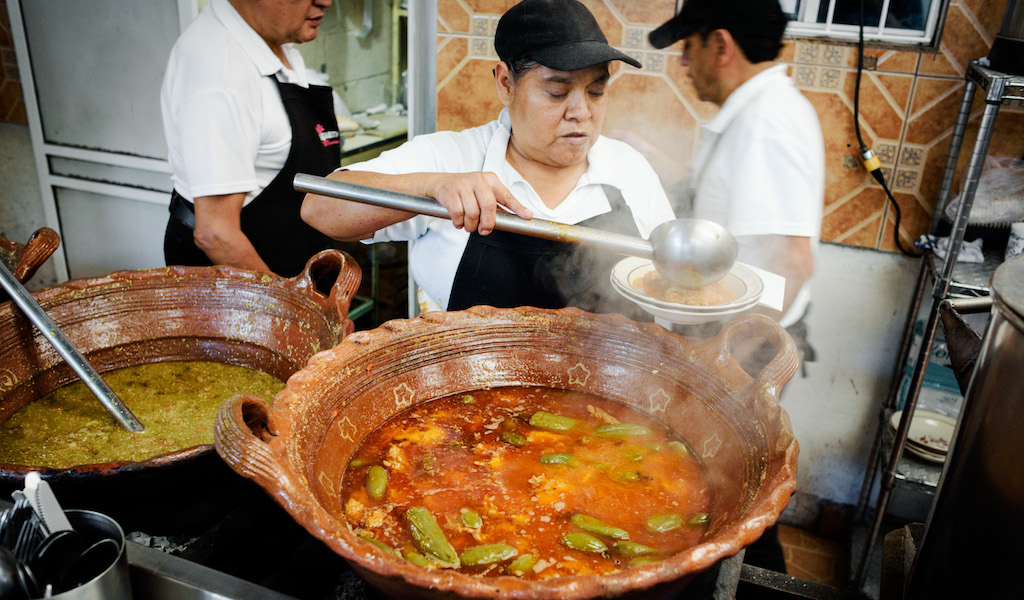
Mexico City
Fonda Margarita: Pilgrimage Site
With a simple façade, the unassuming Fonda Margarita sits next to a carwash and wouldn’t attract much attention if it weren’t for the line out the door and around the block by the time it opens at 5:30 a.m. Construction workers come at the crack of dawn, office workers arrive in shifts and sleepy teenagers meander in just before they close at 11 a.m. “We’re traditional,” says owner Richard Castillo when we ask him why his restaurant, which only serves breakfast, is so popular, “and there aren’t many traditional places left in Mexico City. We still cook using clay pots and 100 percent coal-fired grills.”
Read more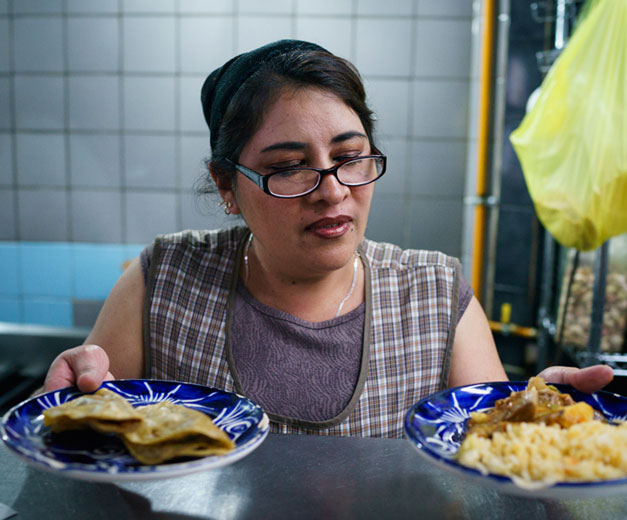
Mexico City
El Dux de Venecia: The Dukes of Bar Food
Visiting establishments with a lot of history always warms the cockles of our heart – even more so when that establishment is the oldest surviving cantina in the city. El Dux de Venecia didn’t start out as a cantina, but it became a drinking establishment in Azcapotzalco – a farming community that became part of Mexico City in the 1940s – during the Mexican revolution and has remained an important part of the neighborhood ever since. The story goes that an Italian traveler decided to open a grocery store at the end of the 19th century. He named it El Dux de Venecia (The Doges of Venice) because he was originally from that Italian city. He offered all kinds of imported products from Europe as well as local ones, including deli meats, bread and alcohol. Because some customers consumed these items in the shop, the owner installed chairs and tables for their comfort.
Read more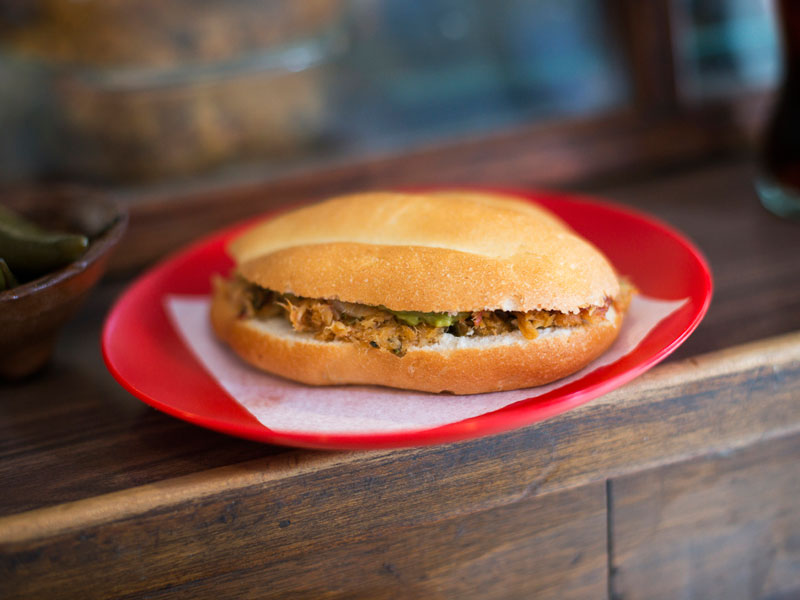
Mexico City
Tortas La Texcocana: Size Isn't Everything
It is not hubris to say you have the best tortas (Mexican sandwich) in town when you have been serving them for more than 80 years. Take Tortas La Texcocana, which has been serving the delicious sandwiches in Mexico City since the early 1930s – their longevity suggests an unsurpassable skill for sandwich-making. The business was founded by León Sánchez, a Texcoco native, in downtown Mexico City. He started selling sardine tortas to newspaper workers on the street. In 1936, he established a small shop that sold various items, his famous tortas among them. Tortas La Texcocana is in the same venue where Sánchez set up his shop many decades ago.
Read more
Mexico City
Los Parados de Don Pepe: Taco Grande
In our recent explorations of Mexico City’s Azcapotzalco neighborhood, we were taken to a taquería that was going to “blow our minds,” according to our host. After having some drinks at El Dux de Venecia, the oldest surviving cantina in the city, we headed around the corner to Los Parados de Pepe for a visit.
Read more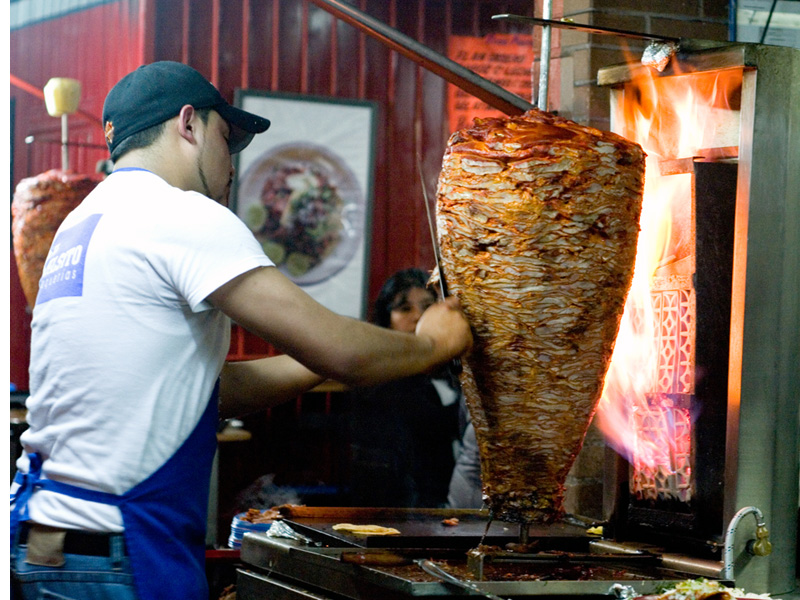
Mexico City
El Vilsito: The Taco Garage
In Mexico, small business owners and entrepreneurs often display high levels of ingenuity. Take the case of El Vilsito, a taquería in the Narvarte neighborhood that does double duty as an auto repair shop.
Read more
Mexico City
La Dulcería de Celaya: Sweets Central
Mexican sweets might not be as world-famous as those from the U.S., France or Switzerland, but judging by the enormous variety of pastry, candy and chocolate made and consumed domestically, Mexicans have an insatiable sweet tooth. And chocolate, of course, is one of Mexico’s gifts to the world.
Read more


Daily Dispatches from the Frontlines of Mexico City



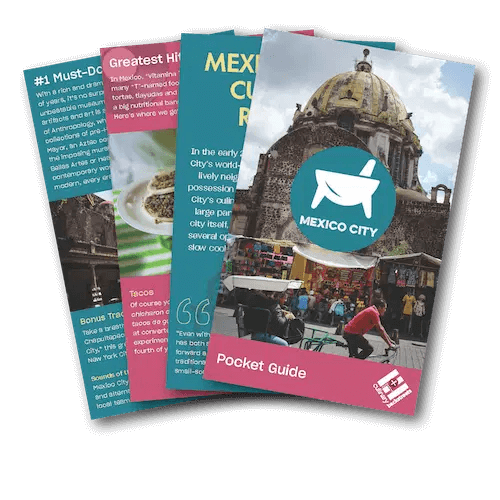
Get Your Free Mexico City Pocket Guide
Introducing our pocket-sized Mexico City guide — perfect for your next culinary adventure. Yours free when you sign up for our newsletter.
Get Your Free Mexico City Pocket Guide
Introducing our pocket-sized Mexico City guide — perfect for your next culinary adventure. Yours free when you sign up for our newsletter.
Immersive Multi-Day Journeys In and Around the World’s Culinary Capitals





Your trips, powered by our picks
Curated Mexico City Travel Boards


Visual Dispatches from the Frontlines of Local Eating
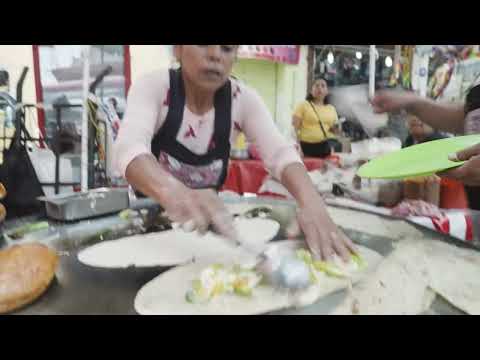
Discover Culinary Backstreets of Mexico City
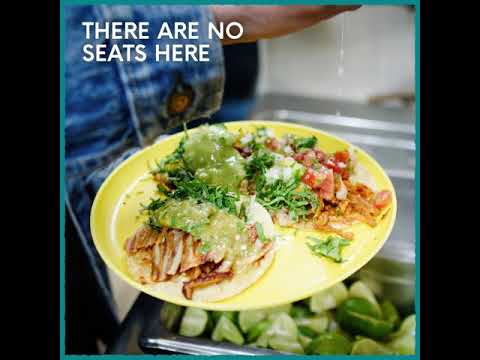
No Seats Required
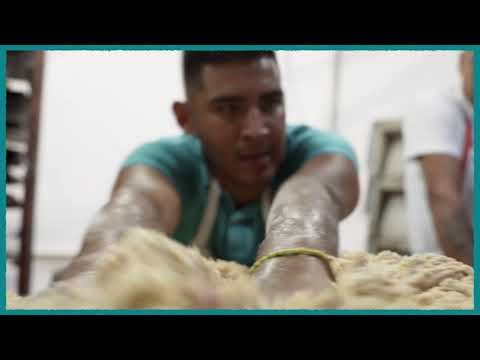
Jamaica Market’s Pop-Up Pan de Muerto Stands

Culinary Backstreets Visits: El Vilsito, Mexico City's "Taco Garage"
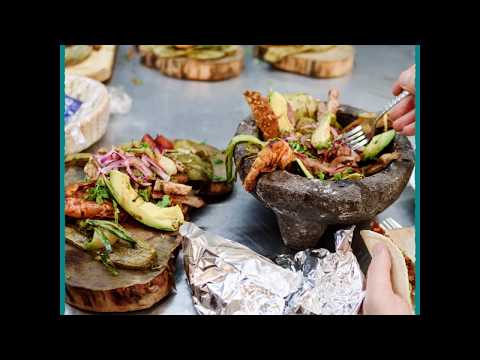
Exploring Mexico City, Layer by Layer
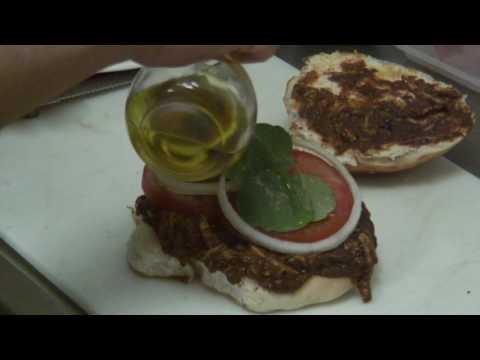
Culinary Backstreets Visits Mexico City's Angelopolitano
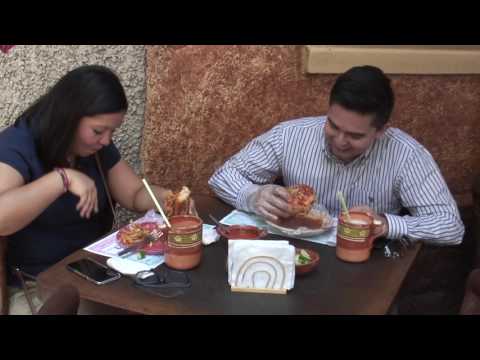
CB Visits: Mexico City's El Pialadero de Guadalajara
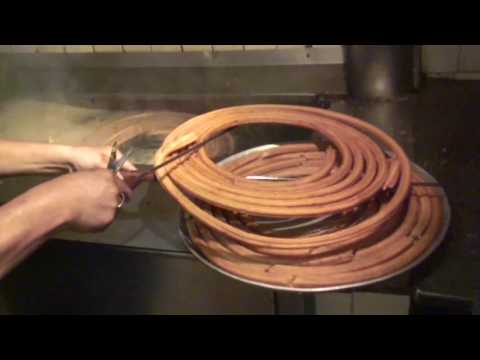
Culinary Backstreets Visits: El Moro in Mexico City
Culinary Backstreets Visits: La Secina in Mexico City
Culinary Backstreets Visits: Tacos Manolo in Mexico City
Culinary Backstreets Visits: Tacos Beto in Mexico City
Culinary Backstreets Visits: Lety in Mexico City's Desierto de los Leones
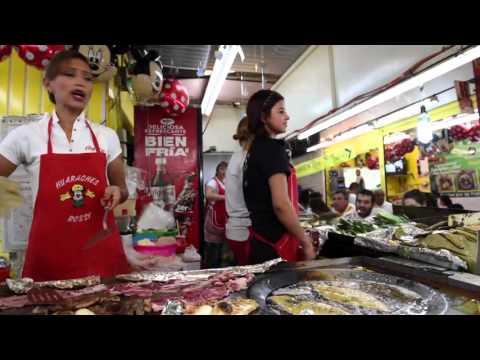
Culinary Backstreets Visits: Huaraches Rossy in Mexico City's Mercado Jamaica
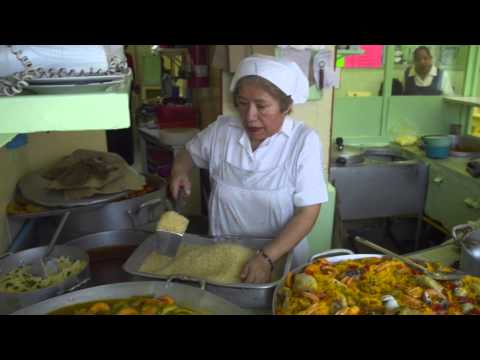
Mexico City's Most Famous Paella
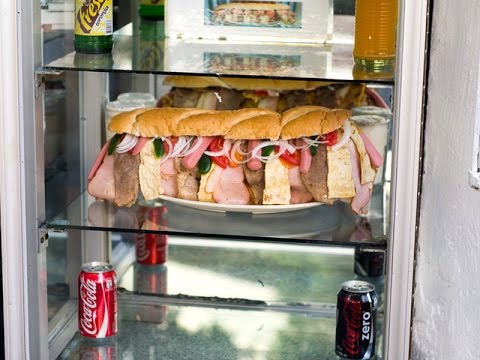
Culinary Backstreets Visits: Mexico City's El Cuadrilátero for super-sized tortas

A Tour of the Farms of Xochimilco
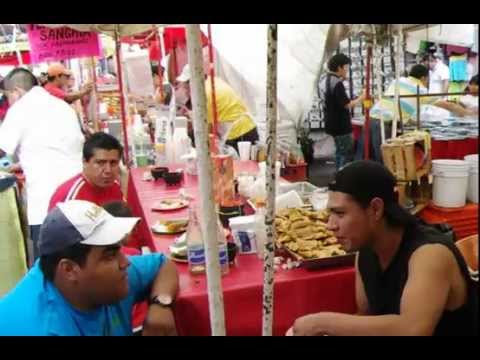
Sullivan Market in Mexico City
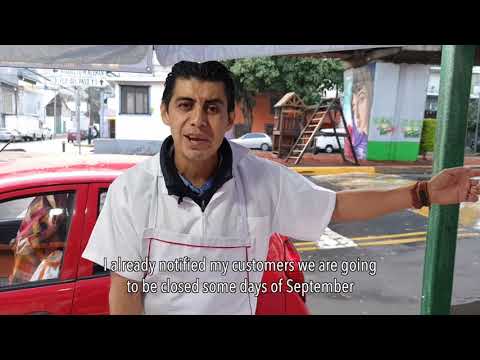
Tamales Tere: Back in the Ring
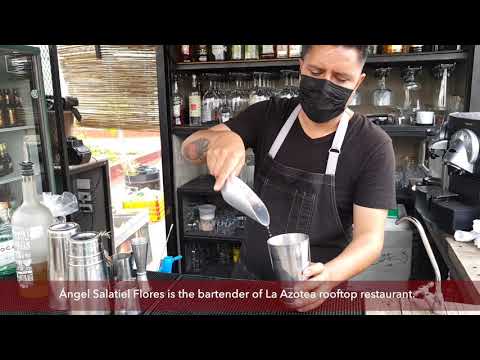
Mezcalina de Toledo HD
Culinary Backstreets® Envoys, Always Searching for the Next Hidden Gem

Paco
Mexico City Lead Guide

Victor
Tour Leader

Liz
Mexico City Tour Leader

Ignacio (Nacho)
Tour Leader

Ana
Tour Leader

Raúl
Food Tour Leader

Jacinto
Tour Leader

Eduardo
Food Tour Leader

PJ
Mexico City Photographer

Julian
Food Tour Leader

Rigel
Mexico City Tour Leader
Your Questions, Answered
There are three areas that are the best places to stay in Mexico City. Centro Histórico is best if it is your first time in the city. Roma and Condesa are trendier areas where you will find parks, restaurants lining the street, galleries and a thriving night life. Polanco is also a nice neighborhood to consider for more high-end accommodation.
Yes. Visa-free for tourism up to 180 days with an FMM tourist permit issued on entry. No vaccination or testing.
Mexico City, the capital of Mexico, is located in the Valley of Mexico (Valle de México), a large valley nestled into the high plateaus in the center of the country, at an altitude of 7,350 ft (2,240 m). The city has 16 subdivisions colloquially known as alcaldías, or boroughs.
Mexico City is the country’s economic and cultural hub, with more than 100 museums and a great deal of art, including massive concerts, the opera and the National Folk Ballet. It has beautiful parks, like Chapultepec, which is twice as big as New York City’s Central Park. The markets are full of life and great food. You may also want to navigate the floating gardens of Xochimilco, a UNESCO World Heritage Site.
Mexico City has a subtropical highland climate due to its tropical location but high elevation.It is generally warm and pleasant during the day, and cools down at night. In fact, the daily temperature range is remarkable, especially in the dry season. In May, the warmest month, this is between 80 and 55 F, and in January, the coolest, the range is 72 to 47 F.
Tacos are king in the Mexico City street food scene, and pastor and suadero are the most popular varieties. Then there are antojitos or snacks/bites, that can be enjoyed at different hours of the day. Look for atole and tamales, gorditas, tlacoyos, pambazos, tortas and quesadillas.
The best time to visit Mexico City is between March and May, even though the streets are pretty crowded this time of year. Your trade-off is beautiful weather, especially considering the city’s winters can be chilly and the summers can be rainy.
Tourism to Mexico City is common and frequent, and it is safe in well-traversed areas, though petty crime can occur – as in most cities around the world. Use additional caution, particularly at night, outside of the frequented tourist areas where police and security patrol more routinely.
Mexico City is inland at 2,240 meters altitude. Closest beaches are Acapulco (4 hours by car), Veracruz (5 hours), and Puerto Vallarta or the Oaxaca coast (1-hour flight). Many travelers pair CDMX with a Oaxaca or Yucatán trip
Crowds can make navigating the city a bit tricky in busy areas, but in general Mexico City is a great destination for those traveling with kids. The many parks, museums, play areas and tasty treats give children much to experience.
Five to seven days. CDMX is the world's most exciting food city right now and one week barely covers it. Plan: two days for street food and mercados (San Juan, Mercado Medellín, Merced), two for the modern Mexican revolution (Roma, Condesa, Polanco), one for cantina-and-pulquería tradition, one for a Xochimilco boat trip or Coyoacán day.
Roma and Condesa for modern Mexican and international. Centro Histórico for cantinas, mercados, and old-school torterías. San Rafael for immigrant food (Lebanese, Spanish). Coyoacán for tostadas and traditional. Mercado San Juan for exotic ingredients and quick lunches.
You can fly directly to Mexico City from many locations worldwide. Benito Juárez International Airport is Mexico’s main airport hub, and is about 3 miles from Mexico City’s center. Felipe Ángeles International Airport is a second, newer airport serving Mexico City, with only domestic flights at the moment. It is about 30 miles from the center of Mexico City, in Zumpango.
Some of our favorite restaurants in Mexico City include: Quintonil for traditional fare, anything at Azul Histórico, and Barbacoa Renatos for barbacoa. Then there are institutions like Nicos and El Cardenal, which are always a sure bet.
Culinary Backstreets runs five tours in Mexico City. The Great Flavor Migration: How Mexico City Was Made traces the immigrant traditions (Lebanese, Chinese, Spanish, Basque) that shaped chilango cooking. Culinary Secrets of the Centro Histórico is the downtown market-and-cantina classic. Xochimilco Farm Feast heads to the chinampa canals for a farm-and-boat lunch. The City Green: Exploring the Urban Eco-Reserve of Xochimilco is a sister tour focused on the ecological side of the same district. Azcapotzalco: Mexico City's Culinary Kaleidoscope goes into a working-class north-side neighborhood most food tours never touch.
All three, and one of the best in the world for solo travelers. The taco stand and torta counter culture is built for single diners eating standing up. Families are welcome everywhere and kids adjust well to Mexican meal timing. Groups of six or more can book a proper cantina spread, a Xochimilco trajinera lunch, or a chinampa farm dinner.
Different, not comparable. CDMX is where every regional Mexican cuisine converges plus a global modern scene. Oaxaca is the deepest single-region cuisine in the country: moles, mezcal, tlayudas, and pre-Hispanic ingredients. Do both, CDMX first for breadth, Oaxaca after for depth.
Al pastor tacos from a trompo, tacos de guisado from a stand, a proper mole (Puebla-style or the CDMX version), tlacoyos, chilaquiles for breakfast, esquites, tamales oaxaqueños at Mercado Medellín, and pan de muerto in season (October to November).