Latest Stories

Vyrinis

Behind 2,340-year-old Kallimarmaro Stadium, located in the picturesque area of Athens between Mets and Pagrati, lies a scene that would not be out of place in a provincial city: small neighborhoods, old houses, hilly roads, stray cats, a couple of abandoned houses and old taverns. Among the last, we love Vyrinis, which is especially old and now in the hands of the third generation of the same family. The restaurant has been renovated and updated but still retains some elements of the old tavern, such as the huge wine casks that serve as decoration and the small backyard. Here, young and old contentedly intermingle, and the friendly, always smiling waiters add to the cozy, welcoming atmosphere.

Elixir Health Pot

Healthy hotpot sounds like a contradiction in terms, which is probably why Elixir doesn’t even use “hotpot” in its name. Instead it labels itself “health pot” in English, or无老锅 (wúlǎoguō - “No Aging Pot”) in Chinese. Its fountain-of-youth claims are touted by celebrities across Asia, from Mando-Pop’s reigning dancing queen Jolin Tsai to K-Pop crossover star Choi Siwon. Originally from Taiwan, an island that has been ruled by both the Chinese and Japanese in the past century, the restaurant pulls from both Asian countries’ delicious hotpot cultures and holistic medicine traditions to create its menu.

Çiya Sofrası

For us, one of the highlights of spring in Istanbul is a visit to Çiya Sofrası, the Asian-side eatery that is very likely the best restaurant in Istanbul. It’s certainly not the fanciest or most cutting-edge place in town, but we rarely leave Çiya without having a profoundly new and memorable taste experience. Thanks to glowing write-ups in numerous other places, Çiya – along with a sister restaurant across the street serving excellent kebabs – is no longer the off-the-beaten-path secret it once was. But the restaurant – located on a quiet, pedestrian-only street in the Kadıköy neighborhood’s bazaar – has remained true to what has made it successful in the first place.

Everyday is Fry-Day

Churros, the long, skinny, crenellated, sweet fried crullers made from just flour, water and salt, have been enjoyed for centuries in Spain, with hot chocolate and without. However, in Barcelona, xurros, as they are called in Catalan, are becoming an endangered species. In recent years, more than half of the xurrerias in the city have disappeared. Many of the old-timer xurreros who still survive have the odds stacked against them: permit renewal for a street stall is near impossible; rent has become prohibitively expensive and continues to increase; or required updates to old infrastructure might prove extremely costly. However, we know of one young newcomer who has emerged with fresh energy and inspiration, incorporating lessons from the masters in his creative take on xurros. The best way to save this endangered species is to eat it, so here are our five favorite xurrerias, which make these star-shaped doughnuts with great care – and with delicious results that are worth seeking out.
A San Kao Ya

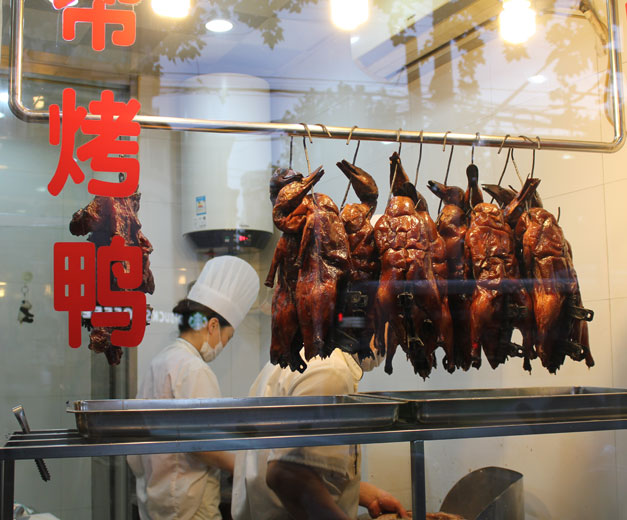
At Culinary Backstreets Shanghai, we’ve already raved about the delicious regional varieties of roast duck – from local Huaiyang birds to the imperial Peking to shāo wèi (烧味), or Cantonese-style. While they each have their own unique breed of deliciousness, we are particular fans of A San’s fusion version.

Take to the Streets

Carnival in Brazil can be traced back to the 17th century, when the colonial-era population threw street parties, collectively called the entrudo, which involved pelting each other with lemon-scented water. (The governor of Rio de Janeiro tried to ban such raucousness in 1604, but the party lived on.) Throughout the colonial period, Brazil’s lower classes and slaves were the protagonists of street carnival, often imitating the dress and mannerisms of the elite. The entrudo continued, with irreverent (or was it inebriated?) revelers sometimes substituting urine and feces for the scented water in the spirited street parties.

Boukia & Syhorio

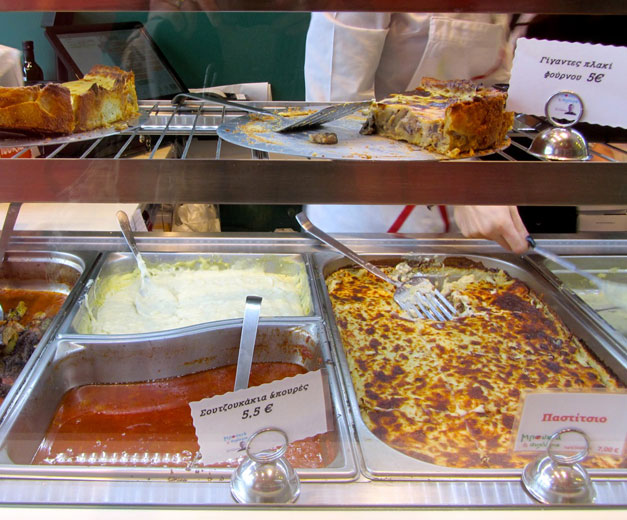
In this time of crisis, the only growth industry in Greece seems to be food. New restaurants, cafés, upscale souvlaki joints, bakeries, shops specializing in traditional products, patisseries, tapas bars, artisanal pizzerias, frozen yogurt, hot dog and crepe stands open every day all over Athens. So it shouldn’t be news when yet another takeaway in the northern suburbs joins them.

The Salepçi of Sütçüler

By the name of the place, you’d expect the Sütçüler (“Milkmen” in English) district near Isparta in southern Turkey to be a dairyland paradise, thick on the ground with men carrying buckets sloshing fresh milk, cheese wheels stacked in cool dark sheds, verdant hills freckled with cows. But there are no milkmen in Sütçüler, at least not in the wintertime. The area’s name actually has nothing to do with anything going on in Sütçüler itself.

Mezcalerías

Editor's note: For our last stop on CB's Global Bar Crawl this week, we're pulling up a stool at our favorite mezcal bars in Mexico City, kicking back and savoring every last drop. Para todo mal, mezcal. Para todo bien, también. Y si no tiene remedio, tómate litro y medio. For everything bad, mezcal. For everything good, the same. And if that doesn’t help, drink a liter and a half. – Popular saying among mezcal lovers.

Barba

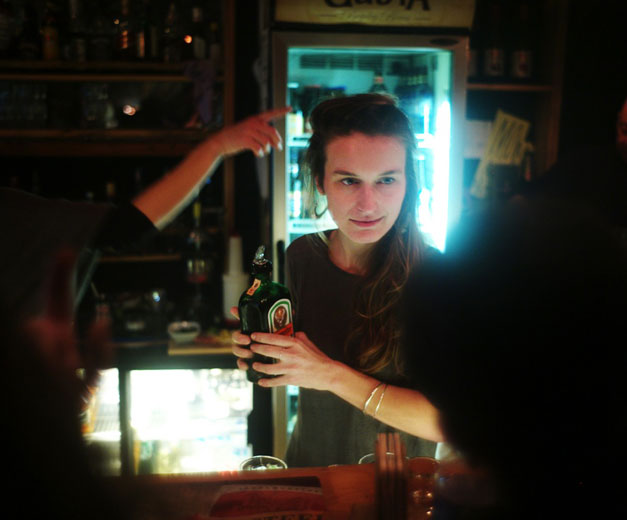
Editor's note: We're going on a Global Bar Crawl this week, and today we're stopping at a building in Istanbul that has five floors of bars and clubs. Tomorrow we head to Mexico City for some mezcal. We like to think of the building at the corner of Sakız Ağacı Caddesi and Küçük Bayram Sokak as the mullet of the Beyoğlu neighborhood’s entertainment venues – out front is a tidy, little Armenian Catholic church, but in the back, it’s a wild and tangled mess of a party.

Barcelona's Gintonics

Editor's note: Our third installment in the Global Bar Crawl takes us to Barcelona, where gin continues to be the drink of choice among locals. Tomorrow we head to a spot in Istanbul where you can spend an evening visiting a number of bars, all without leaving the building. Spain is a country that loves a long-drink – alcohol in combination with a soft drink, refreshing and open to invention and reinvention. On the heels of creative gastronomy’s efflorescence in recent years, many old drinks, cuisines and forgotten ingredients have returned, revived through new and more sophisticated techniques and interpretations. The gin and tonic, called gintonic here, is one such Spanish obsession, and all that ingenuity and focus have gone into taking this highball to the next level.

Galaxy and Au Revoir

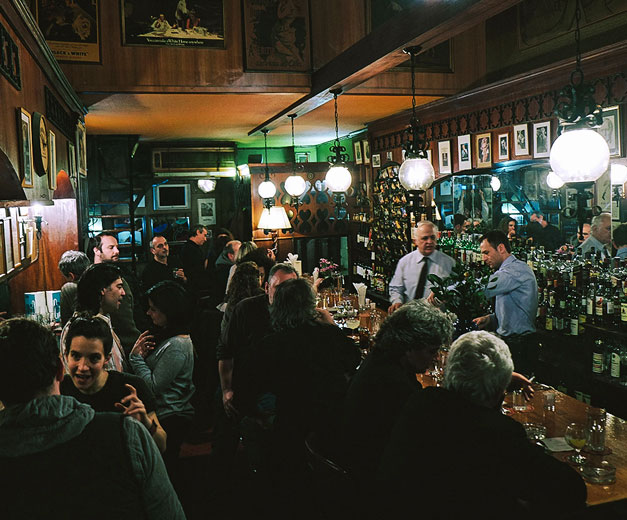
Editor's note: Our second stop on CB's Global Bar Crawl is in Athens, where two classic old watering holes have been tending to the drinking needs of locals for decades. If there’s one realm in which Athens has improved by leaps and bounds since the economic crisis began, it may very well be the city’s bar scene. Perhaps this can be attributed to a sense of nihilism or an uncertain future, but Athens has never had so much to offer in terms of drinking. From theme bars specializing in meatballs and cocktails to boîtes with a different DJ every night to converted bistros in former fabric shops, the list of venues is endless and endlessly varied.

Zübeyir

Finding a kebab restaurant in Istanbul is not hard. There must be thousands of them. But finding the right kind of place, especially if you want to make it a bit more of a meal, can be surprisingly difficult. Most kebab joints tend to be no-frills, in-and-out places. Some are very good (and we will review a few in the future), but they don't make for a night out. On the other hand, some of nicer places – where you can find a more extensive menu and, more importantly, drink booze with your dinner – take things too far. Tuxedoed waiters serving kebab? Griller, please! At the end of the day, we're still talking about meat on a stick cooked over a fire.

Rio's Food Idioms

You are what you eat, as the saying goes. Is it any surprise then that food figures so largely in popular culture all over the world? In Rio, food and culture go hand in hand like Romeu and Julieta (for Brazilians, that refers to white cheese and guava paste, respectively, which are such a tasty combination that they are said to be destined to be together). And perhaps nowhere is this more evident than in language – after all, the word for “language” in Portugese, língua, also means “tongue.” In Rio, what the carioca says tells us a great deal about how he eats. To wit:

Cua Curta

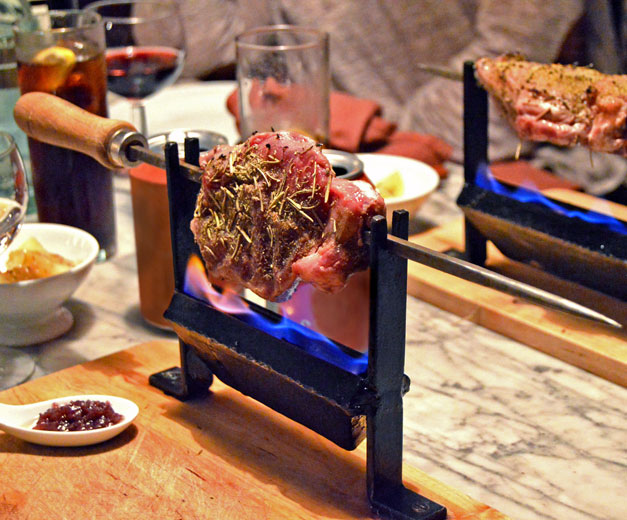
Deep in the heart of El Born lies a medieval labyrinth of dark stone buildings and massive wooden doors, scant light, narrow passageways and dozens of colorful little shops, ateliers and hidden bars and restaurants. Of the last, La Cua Curta is one of our favorites, a family restaurant specializing in cheese fondue, unusual salads, carpaccios of meat and fish, homemade pâtés and a remarkable veal steak.

logo

Terms of Service