Latest Stories

Istanbul's Spring Foods

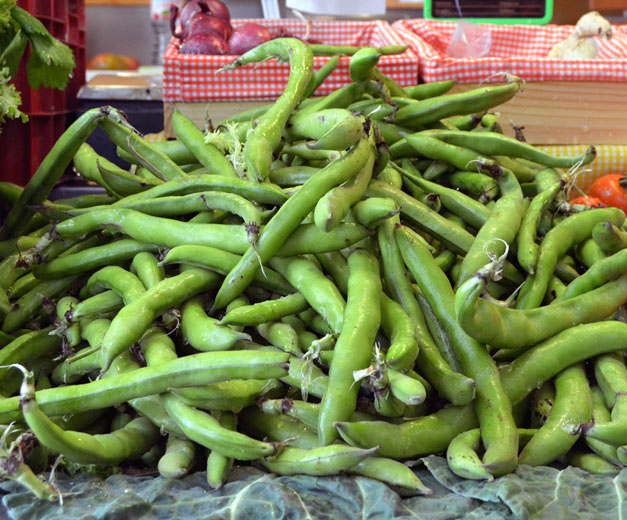
Spring arrives at the markets in Istanbul with a great deal of color and fanfare. Vendors arrange peas in perfect diagonal rows, displaying their goods to lure you into a multi-kilo purchase. Men furiously carve out artichoke hearts and toss them into lemon-water-filled bags, step around massive piles of trimmings and hand you what feels like a new goldfish purchase. Fava beans are ubiquitous in their fuzzy pods, although less appealing because of all the prep work that comes with them. Best to enjoy fava beans in a restaurant, zeytinyağlı-style (with olive oil) and or in our favorite preparation, a garlicky mash like the chefs make at Müzedechanga in the Sabancı Museum.

Mercado de Medellín

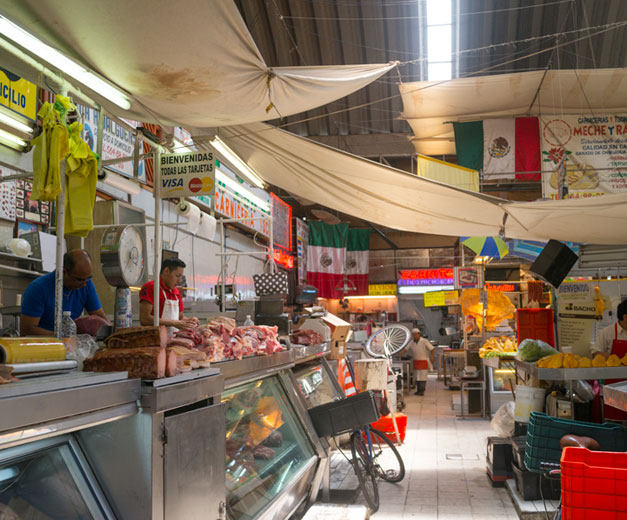
In Mexico, marketplaces have been the soul of communities for millennia, and of the many modern-day ones we’ve visited in Mexico City, the one we’re always most excited to return to is Mercado Medellín in Roma Sur. Recently, we visited with a guide, an American expat who gets her produce and meat there every week and could get us the inside scoop. Our first stop was La Sorpresa butchery. Arturo, the owner, shook our hands and continued breaking down a large piece of beef for a special delivery. He told us that his family has run La Sorpresa inside the market for 25 years. The meat they sell comes from different slaughterhouses in the country, and even from the United States.

Brazilian Craft Beer

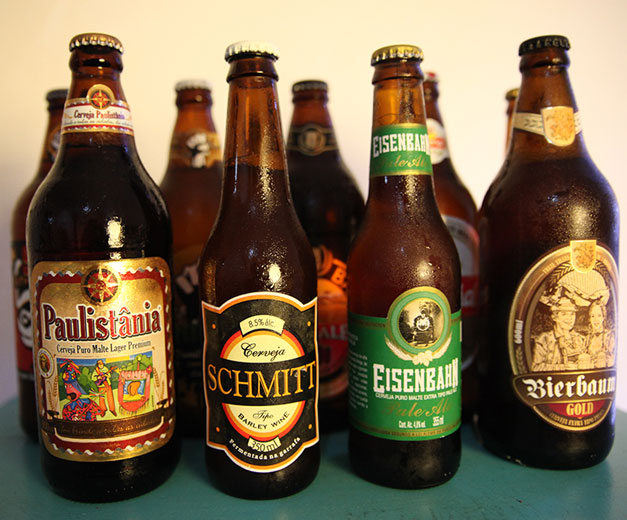
Editor's Note: Sadly, these spots are closed now. In February, the Rio state assembly took an unprecedented measure and passed tax breaks for microbreweries that produce less than 6 million liters of craft beer a year. We don’t actually endorse such foregoing of public funds in a place like Rio, where a recent survey found 28,000 elementary schoolchildren to be illiterate and where a responsible young woman is told in a public health clinic that it will take her four months to get an appointment for an STD test.

Palace Duck

Some people argue that it’s not KFC’s secret blend of 11 herbs and spices that makes their fried chicken so successful, but rather the cooking technique. Deep-frying the chickens in a pressure cooker saved on oil and time in the 1930s, making the crispy bone-in chicken a feasible option for fast-food chains. Until this new gizmo became popular, the fast-food industry was almost exclusively made up of quick-serve burgers and fries.

First Stop

Editor’s note: We asked writer Anya von Bremzen where she heads first for food when she arrives in Barcelona. She is the winner of three James Beard awards, a contributing editor at Travel + Leisure and the author of five cookbooks, including the recently published Mastering the Art of Soviet Cooking: A Memoir of Food and Longing.Most Barcelona tapas haunts, old and new, pay homage to the bares de producto, the astounding ingredient-laden kioskos (dining stalls) of the buoyant Boquería market. It might be crowded and touristy but on my first morning in town, Boquería is still my Holy Grail. The best time to go? Around 10:30 a.m., when the stalls are less crowded between lunch and dinner. Right by its entrance, I stop to pay my respects to the legendary chickpea-and-butifarra sausage stew at Pinotxo. Its owner, the venerable Juanito Bayen, is now nearing 80 but looking dapper as ever in his satin vest and bow tie. Juanito is still a maestro of counter banter, spiking coffee with brandy for dour resident fishmongers, plying Japanese tourists with pristine razor clams, smiling for cameras next to Ferran Adrià.

CB on the Road

It is impossible to sleep late in Gaziantep, despite the tranquility of the historic quarter, the calming, hunker-in-and-go-back-to-sleep effect of the hotel room’s thick stone walls and the comforting, dusty smell of antique furniture. Even the promise of a nice breakfast spread served between 7:30 and 10 a.m. could not keep us from hitting this ancient southeastern Turkish city’s streets. At 6 a.m., we were rambling through Gaziantep’s coppersmiths’ bazaar. As we walked by, the metal shutters of spice shops were thrown open in a clattering roar, whooshing an aromatic cloud into our path. Street sweepers worked their beat with twiggy, homemade-looking brooms as groups of shopkeepers lingered over the first of many more teas and smokes at the corner çayhane. Exiting another artery of covered bazaars, we stepped out into bright morning light, which shot through the brooms of street sweepers at rest, creating crazy mangrove-like shadows on the sidewalk. We were close now, so close we could smell it.

Spring Fever

The reach of globalization and industrial agriculture is such that you can find pretty much any kind of vegetable all year long at markets throughout Spain, but there are a still a few holdouts that arrive at very specific times of the year, and only for a fleeting moment. This is the produce we look out for, along with signs indicating the precise provenance. Artichokes from El Prat and the Ebro Delta are nearing the end of their all-too-brief visit, while the rare strawberries and wonderful peas of Maresme, on the coast of Barcelona province, have just begun appearing at market stalls. Others, such as the humble fava, arrive with less heralding but are no less welcome.

Rick's Picks

Editor’s note: Award-winning cookbook author, chef-restaurateur and television personality Rick Bayless is a renowned expert on Mexican cooking and a frequent traveler to Mexico City. He recently shared with us his list of must-visit places in Condesa, Roma/Roma Norte and Polanco.

Chinese Food Idioms

In a country where the traditional way to greet someone translates to “Have you eaten yet?” (你吃了吗? Nǐ chīle ma?), it should come as no surprise that food idioms permeate everyday language in China. Chinese culture also prizes indirectness, so idioms are the perfect way to portray deep meaning without being overt. Frustrating for cross-cultural businessmen and language students or not, chengyu (成语), the ever-present four character idioms, and xiyu (习语), which are generally longer, are often the source of the hilariously mistranslated Chinglish you still see on street signs and menus today.

Bar Imaculada

Editor's Note: Sadly, this spot is now closed. The locals of the Morro da Conceição are a proud bunch, and with good reason. To the north the cargo and cruise ships of Rio’s Port Zone steam in and steam out of Guanabara Bay. To their south the centro overflows with working cariocas during commercial hours. By evening, the centro becomes sparsely populated stretches of concrete and highway. The residents of Morro da Conceição have witnessed Rio history on its various sides.

First Stop

Editor’s note: We asked Brooklyn-based writer Julie Doherty Meade where she heads first for food when she arrives in Mexico City. Meade is the author of Moon San Miguel de Allende, Guanajuato, and the Bajío, Moon Living Abroad in Mexico, Moon Metro New York City, and the upcoming sixth edition of Moon Mexico City.

Tao Heung

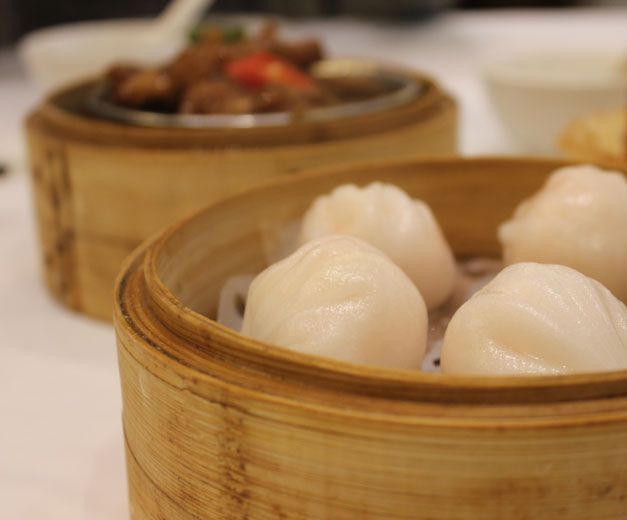
Girdled by the South China Sea, the islands and peninsula that make up Hong Kong have had to grow up rather than out. This geographical constraint has resulted in more than twice as many skyscrapers as any other city in the world (1,251 and counting), and many of those high-rises house malls jam-packed with some of the best restaurants in the city. Now the trend of dining out amongst designer shops is heading north to Shanghai, as developers erect facsimiles of Hong Kong’s favorite malls on both sides of the Huangpu River. At IAPM, the latest shopping spot stocked with HK brands to open its doors to Shanghai, it seems fitting that Tao Heung is one of the most popular spots in the foodie and shopping mecca.

Spanish Food Idioms

You are what you eat, as the saying goes. Is it any surprise, then, that food figures so largely in popular culture all over the world? In Spain, we have a veritable cornucopia of food-related expressions. Here’s a taste: Dar una torta, “to give a cake.” To slap someone. But darse una torta, “give a cake to yourself,” means you hit something else. It’s a mild, lighthearted expression, even with tortazo, which is a bigger biff, and comes from the funny old circus setup where a clown throws a cake into the face of another clown.

Erol Lokantası

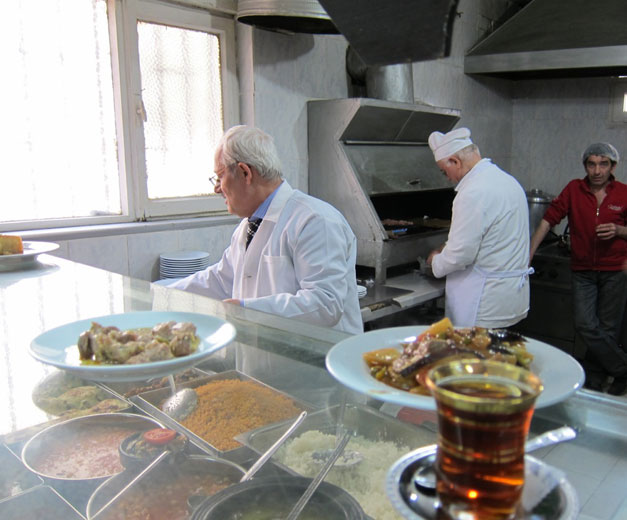
(Editor's Note: We regret to report that this establishment is no longer open.) Şenol Erol is trying to remain optimistic about running the last esnaf lokantası in Sultanahmet, where the market seems to demand tourist traps over traditional tradesmen’s restaurants. “I guess that makes us unique, doing things the old way,” he says, as if this vintage eatery needed a tagline.

First Stop: Aslı Aydıntaşbaş's Istanbul Featured Image

Editor’s note: We asked Aslı Aydıntaşbaş, a columnist for Turkish daily Milliyet, where she heads first for food when she returns to Istanbul after a trip abroad. Aydıntaşbaş is also a commentator on CNNTürk’s show “Karşı Gündem” and has written for numerous publications, including the former International Herald Tribune, The Wall Street Journal, The New York Times, Forbes and Newsweek. Funny enough, I don't really crave Turkish food if I have been spending time out of the country. This is because, for starters, I am a foodie: I crave things. I schlep to the other side of town for a meal. I never hesitate to spend money on good restaurants.

logo

Terms of Service