Latest Stories

Bar Mundial

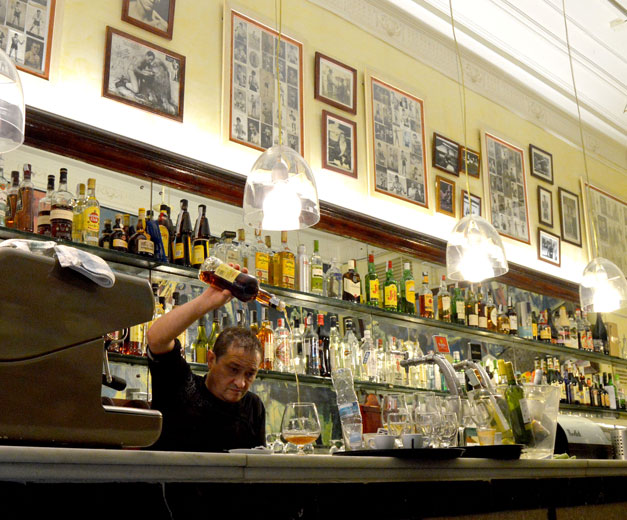
The perpetually packed Bar Mundial is one of Barcelona’s elder statesmen. It opened for business in Santa Caterina-El Born in 1914 under the name Bodega La Chispa, and was rechristened with its current name in 1925, when the Tort family took over. The place is now run by third-generation owner Paco Tort. The old bar has history, that’s for sure – even El Chispa ("Spark"), the bartender, is a 30-year veteran of the place. And what keeps people coming back to Bar Mundial are the delightful seafood tapas, classic and contemporary, that issue from the tiny kitchen.

El Beso Huasteco

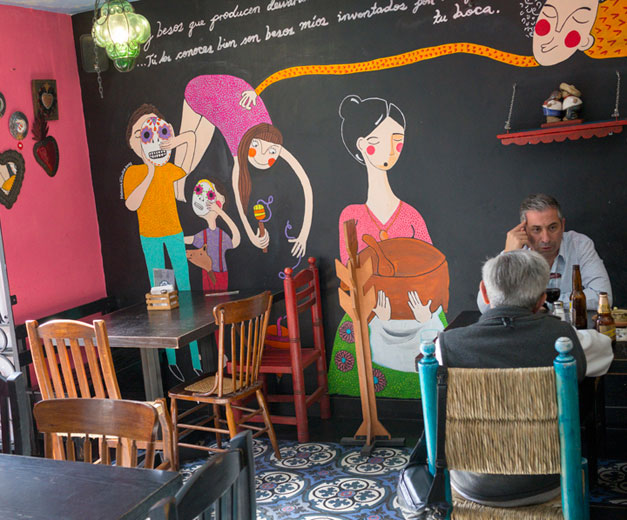
Editor's Note: Sadly, this spot is now closed. La Huasteca, a region in Mexico that extends through several eastern states, including San Luis Potosí, Veracruz, Tamaulipas, Hidalgo, Querétaro and Puebla, gets its name from the pre-Hispanic civilization that inhabited the area. There are still some indigenous Huastec communities that live in the region, and like those of the rest of the country, their local food and customs have been highly influenced by the Spanish conquest and the influx of immigrants both domestic and international.

Spring (Food) Break 2014

With all of the anticipation of local elections in March, the scandalous graft-laden tapes leaked via social media, the communication fog brought on by the ban of Twitter and YouTube and the subsequent call for a vote recount in many cities, this city's stomach had good reason to be distracted. But one cannot survive on a diet of daily news alone. In case you all forgot, Spring is here.

First Stop

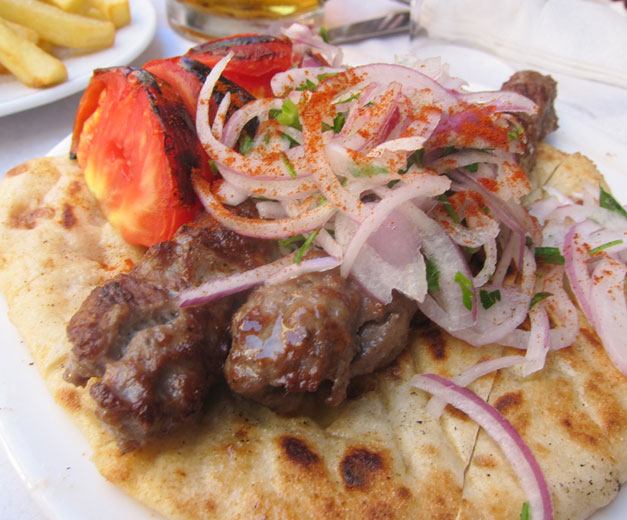
Editor’s note: For our First Stop series, we asked Toronto blogger Peter Minakis, who writes about Greek cooking and dining at Kalofagas, where he heads first for food when he arrives in Athens. Minakis is the author of The Everything Mediterranean Cookbook and his latest book, The Big Book of Mediterranean Recipes, is due out by the end of April.

Best Thing Since Sliced Bread

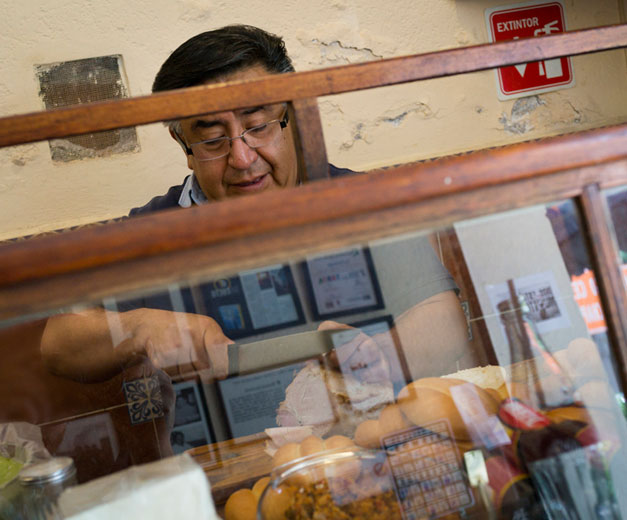
Taquerías are probably the most common kind of eatery in Mexico City, but torterías, purveyors of tortas, the generously filled sandwiches that come on bolillo rolls or the smaller teleras, are not far behind. From stalls at subway station exits to restaurants that have been in business close to a century, torterías are a fixture in the city landscape. Here are five of our favorites, in no particular order:

Mercadão de Madureira

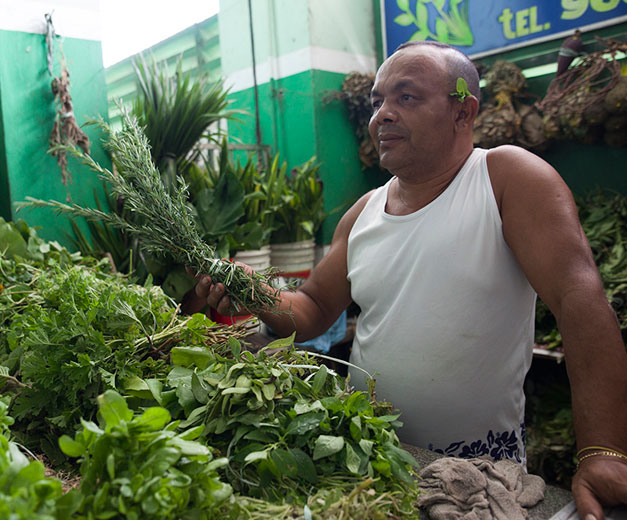
For the carioca in need of grains in bulk, cheap party decorations, live animals and herbs for the ritual baths practiced in Afro-Brazilian faiths, the Mercadão de Madureira offers one-stop shopping. Madureira is a good two-hour bus ride from tourist-zone Ipanema and is tucked behind hills far from the ocean breeze, which means the neighborhood heats up even more than already steamy Rio. In the heart of Rio’s working-class north zone, the Mercadão is where cariocas who count every real go to comparison-shop and haggle for the best deals in the city limits. Remember that the minimum wage in Rio is less than 800 reais (about US$330) per month, and a middle-class family is defined as earning above US$450 per month. That means the 100-real meals of Ipanema are hardly palatable for the so-called “new middle class.” Despite the cheery BRIC emerging-economy narrative and the olho grande (“big eye,” or greed) of investors looking for a new consumer market, this sector of Brazilian society can be better understood as the working poor.

Zhaojialou Water Town

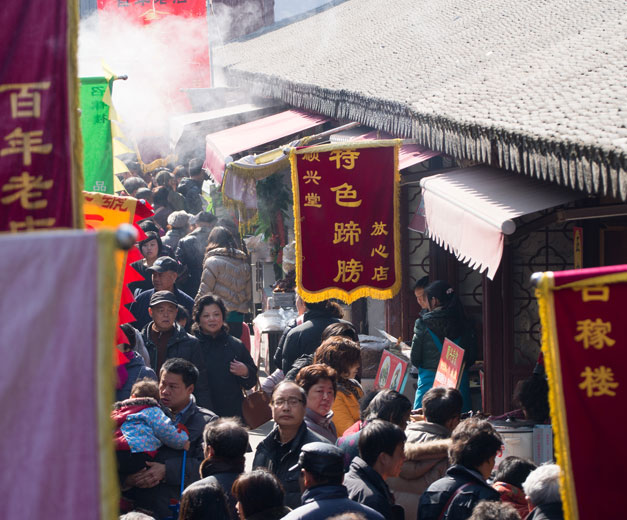
For visitors looking to get beyond Shanghai’s urban core, among the main attractions are the plentiful water towns that ring the outer suburbs in just about every direction. The name refers to the bygone reliance of these towns on water for irrigation and transport, especially in the form of canals. Billed as ancient villages, the popular destinations tend to be packed with visitors, with traditional foods as the main draw – perhaps due in part to the lack of other activities on offer.

Museu de la Xocolata

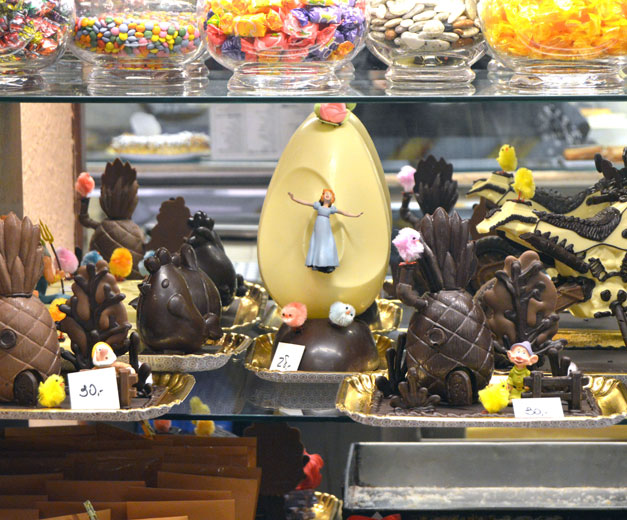
In the weeks leading up to Easter, Barcelona looks like an extension of Willy Wonka’s factory-fun house: chocolate castles, houses, animals, cars, motorbikes and even cartoon characters and fútbol celebrities fashioned out of cacao populate the city’s traditional patisseries. Catalonian confectioners expect to sell some 600,000 chocolate sculptures decorated with yellow chicks, chocolate eggs and cakes studded with hard-boiled eggs and colored feathers this year. The last are known as monas, and godparents traditionally give these to their godchildren throughout Catalonia and other parts of Spain to mark the holiday.

Old Jesse

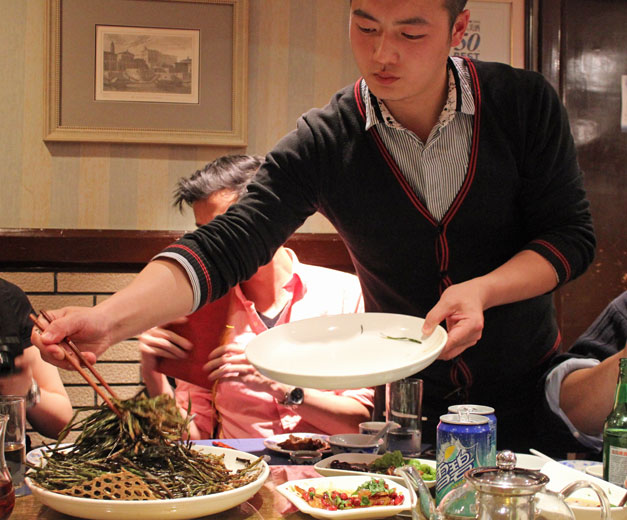
Ask a Shanghainese person for the best běnbāng, or local, restaurant in town, and you’ll probably be pointed toward Old Jesse. The doyenne of haipai cuisine, this ramshackle restaurant is the darling of the guidebook industry, with mentions in publications from Travel + Leisure to Lonely Planet, but that doesn’t mean that it’s foreigner-friendly. In fact, when LP first published their listing back in 2008, Old Jesse stopped taking reservations in English for some time, just to spite the hordes of tourists vying for a seat in their tiny former French Concession establishment. Even now, the lingua franca in the packed dining room is Shanghainese, and it’s still not uncommon for a laowai’s reservations to disappear if he or she is just a few minutes late, or for foreigners to have to watch hungrily as the dishes they ordered come out to tables manned by locals first, even though said locals were seated long after them.
Greek Food Idioms

With its rich, profound history – its roots lie in epics and at the foundation of modern civilization, after all – the Greek language is ripe for and with metaphor, particularly of the food-related variety. Folk sayings and proverbs have a prominent place in colloquial language and everyday life, and they are at turns humorous, instructive and ironic. And sometimes they are all three at once.

A Slice of the Action

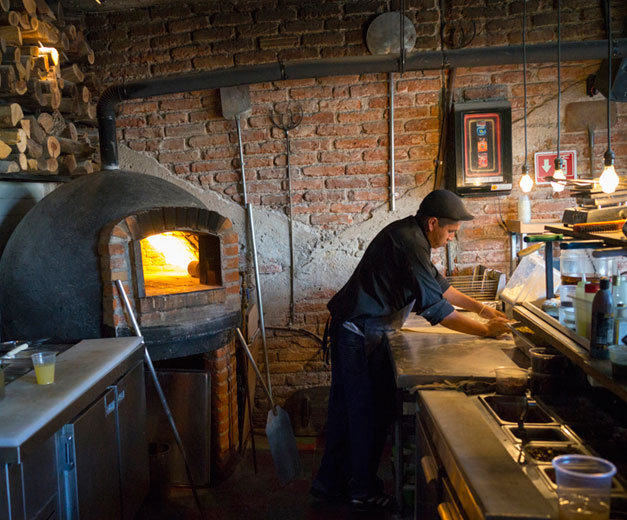
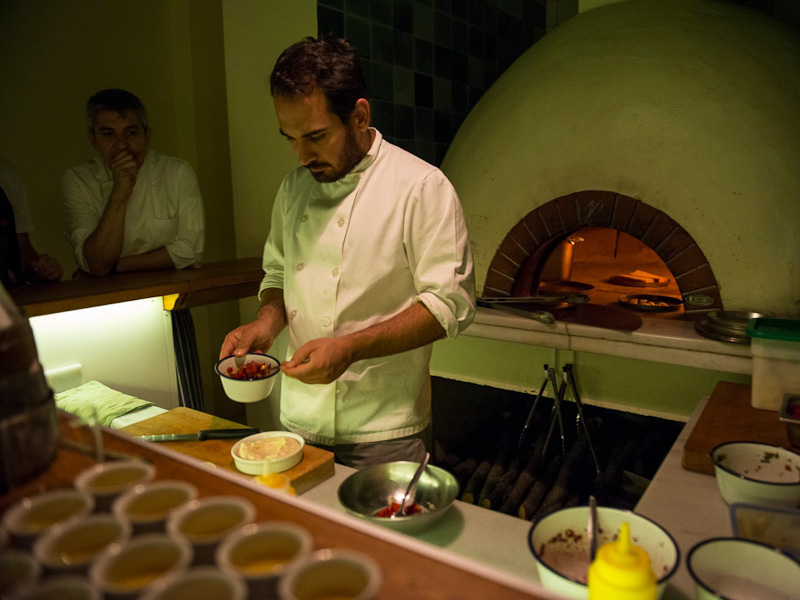
Mexico City is indisputably one of the world’s great eating capitals, and one of its main draws is the astonishing regional diversity in the Mexican cuisines that are available here. But sometimes, the only thing that’ll hit the spot is a slice of pizza. Fortunately, D.F.’s got you covered there, too. There are hundreds of pizzerias to choose from, from big chains to small family-run establishments, but these are our three favorites.

Back to the Source

Perhaps coffee is underappreciated in Rio because it’s so plentiful. Brazil is the world’s largest producer of coffee, but both the selection and the presentation of the stuff you’ll find in Rio is hardly what a gringo dreams of in the capital country of café. Coffees here are cafezinhos, small, potent, highly sugary and with no milk. A cafezinho is taken standing up at a lanchonete (snack bar) or on a work break in the office in tiny medicine cups filled from an unseemly plastic cylinder. When Brazilians have seen the size of our morning coffee, many have expressed a concern that we could hurt ourselves with such a large quantity. (It’s just a coffee cup.)

Bulk Food

Early on in Jean-Pierre Jeunet’s 2001 film Amélie, the title character plunges her hand into a big sack of lentils, relishing the sensation of them slipping through her fingers, a look of pure pleasure on her face. That kind of behavior is verboten in shops that sell dry goods by weight, but buying groceries in bulk has its own inherent pleasures (and you can run your fingers through your purchases once you’re back at home). Just as with bulk wine, buying food in bulk is making a comeback in Barcelona. Not only does this practice yield less packaging waste, but in our minds, it also makes hunting for great ingredients all the more enjoyable.

Yeni Lokanta

Editor’s note: In the inaugural post of our new recurring feature, First Stop, we ask Chef Ana Sortun of the much-beloved restaurant Oleana and bakery Sofra in Cambridge, Massachusetts, where she heads first for food when she arrives in Istanbul. Sortun received the James Beard Foundation’s award for “Best Chef Northeast” in 2005 and wrote the cookbook Spice: Flavors of the Eastern Mediterranean. Her newest restaurant, Sarma, opened at the end of 2013 in Somerville, Massachusetts.

Move Over, Tea

China is increasingly becoming a nation of coffee drinkers, a trend that is quietly percolating out beyond the confines of cosmopolitan Shanghai and Beijing. As more and more tea terraces are converted to profitable coffee plantations in the country’s mountainous southwest regions, and with the number of Costa Coffee and Starbucks locations still on the upswing, it’s never been easier to find a decent cup of joe.

logo

Terms of Service