Latest Stories

Rio's German Bars

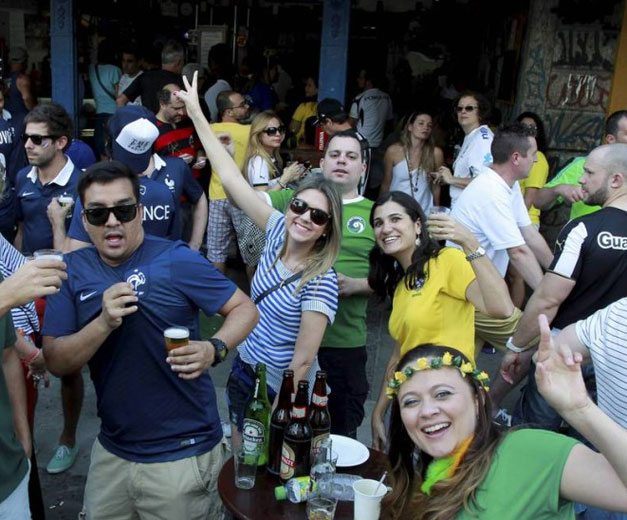
In just a few hours, Germany will play Brazil in a World Cup semi-final match, but the outcome doesn’t matter. Win or lose, Germany has already conquered this nation – gastronomically speaking, at least. This isn’t fancy gastronomy, of course (leave that to the French!), but the simple, hearty, delicious food that the best Brazilian German bars serve all over the country, especially in Rio. German bars have been beloved institutions in Rio for a very long time. The most famous ones have been around since before World War II, when Rio was the capital of the country and the federal government was flirting with German's National Socialist Party. By 1939, Rio had a dozen German bars.

Aigaion

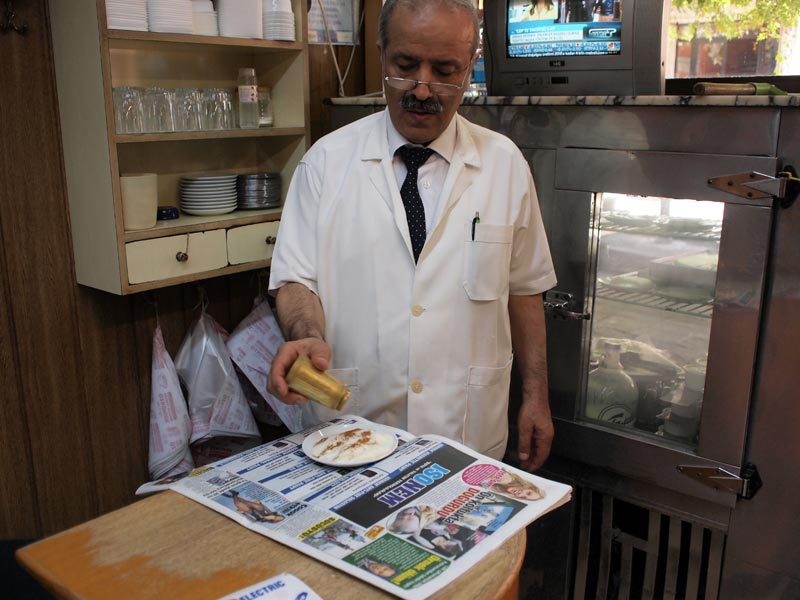
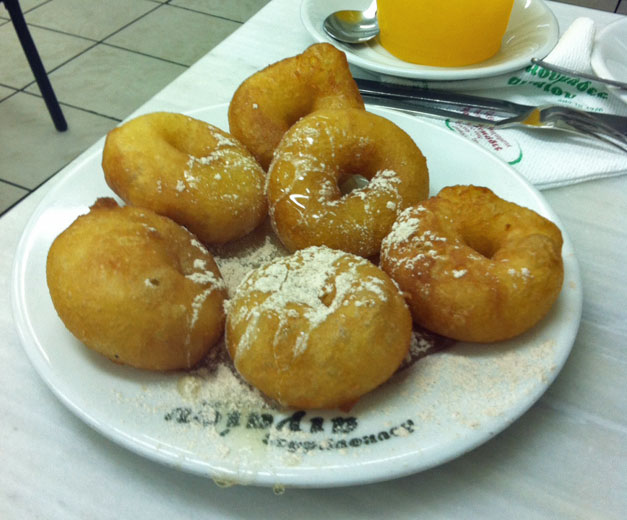
Editor’s note: We’re sad to report that Aigaion has closed. Loukoumades! In the long, slow afternoons that would follow the enormous Sunday lunches with the full complement of our parents’ friends, all one had to say was that word, and the calm would be broken. Women (and sometimes men) would instantly bustle into the kitchen, haul out large plastic basins and begin the preparation. After what always seemed an interminable wait, plates loaded with golden, deep-fried balls of dough, crispy and drenched in honey, would appear from the kitchen, followed by a yelping array of children.

First Stop

Editor’s note: In the latest installment of our recurring feature First Stop, we asked chef and food writer Anissa Helou where she heads first for food when she arrives in Istanbul. Helou is the author of many cookbooks, includingLebanese Cuisine, Mediterranean Street Food, Savory Baking from the MediterraneanandThe Fifth Quarterand has also written for publications such as the Observer Food Monthly, FT Weekend, the Times Magazine and Food & Wine. She has been featured on numerous radio and TV programs in the U.S. and U.K.

CB on the Road

If it’s because of showing visitors around or simply a desire to get away from the city for the day, we can usually count on at least one visit a summer to Büyükada, the largest of the Princes’ Islands. But as much as we like looking at the car-free island’s Victorian mansions and visiting its quiet, forested backside, when it comes time to eat on Büyükada, we feel like we’re stuck inside an airport, forced to eat mediocre food at outrageous prices. (Although we very much like the food at Kıyı, a seaside restaurant on the island that we’ve previously recommended, even a casual dinner there ends up costing more than what one would like.)

El Xiringo

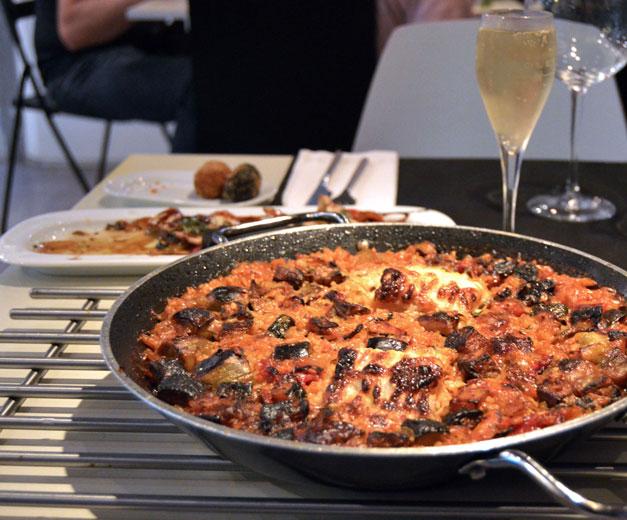
As a side benefit of his former life as a financial advisor, Xavier Maymo got to spend 20 years dining at some of Europe’s finest restaurants. When he would return home after his business trips, he would relax by recreating the dishes he had enjoyed at these restaurants in his own kitchen. His mother had taught him the basics of cooking when he was a kid, and his natural gifts and intuition allowed him to recall flavors and then to riff on them and invent new ideas. Over the years, Maymo also sought out many chefs in order to learn from them, and in the process he became friends with them.

CB on the Road

In Mexico, magic is all around us. It’s in the architecture, history, way of life – and, of course, the food. The country’s Ministry of Tourism is no stranger to this magic, and in fact, fully grasping its economic possibilities, it created the Pueblos Mágicos program in 2001 to recognize villages that are unique and historically significant. There are now 80 such pueblos mágicos across the country, and one of our favorites is just a short drive away from Mexico City.

Café e Bar Macaense

Editor's Note: Sadly, this spot is now closed. Rio’s legendary soccer stadium, Maracanã, has been called “the temple of futebol” for more than 60 years, and these days, it’s a magnet for ever more worshippers of the Beautiful Game. Even those without a ticket are drawn to the stadium, just to be close to the party and, at the very least, to feel the undeniably intense and infectious excitement that’s in the air here.

Hello, Neighbors

Like many cultures with a strong national food culture, Athens has been slow to welcome foreign cuisines. First, there were the heady 1990s, when the first luxurious restaurants serving such food opened. That was followed by a decade of discovery, with the first mid-priced sushi and Indian restaurants appearing left, right and center. An enormous influx of immigrants from Pakistan, Bangladesh, Afghanistan and North Africa from the mid-2000s onwards brought pockets of Middle Eastern grocery stores and eateries to downtown Athens, Kypseli and Patisia. Just a few years ago, Athens’ Middle Eastern food scene was divided in two, with various mid-priced to expensive restaurants catering to Greeks and the Kurdish, Syrian, Iraqi and Afghan immigrants making delicious street food for their own communities (and a few adventurous Athenians).

Fengyu

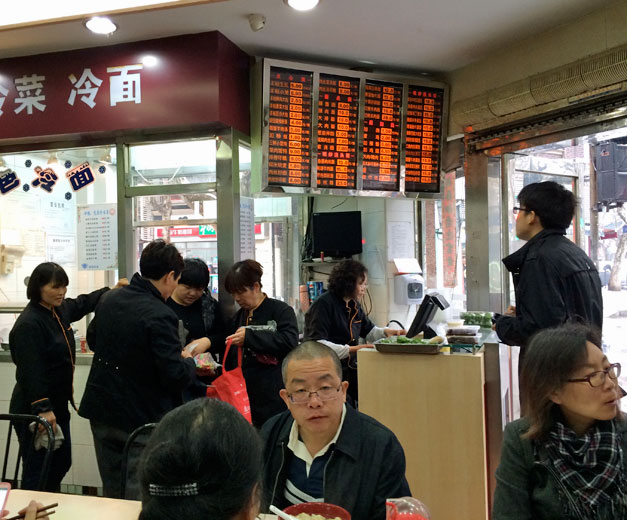
At noon, the line stretches out the door and there’s a noisy rumble of loud voices inside the Ruijin Erlu and Nanchang Lu branch of Fengyu (丰裕), a neighborhood staple that has fed locals for decades deep in the heart of the former French Concession. According to Dianping, China’s most-visited food website, there are 35 branches of this eatery, whose name aptly means “plentiful abundance,” and some are franchised with slightly varied menus. This branch is state-owned, and it opens early, like most of Shanghai. (Latecomers will find most of the dishes sold out.)

CB on the Road

Trabzon doesn’t face the sea so much as fall into it like it’s hugging an old friend. The weight of dozens of mountains and just as many rivers pushes the city into the Black Sea, and the blue-collar port and ribbons of highways get the region’s bounties out of the city seemingly while the bread is still warm. Due to the massive out-migration that the region has undergone since the 1980s, countless pide shops and lokantas promising Karadeniz (“Black Sea”) recipes can be found in Istanbul, and some of them are quite good. But with food as simple and unique as what’s found in the Turkish Black Sea coast, it’s not the recipes that pack a punch so much as the ingredients. The freshest and weirdest are found in Trabzon and its environs and are as good an excuse to up and live in Trabzon as the mountains and the music.

Rio's Hostel Bars

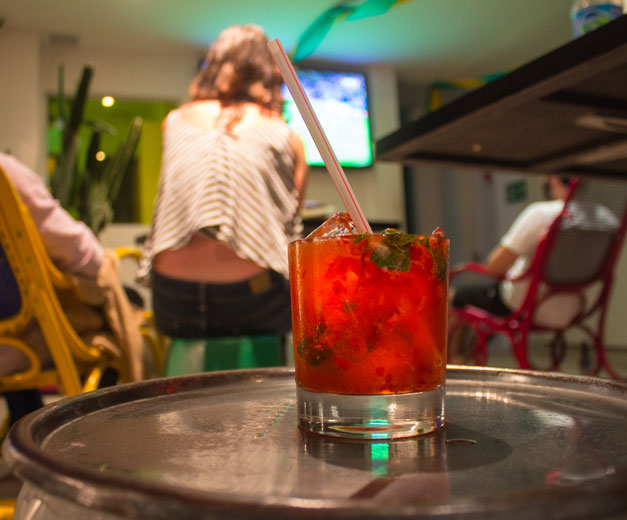
Editor's Note: Sadly, Guilhermina Bar and Oztel Hostel are now closed. Rio is full of tourists right now. The reason, of course, is the World Cup. They’ve been coming in waves – our Latin American brothers, especially. One week, it was the Argentineans. They invaded the city in their motor homes and with their raucous, passionate songs. The next week, it was time for the Chileans to do the same. It’s a rollicking good time for everyone! And for us cariocas, we finally feel like we’re at the center of the world.

CB on the Road

Spata (pop. 10,000) lies just 20 km east of Athens and is probably best known as the location of Athens International Airport. But the town is more than just a gateway into and out of the region – especially at the end of June. That’s when Spata hosts a festival to honor St. Peter and St. Paul, the official protectors of the city. The highlight of the festival comes at the end of the last day, June 30, with a glorious communal meal: Enormous quantities of braised beef that have been cooked for 12 hours over a wood fire are served to all the citizens of Spata and visitors to the town.

Taquería La Única

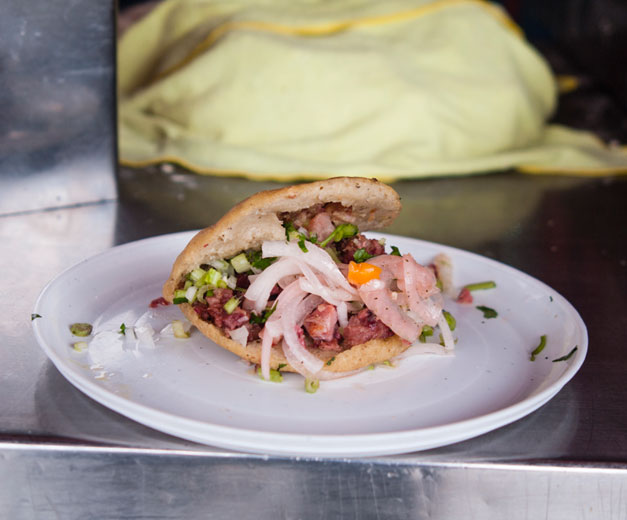
Carnitas, a pork dish that originated in the state of Michoacán, can be found in restaurants, markets and street stalls all over Mexico City – it’s a fixture of the chilango diet. The other day, we received an invitation to visit a carnitas place that our host said would blow our minds – and that’s definitely the kind of offer we never refuse.

Ratafía

In Catalonia around the summer solstice, we make one of our most traditional liqueurs, ratafía, for which the herbs, fruit and flowers that are macerated in alcohol must be collected on Saint John’s Eve, or June 23. This highly aromatic digestif has long been believed to have medicinal properties. There’s even an old Catalan rhyme along those lines: Ratafía, tres o cuatro al día (“Ratafía, three or four per day”). Different versions of the liqueur have been made for centuries in eastern Spain and some regions of France and Italy but, like the other herb liqueurs throughout Europe, they originated from the Ancient Roman and Greek custom of macerating fruit and herbs in wine, from Arabian perfume distillation and from the sophisticated medieval distillations in monasteries and convents that created the first aguardientes, or grape-based, medicinal liqueurs.

First Stop

Editor’s note: In the latest installment of our recurring feature, First Stop, we asked Asia-based photographer David Hagerman where he stops first for food when he arrives in Mexico City. Hagerman’s work has appeared in the New York Times, Saveur, Food & Wine, AFAR, SBS Feast and the Wall Street Journal, among many other publications.

logo

Terms of Service