Latest Stories

Baoyuan Jiaozi Wu, photo by UnTour Shanghai

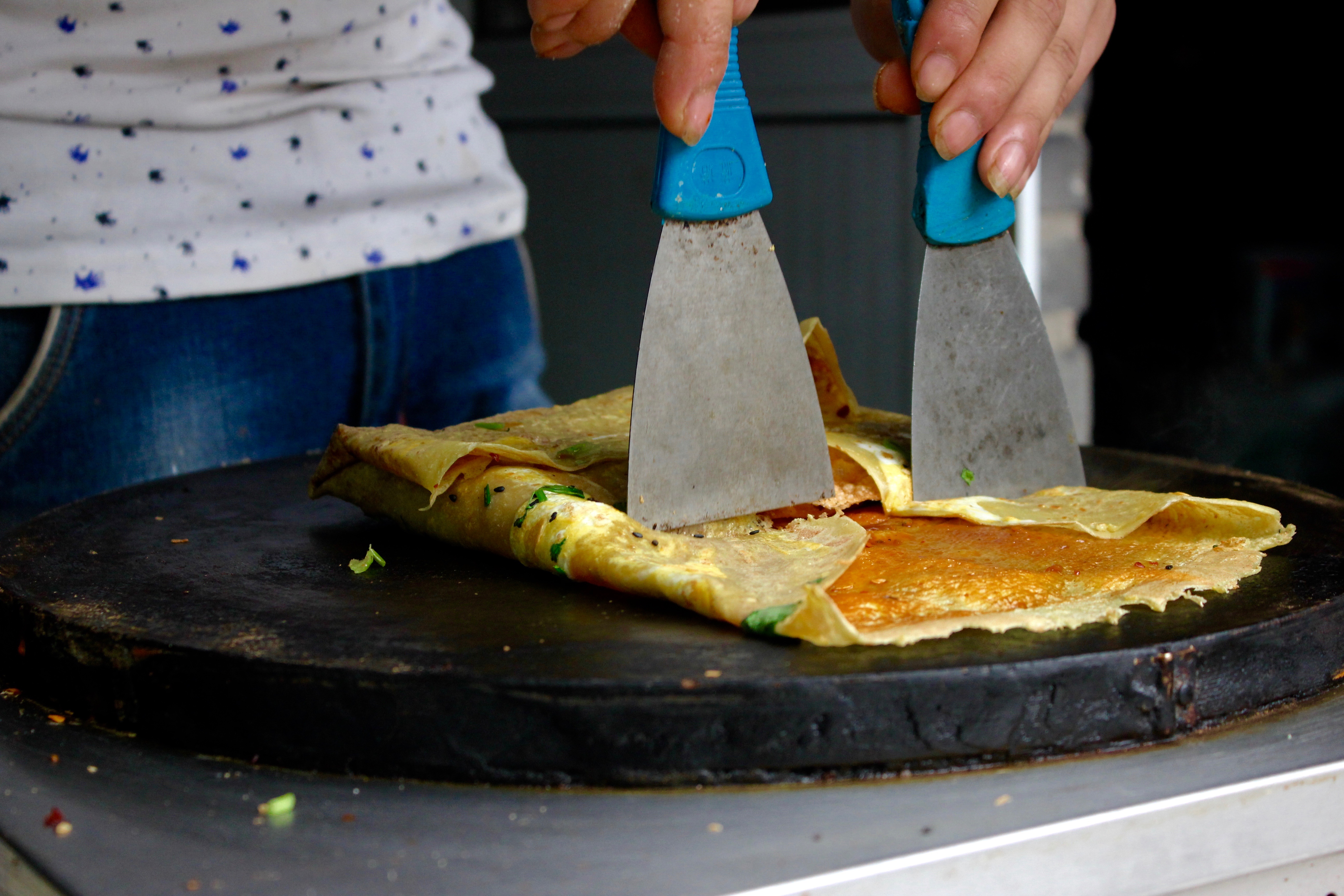
Baoyuan Jiaozi Wu was locally famous in Beijing for years, then U.S. Secretary of the Treasury Jacob Lew turned the sprawling dumpling house into a Chinese viral sensation when he lunched there in 2013. The modest meal came just weeks after Xi Jinping became the President of the People’s Republic and launched anti-corruption campaigns that tried to eliminate extravagant dinners replete with sea cucumbers and Moutai baijiu. The meal for three at Baoyuan came to just RMB 109 (US$16) – a jaw-droppingly low number for a lunch for officials in China. Netizens around the country hailed the secretary for his low-key, local choice.

Trabzon Kültür Derneği

Located just beneath Istanbul’s first Bosphorus Bridge in the Anatolian side district of Üsküdar is a secluded slice of Trabzon, the Black Sea province known for its otherworldly lush green forests, hot-tempered inhabitants and distinctly deep cuisine. The Trabzon Kültür Derneği (Trabzon Cultural Association) is something of a clubhouse for folks who grew up in the province and later moved to Istanbul for school and work. Founded in 1970 and having changed locations a number of times, the association set up shop in Üsküdar’s Beylerbeyi neighborhood at the turn of the millennium and crafted a miniature version of home in the heart of Turkey’s largest, ever-sprawling city.

Harvest Week: In Greece, A Grown Up’s Wine, Made by “Kids”

The Greek wine grape harvest is almost over. The dry and hot weather conditions throughout the year helped the grapes ripen earlier than usual, around ten days ahead of last year – a meaningful number when it comes to the delicate business of selecting what to pick for the harvest. After the previous year, a disastrous vintage for many, producers in Greece’s major wine regions finally have something to be excited about. The harvest that has us excited, though, took place just an hour’s drive from Athens, in a lesser-known wine region near Corinth. Here you can find the tiny vineyard of John Papargyriou, one of Greece’s most celebrated rising winemakers, with his wines selling out fast both at home and abroad.

Wine Harvest Week: Kakheti Diary

We have each got a couple of buckets and a pair of gardening clips and we are standing in a dewy vineyard in the middle of the majestic Alazani Valley. The autumn air is brisk, fresh with the fruity smell of grapes and the sun is warm, clouds permitting. Looming northward like some godly guardian of this huge, precious grape basket is the awe-inspiring Greater Caucasus range. It is rtveli, the harvest, and here in Kakheti, families across Georgia’s chief winemaking region are busy making wine much like their ancestors have done for centuries. They pick, crush and ferment wine in kvevri, enormous ceramic urns buried into the ground, or in oak barrels. They add nothing to enhance the fermentation process, the crushed grapes are stirred several times daily until they feel the maceration process is completed. The chacha, fermented skins, seeds and stems, is separated and set aside for distillation later, while the wine is left to age until the New Year feast season.

Wine Harvest Week

Wine and health: that was the prevailing philosophy of Joan Cusiné Hill, who in 1978 took over Parés Baltà wines, produced in Penedés, the land of cava. Cusiné Hill, who had already started working in viticulture at the age of seven, applied this philosophy first to himself – to what he ate and drank, to exercise, always with his focus on discipline and his vision. But he also applied it to his vineyards, using natural fertilization methods that included walking his sheep among the vines so that they could eat the grass and planting vines in the middle of the forest in an effort to harness the power and energy of those natural surroundings.

Wine Harvest Week

Over the last 20 years the wine industry in Baja California has grown exponentially, with the majority of production located in the Guadalupe Valley. The valley, which lies just 22 miles northeast of Ensenada, is about 14 miles long and is home to over 100 vineyards of varying sizes, from large-scale wineries like L.A. Cetto, to boutique operations like Monte Xanic, Vena Cava and La Lomita. Interest in the valley, both for its bright and rocky landscape and the unexpected wines it produces, has brought a boom in tourism. Design hotels and high-quality farm-to-table restaurants abound, making the valley a hot spot for food and wine enthusiasts.

Wine Harvest Week

Celebrating its 300th birthday this year, the Quinta do Vallado estate, located near Peso da Régua in the heart of the Douro valley, is integral to the history of the region. The current owners are the sixth-generation descendants of D. Antónia Adelaide Ferreira, a legendary visionary and businesswoman who, in the 19th century, changed Douro wines. Francisco Ferreira, the 44-year-old scion of the family, is now leading the wine making of this old estate, which for years was dedicated exclusively to port and is now producing some great red and white wines.

Street Carts of Desire

If you walk the length of Roosevelt Avenue from 69th Street to 111th Street in the early morning, you may encounter up to two dozen tamale ladies, usually at the major intersections that correspond to the 7 train’s stops. Few have licensed carts; most vend from grocery carts. Many of these women are up at 3 a.m. cooking and packing their steaming goods and are on the street by 4 or 5 a.m. Licensed or not, their business is brisk, efficient and professional. The ladies feed their own and charge prices that day laborers can pay. It is 5 a.m. on the corner of 69th Street and Roosevelt Avenue in Woodside, Queens. I am here to meet Christina Fox and her favorite tamale ladies.

Boiling Hot Pot in Beijing

Hot pot is a Chinese favorite and among the culinary treats waiting to be enjoyed on our Beijing dinner walk.

CB on the Road

On Serifos island, local word-of-mouth advice on where to eat real Greek home cooked food – at excellent prices – will take you to the end of a beach road, a dirt path bordering the turquoise sea. Around a slight bend on a corner clearing, a dozen or so mismatched, aged wooden tables and chairs strewn in front of whitewashed house are simply lit by a string of light bulbs hanging between two thick tamarisk trees. Here, 83-year-old Kyria (Mrs.) Margarita has faithfully taken orders, cooked every dish and welcomed her summer guests for more than three decades. Hers is the prototypical traditional Greek island taverna.

Seven St. Georges' George Demetriades, photo by Samantha Shields

Home cooks and high-end restaurateurs alike have taken to hedgerows and beaches to forage for wild herbs and sea vegetables over the past couple of years. But 60-year-old George Demetriades, the larger-than-life owner of Seven St. Georges Tavern, just outside Cyprus’s Paphos, has been serving up incredible meze based on the flora in the woods and fields around the area he grew up in for the past 20 years. “I’ve foraged for food since I was a little boy. That’s how I grew up, as a hunter-gatherer for healthy food,” Demetriades said.

Tasca Tables

Roughly a year ago, José, the owner of Das Flores, was heartbroken: he had just received an eviction notice demanding that he close the restaurant. And it’s not like he hadn’t been paying his rent – he had, but there were plans to transform the whole building into a luxury hotel. That has become a common occurrence in Lisbon’s recent history: closing an old family-owned business to make way for something more profitable to its landlords. Only this time the story had a different ending. With the help of a lawyer, José managed to keep his doors open. At least for the time being. He’s now a happier host, running the place behind the counter with his business-as-usual mindset.

Shop Bagrati

We’ve seen the doleful little building a hundred times, every time we cross Tbilisi’s Dry Bridge. With the seductive words chacha, grappa and vino hand-painted on the wall enticing us like a red-light district lures lonely sailors, we would move on, thinking, “one of these days.” Then one sweltering summer night our band got a gig at the biker bar next door to the sad little building. We had a half-hour to kill until show time, and we thought, surely, one shot won’t hurt. But instead of walking into a moonshine dispensary we found a little tourist shop packed with wine, ceramic vessels and assorted knick-knacks. The real discovery, however, were three refrigerators stocked with balls of craft cheeses.

Breakfast in Beijing

Douhua, a tofu pudding, is a breakfast staple in Beijing, and among the many morning treats that one may enjoy on our Breakfast in Beijing's Backstreets walk!

Galeto Sat's Botafogo

Even the pigeons of Copacabana know that Galeto Sat's – the old, ugly botequim located on the first block of Barata Ribeiro Street – has become one of Rio’s most important bohemian institutions since it was acquired by the Rabello family 10 years ago. The new owners changed the spirit of the bar, making it a hit – especially for those who love to eat and drink well, all night long. Even Anthony Bourdain turned the spotlight on this place for his TV show, “No Reservations.” The one problem that remained, however, was its size. Because the bar is very small – just 30 seats – it’s always crowded.

logo

Terms of Service