We can't find the internet
Attempting to reconnect
Something went wrong!
Hang in there while we get back on track


Osaka's culinary record
In a fairly formal and reserved country, Osaka feels funky and laidback. That is reflected in the endless options for a quick delicious bite, but it’s the people, Osakans, who set the stage, and they are boisterous welcoming hosts. Belly up to a standing bar or settle into a tiny izakaya and you can expect to be engaged. For us, that always elevates the culinary experience to a higher level.
Get the Full Story →Tour Osaka with Culinary Backstreets®


discover the city, street by street, bite by bite
Osaka
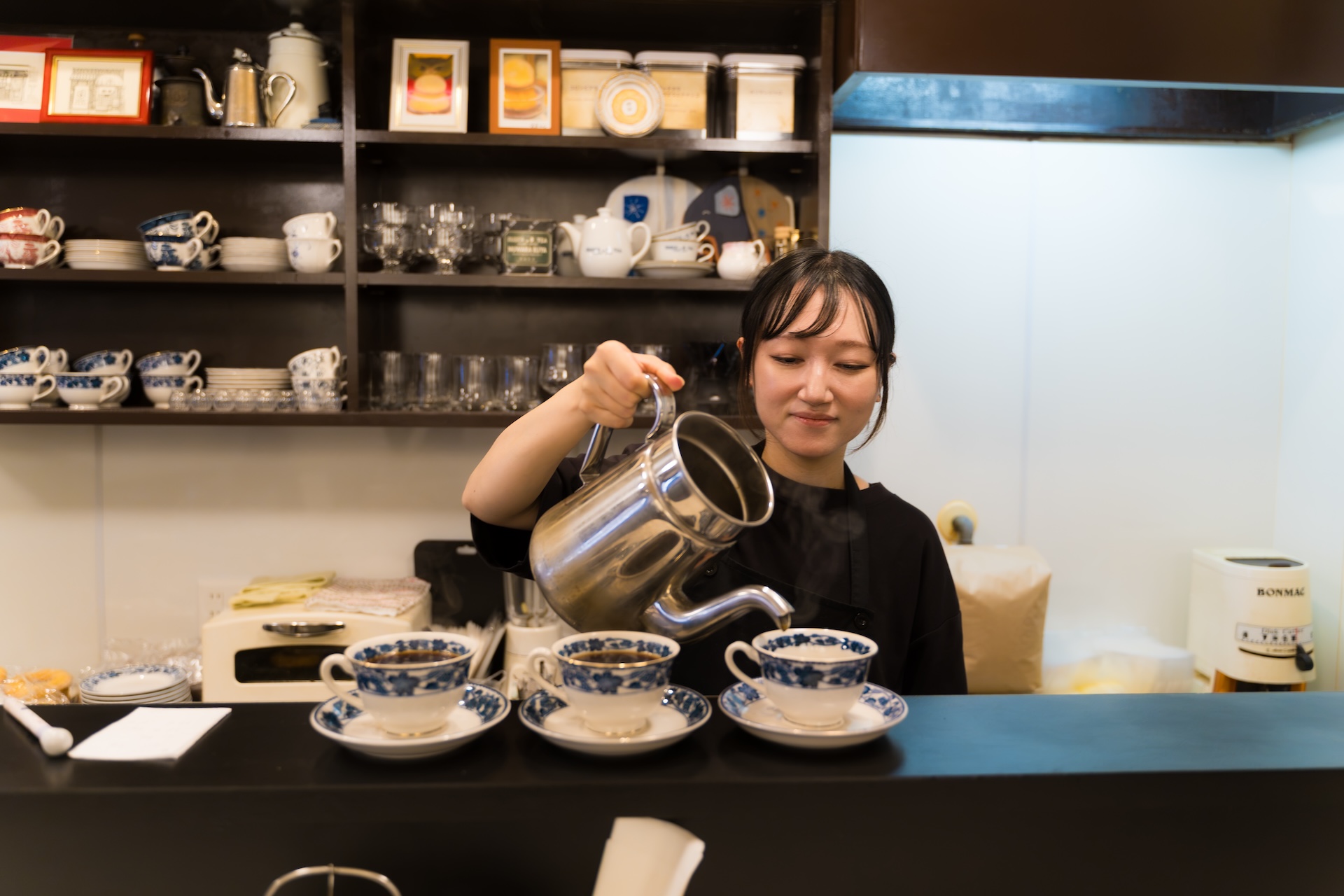
Osaka Kissatens Keeping Classic Coffee Culture Alive
From psychedelic stained glass and hand-shaken milk coffee to kimchi sandwiches and century-old donuts, these seven Osaka kissatens preserve a distinctly local coffee-shop culture.
Read more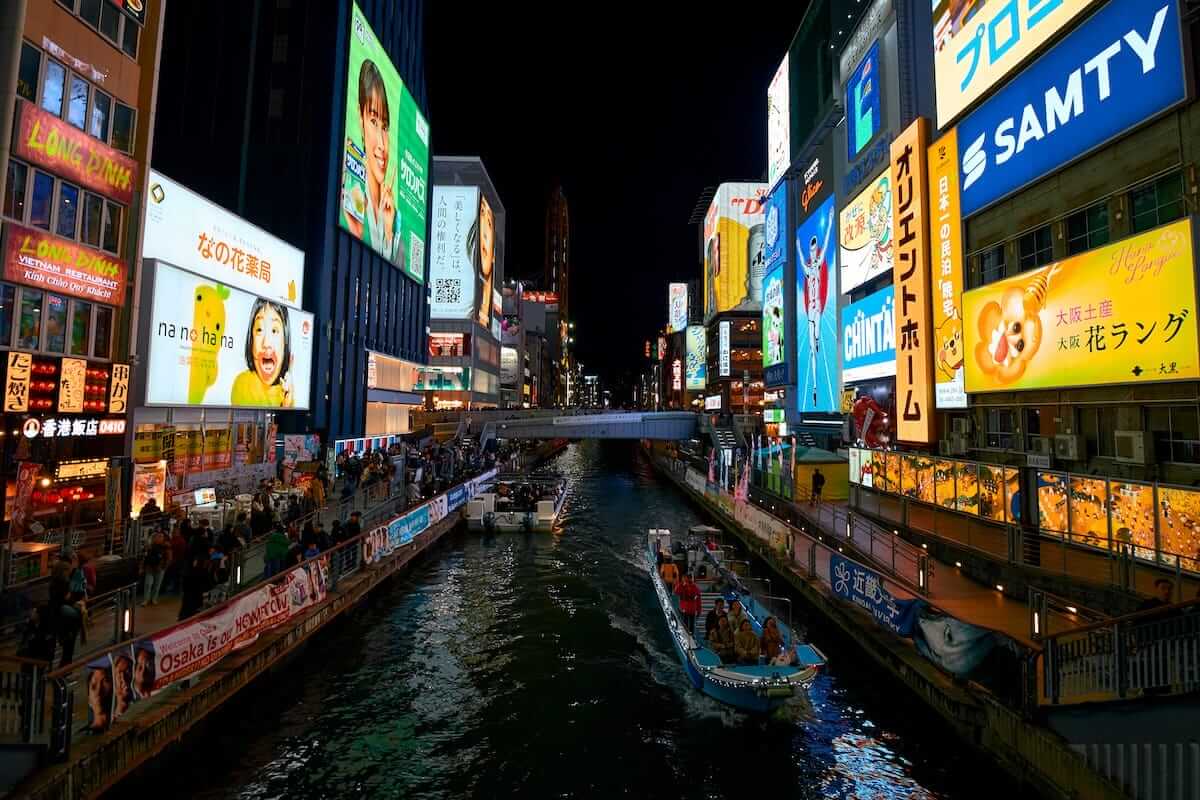
Osaka
Where We Eat in Osaka After Dark
From standing bars and oden counters to takoyaki, yakitori and okonomiyaki, here’s where to eat after dark in Osaka.
Read more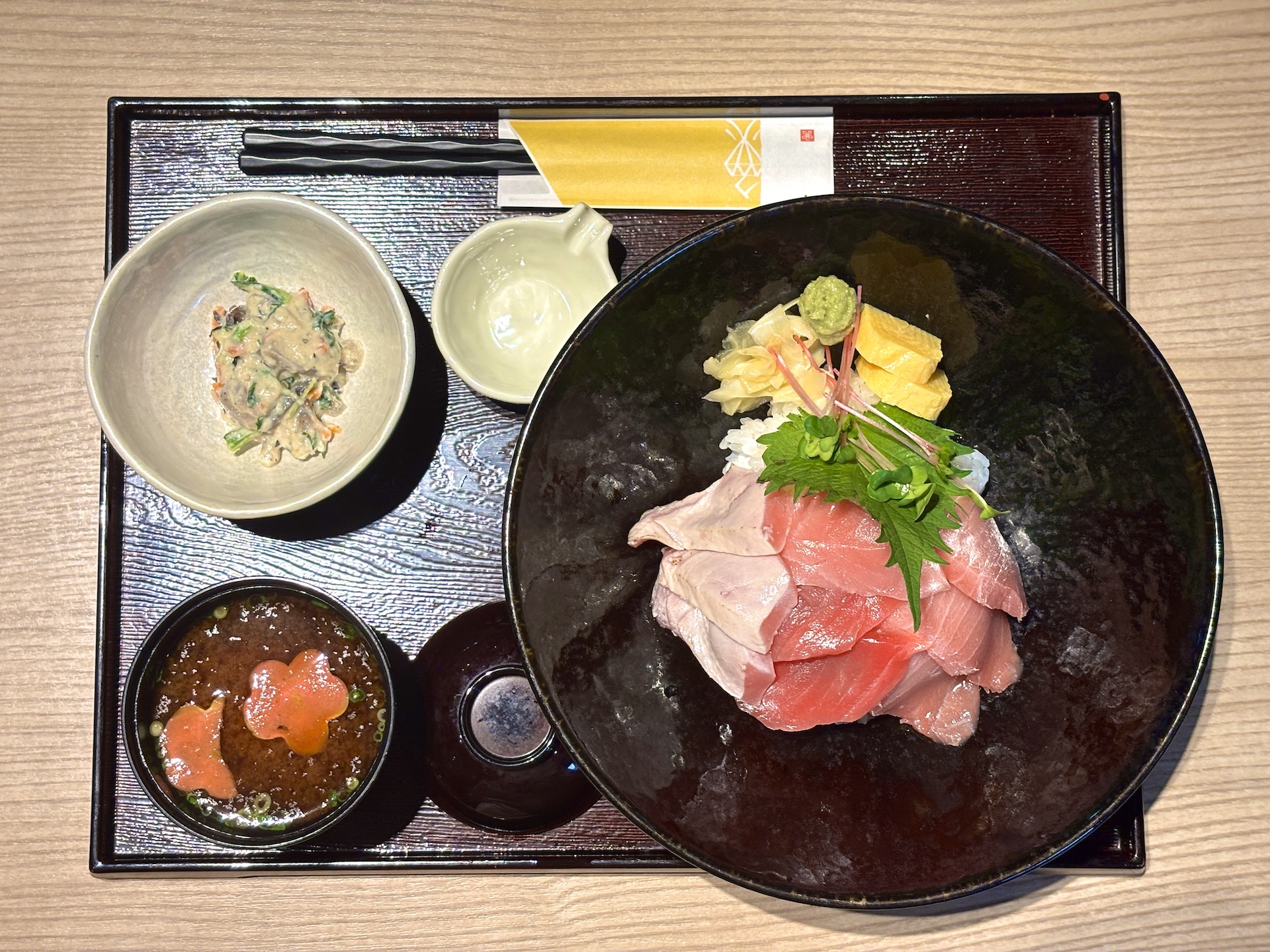
Osaka
Kindai University Aquaculture Research Institute: From Classroom to Table
A polished sushi restaurant in Osaka’s Grand Front serving farm-raised bluefin tuna and other seafood from Kindai University’s aquaculture program.
Read more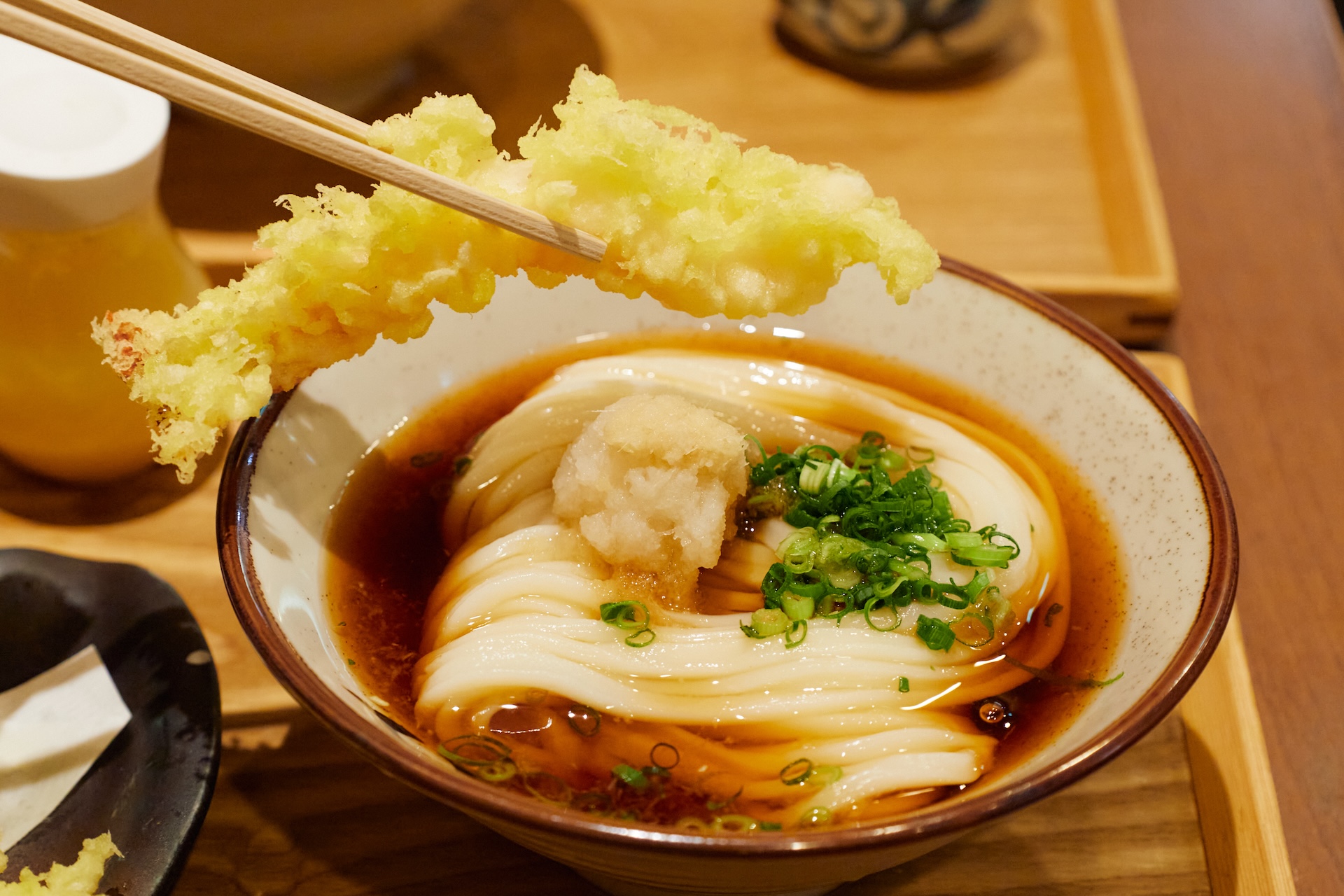
Osaka
Udon Bo: Noodles Worth Lining Up For
Tucked inside an Umeda office building, Udon Bo draws long lines for its handmade Sanuki udon. Owner Ryuichiro Sogo stays true to his Kagawa roots, serving supple, chewy noodles alongside crisp, just-fried tempura. It’s simple, deeply satisfying food that locals return to again and again.
Read more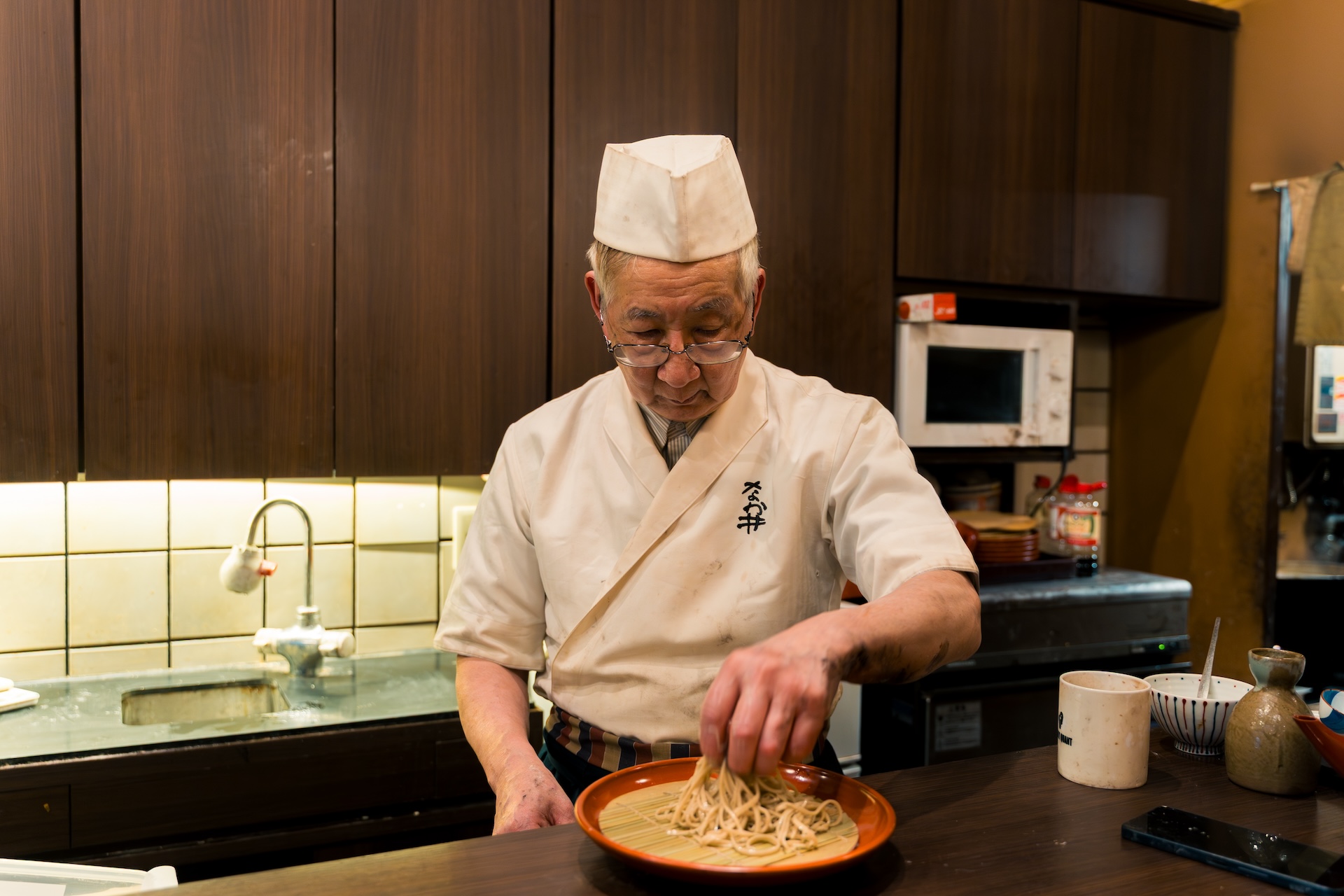
Osaka
Handmade Osaka: A Food Tour Through Craft, Tradition, and Everyday Mastery
Explore Osaka’s food culture through a photo essay of our Tenmabashi tour, from hand-cut soba and sushi to street food and traditional crafts.
Read more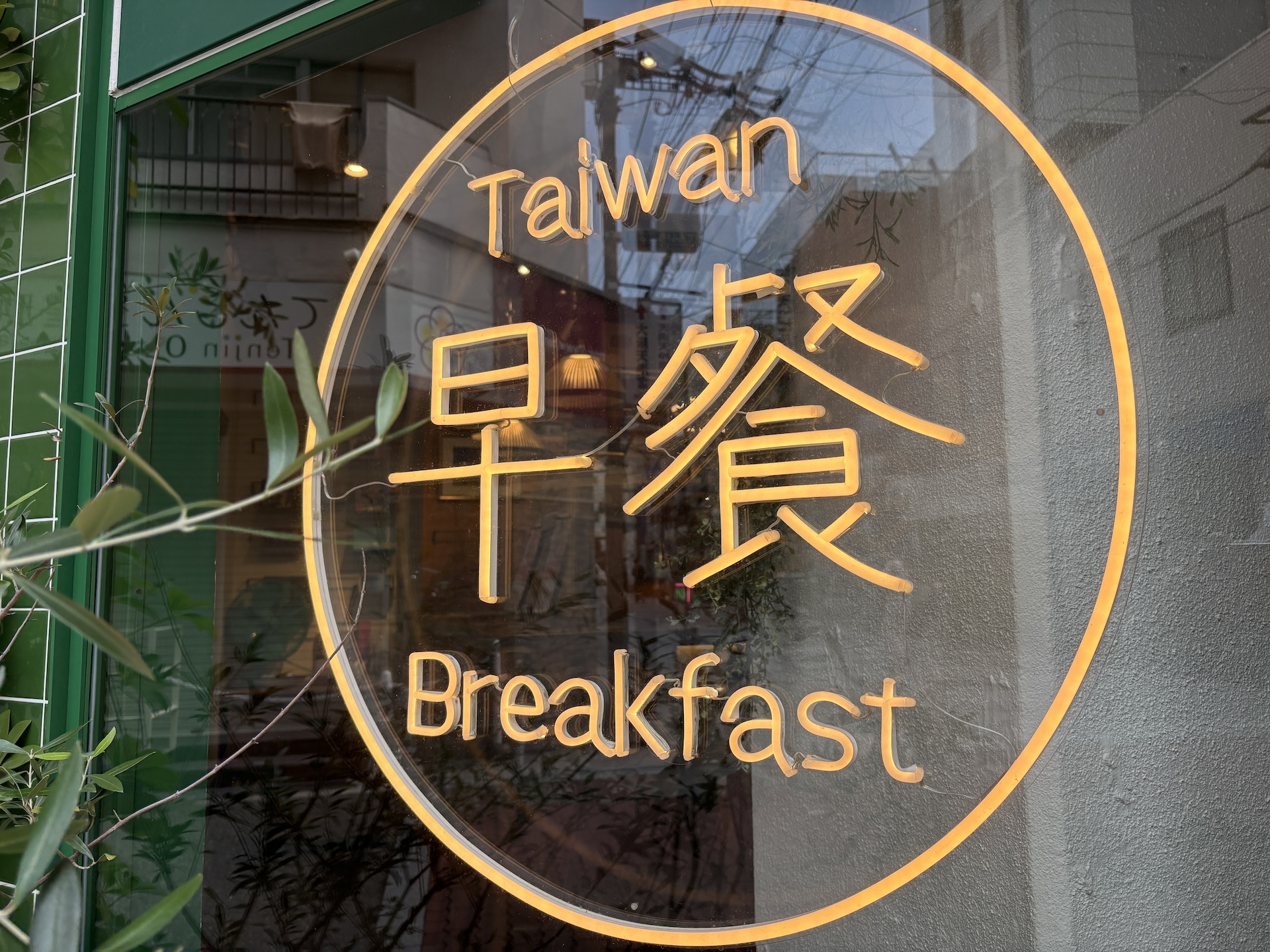
Osaka
Wanna Manna: Taiwanese Breakfast in Osaka
Wanna Manna in Osaka serves all-day Taiwanese breakfast, including soy milk soup, shaobin sandwiches, and Taiwanese rice balls.
Read more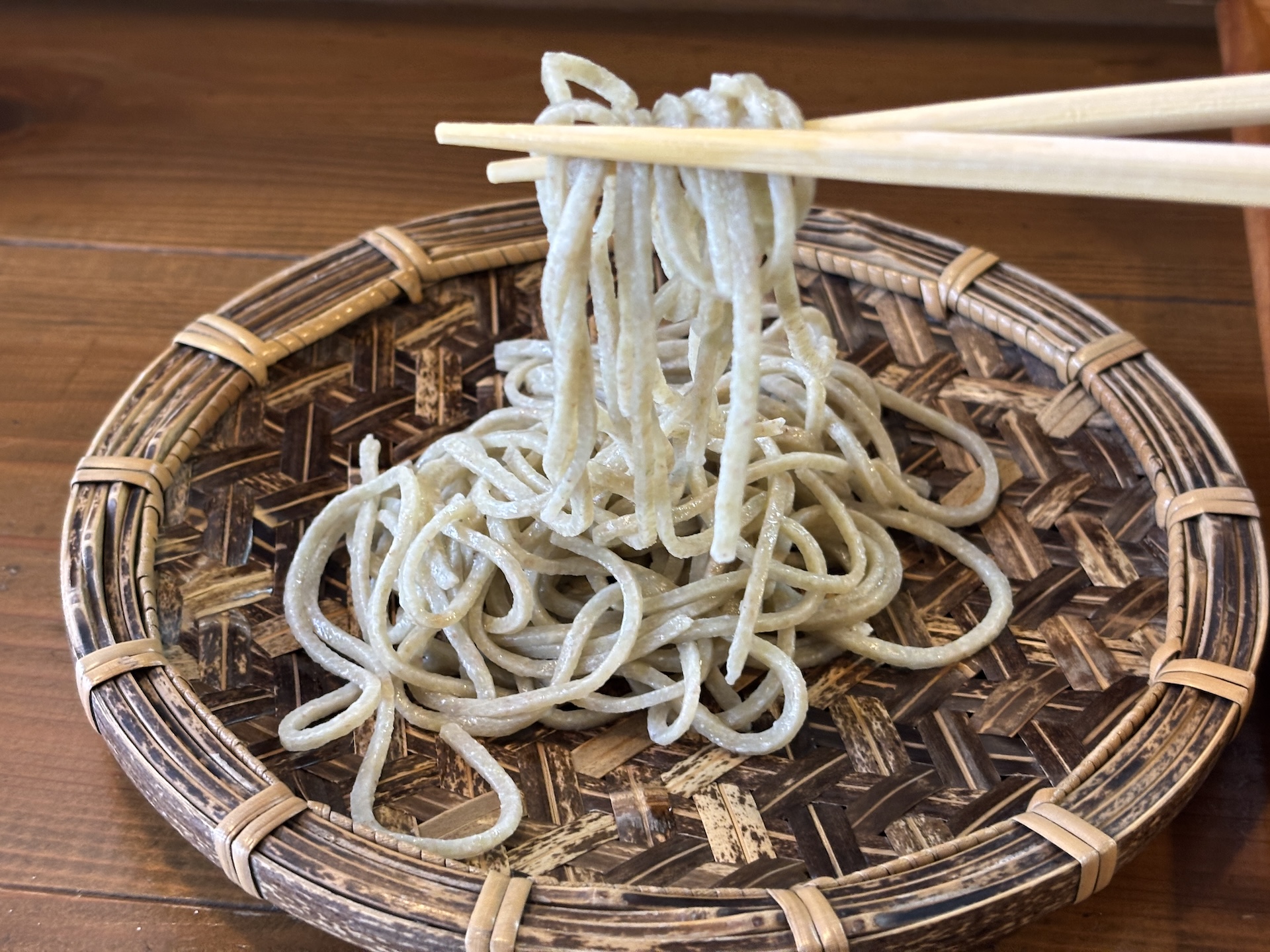
Osaka
Sobakiri Arabompu: A Shrine to Japanese Buckwheat
In a side street in Nishi-Tenma, Sobakiri Arabonpu serves hand-ground, hand-cut soba that must be eaten within minutes. A family-run shop with a Michelin Bib Gourmand and a devoted local following, it shows how far craftsmanship can go in a city known for fast, casual food.
Read more
Osaka
Higobashi: Osaka Food Oasis
The Higobashi area in Osaka’s Nishi Ward is an eclectic gastronomic oasis off the beaten path. While many head to the obvious tourist spots of Namba and Umeda to grab a bite, under-the-radar Higobashi is home to a diverse mix of eateries that showcase Osaka’s lesser-known flavors. While often seen as high end, the area has plenty of budget-friendly lunch spots and artisan sweets nearby. Also notable are the number of owner-run shops with a staff of one – think running the register with the left hand and rolling out dough with the right! Read on for our selection of some of the best offerings in this quaint neighborhood.
Read more
Osaka
Osaka Station City: Where to Find the Best Underground Eats
The bustling Umeda district is the unofficial downtown of Osaka, and new visitors to the city might be surprised to find that much of it is underground, in the form of “Osaka Station City,” the nickname for the one-square-mile subterranean metropolis that connects to all major trains in the area. One could spend a whole day here without seeing sunlight! But avoiding the rays isn’t the charm of this spot – it’s the food scene. Here are some of our picks for the best places to eat in Osaka Station City.
Read more
Osaka
Hakusendo: Hidden Candy Shop Cafe
Eastern Osaka's Joto shotengai, or commercial district, is a sleepy shopping arcade frozen in a bygone era. Walking down its twisting alleyways of faded storefronts leads to a colorful candy shop whose stacks of sugary treats conceal a hidden cafe called Hakusendo. Built to look space-age futuristic in 1970 to coincide with the Osaka World Fair, this kissaten (a term for similar Western-influenced Japanese coffee and tea shop of the 20th century) is now considered a retro masterpiece. This one-of-a-kind treasure has caught the eye of Japanese TV programs, local newspapers and influencers alike – attracting visitors to what would otherwise be an off-the-radar location.
Read more
Osaka
First Stop: Bjorn Heiberg’s Osaka
Let me first say that Japan hit me very hard when I first arrived because I did not speak the language. I was not a pork eater at the time (I grew up on a farm and pigs were my pets, not dinner) but after my first two weeks in Japan all I was eating was basically breaded pork chops, because that's the only thing I knew how to order in Japanese. You eat or you starve. And when it gets to that point, it's just being able to order that’s the first barrier.
Read more
Osaka
Exploring Osaka by Night
Osaka may be especially well known for its bright and busy Dotonburi district, but that same vibrancy is easily found all over the city, both in the people and urban scenery. It’s the same when it comes to the city’s nightlife, with no shortage of local eateries and street vendors to experience – places that are similarly appealing to photograph as well as step inside – whether it be a sit-down restaurant, a standing bar, or simply a spot to grab a quick snack when on the go. There is something special about wandering Osaka at night and seeing it come to life, including hidden gems that may have been easily overlooked in the daylight. Locations that are made all the more memorable by the people who own and frequent them, as the general stereotype of Osaka natives being friendly and open invariably rings true, meaning eating spots are as convivial as they are colorful. It’s a combination that makes each and every night out in Osaka a fun and varied one.
Read more


Daily Dispatches from the Frontlines of Osaka

Get Your Free Osaka Pocket Guide
Introducing our pocket-sized Osaka guide — perfect for your next culinary adventure. Yours free when you sign up for our newsletter.
Get Your Free Osaka Pocket Guide
Introducing our pocket-sized Osaka guide — perfect for your next culinary adventure. Yours free when you sign up for our newsletter.
Immersive Multi-Day Journeys In and Around the World’s Culinary Capitals
View all trips

Your trips, powered by our picks
Curated Osaka Travel Boards


Culinary Backstreets® Envoys, Always Searching for the Next Hidden Gem

Yoko
Osaka Tour Leader

Miyo
Osaka Tour Leader

Yuka
Osaka Tour Leader

Aki
Osaka Tour Leader

Keiji
Osaka Tour Leader

Yuichi
Osaka Tour Leader

Yukiko
Osaka Tour Leader

Yuko
Osako Tour Leader

Ikuko
Osaka Tour Leader

Hikaru
Osaka Photographer
Your Questions, Answered
Osaka is on Osaka Bay but is a working port, not a beach city. For sand and swimming, most Osaka residents go to Wakayama or Awaji Island (1.5 hours) in summer.
While Japan is becoming increasingly accessible, with improved infrastructure at many train stations and tourist attractions, navigating some of Osaka’s older neighborhoods with narrow streets and uneven surfaces may present challenges. It’s always wise to check accessibility information in advance.
For first-time visitors, the Namba and Umeda areas offer convenient access to major attractions and transportation hubs. If you’re seeking a more local vibe, consider staying in the Shinsekai district, known for its retro atmosphere and kushikatsu (skewer) restaurants.
Yes. US passport holders enter Japan visa-free for stays up to 90 days. No vaccination or testing requirements. From 2026, Japan is rolling out the JESTA pre-authorization system, check if it's active before travel.
Osaka sits in Japan’s Kansai region, on the island of Honshu. Historically a merchant city, Osaka’s position on the Yodo River and Osaka Bay has played a big factor in shaping its identity. Think of it as Japan’s pantry – a place where kuidaore (“eating oneself bankrupt” or, more colloquially, “eat until you drop”) is a badge of honor.
Beyond the obvious – diving headfirst into the city’s well-known street food scene – you can lose yourself in the glittery maze Dotonbori or find tranquility in the serene Sumiyoshi Taisha shrine, one of the oldest in Japan. For a taste of the contemporary, explore the trendy boutiques and galleries of the Amerikamura district.
Osaka is a great year-round destination, but spring (March-May) and autumn (September-November) is when the weather is most reliably pleasant. Spring brings cherry blossoms and autumn is painted in red and gold – this can mean more tourists, but it also makes for some unforgettably spectacular foliage.
Osaka’s got four distinct seasons. Summers are hot and humid; winters are fairly mild. Be prepared for the rainy season in June and July, and occasional typhoons in late summer and early autumn.
Osaka can be surprisingly affordable, especially when compared to its big sister Tokyo. While high-end dining and accommodation options abound, there are plenty of budget-friendly alternatives. From affordable izakayas (pubs) to delicious street food, you can easily eat well on the cheap.
Osaka has a low crime rate and is considered quite safe. As with any major city, it’s always wise to be mindful of your belongings and surroundings, especially in crowded areas.
Kansai International Airport (KIX) serves as the main gateway to Osaka, with direct flights from many international destinations. If you’re already in Japan, the shinkansen (bullet train) offers a swift (2.5-3.5 hours) and scenic journey from Tokyo.
Known as “Japan’s kitchen,” Osaka has a lot going on culinarily. Start with the iconic takoyaki (octopus balls) and okonomiyaki (savory pancakes), and get ready for a diverse array of offerings, from family-run tachinomi (standing bars) to Michelin-starred restaurants.
Our favorite restaurants in Osaka range from hole-in-the-wall ramen joints to Michelin-starred sushi places. Right now, we’re obsessed with Takoyaki Shop, which you can read about in our piece on exploring Osaka by night.
A family-friendly city, Osaka has plenty to offer young travelers. There’s interactive exhibits at the Osaka Science Museum and even Universal Studios Japan. It can get crowded, so consider basing your family in areas like Namba or Umeda, which offer wider streets and better pedestrian infrastructure.
Takoyaki (octopus balls), okonomiyaki (Osaka-style, cabbage-heavy), kushikatsu (deep-fried skewers, no double-dipping), horumon-yaki (offal grill), fugu (winter), and Osaka-style pressed sushi (battera). Beer or highball with everything.
Dotonbori for street food and neon (though touristy). Namba for izakaya-hopping. Kuromon Market for produce and quick lunches. Fukushima for izakayas locals actually go to. Nakazakicho for cafés and young chefs. Kita-Shinchi for higher-end kappo cuisine.
Culinary Backstreets runs two tours in Osaka. Handmade Osaka: Craft, Flavor and the Shokunin Spirit is a full-day walk through the neighborhoods where craft-food traditions (knife-makers, sake, standing sushi, tempura, wagashi) still live. Umami Town: Feasting, Osaka Style is the classic Osaka street-food walk, from Dotonbori and Kuromon Market through Namba's izakayas and takoyaki stalls.
Osaka is loud, cheap, and cabbage-and-batter-heavy: takoyaki, okonomiyaki, kushikatsu, horumon. Tokyo is elegant, seasonal, and technique-heavy: sushi, kaiseki, tempura, soba. Osakans call themselves "kuidaore" (eat till you drop), Tokyoites say Osaka just eats a lot of fried dough.
All three. Solo travelers do brilliantly at counter seats, standing bars, and takoyaki stalls, this is Japan's most solo-friendly food city. Families are welcome and kids love the visual-theater food (takoyaki, okonomiyaki). Groups of four to six work best for izakaya nights and shared kushikatsu counters.
Two full days for Osaka itself, plus one for Kyoto and one for Kobe (both under 30 minutes by train). Osaka is compact, you can hit the Dotonbori food-street strip in a night, then dig deeper in Fukushima or Nakazakicho on day two.