We can't find the internet
Attempting to reconnect
Something went wrong!
Hang in there while we get back on track
Recipe: Tteokguk, the Lunar New Year Soup That “Makes You Older”


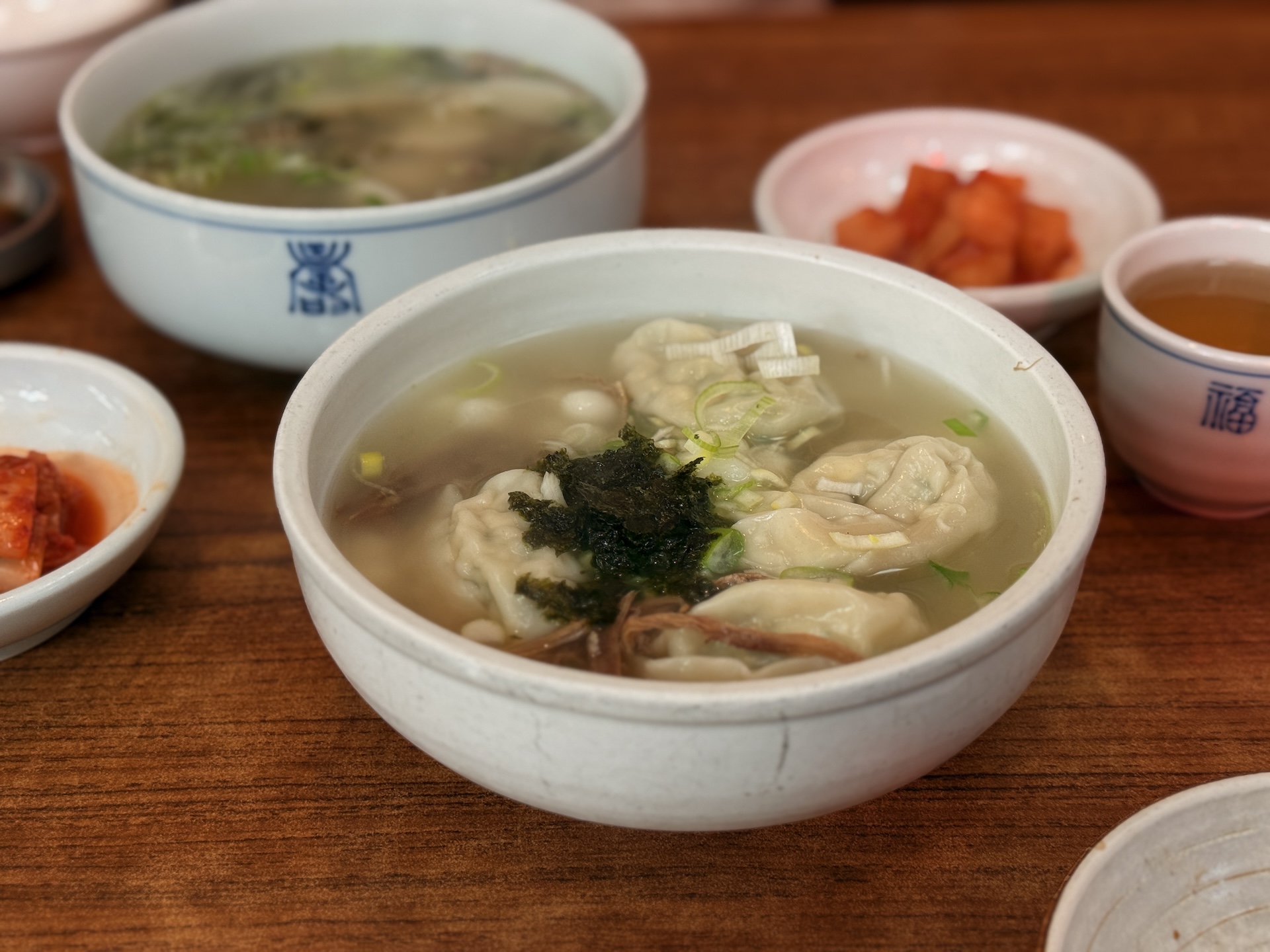
Recipe Information
This recipe features the traditional method of simmering the brisket whole, then removing it to season separately. However, if you prefer a simpler approach, you can dice the beef, sauté it in sesame oil, then simmer it with the broth ingredients. This way, you can add the rice cakes directly to the finished broth without the extra step.
Serves 2
Ingredients
1 tsp minced garlic
1 tbsp plus 1 tsp soy sauce
300g sliced rice cakes for tteokguk
1/2 stalk scallions (silpa)
1 egg
Crumbled or shredded seaweed (gim-garu)
Salt and pepper to taste
For the broth
1 stalk Korean long green onion (daepa)
5 cloves garlic
200g beef brisket (yangji meori)
800ml water
Preparation
Step One
Wash the Korean long green onion thoroughly, trim the roots, and cut into 10 cm lengths. Trim the bottoms off the garlic cloves. Place the beef brisket, Korean long green onion, and garlic in a pot. Add the water and bring to a boil.
Step Two
Reduce the heat to maintain a gentle simmer and cook for 40 minutes. Strain the broth through a fine-mesh sieve, returning only the broth to the pot. Discard the Korean long green onion and garlic, and set the beef brisket aside to cool. Once the brisket has cooled, tear it into fine strips by hand along the grain, removing any fatty or undesirable bits.
Step Three
In a small bowl, combine the torn brisket with minced garlic, 1 tsp soy sauce, and a pinch of pepper. Mix well. Place the rice cake slices in a bowl and cover with cold water. Let them soak for about 20 minutes.
Step Four
Return the pot to the heat and bring the broth to a boil. Season with 1 tbsp soy sauce, then taste and adjust the seasoning with salt as needed. Add the rice cakes and seasoned torn brisket, then simmer gently for 10 minutes.
Step Five
While the soup simmers, prepare the garnishes. Wash the scallions, trim the roots, and slice them finely. If using sheet seaweed, cut it into thin strips with scissors or crumble it into small pieces.
Step Five
Crack the egg into a small bowl and beat well. Season lightly with salt and pepper. Heat a thin layer of oil in a skillet and pour in about half the beaten egg, tilting the pan so the egg spreads into a very thin layer. Once one side is cooked, carefully flip and cook the other side. Transfer to a paper towel-lined plate to cool. Transfer the egg crepe to a cutting board, roll it up tightly, and slice it into thin ribbons.
Step Six
Ladle the tteokguk into bowls and garnish with the scallions, egg ribbons, and seaweed. Serve with kimchi on the side for an even better experience.
Notes:
*Scallions (silpa) are thin scallions commonly used as a garnish in Korean cuisine. If unavailable, substitute with the regular scallions or chives.
*Crumbled seaweed (gim-garu) can be purchased pre-made or made by cutting Korean roasted seaweed sheets into small pieces with scissors. If unavailable, it can be omitted.
*Korean long green onion (daepa) is thicker and more pungent than scallions. It's primarily used in Korean soups and side dishes. If unavailable, substitute 1 stalk of daepa with 3 stalks of regular scallions.
Related Stories
We can't find the internet
Attempting to reconnect
Something went wrong!
Hang in there while we get back on track
Location & Contact
Book our Award-Winning Seoul Food Tour
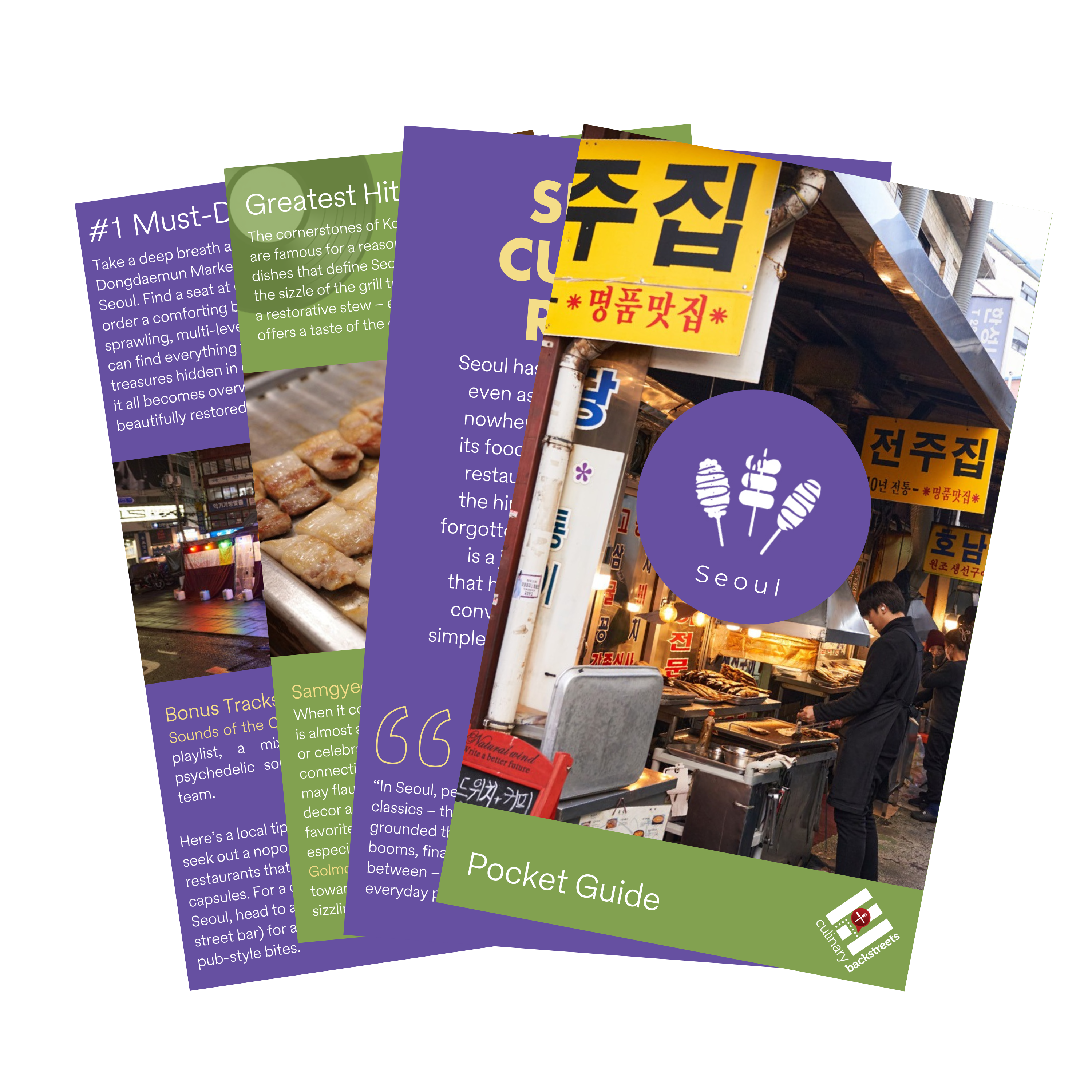
Get Your Free Seoul Pocket Guide
Introducing our pocket-sized Seoul guide — perfect for your next culinary adventure. Yours free when you sign up for our newsletter.