S M B O measurement-vertical measurement-vertical

Latest Stories, Seoul

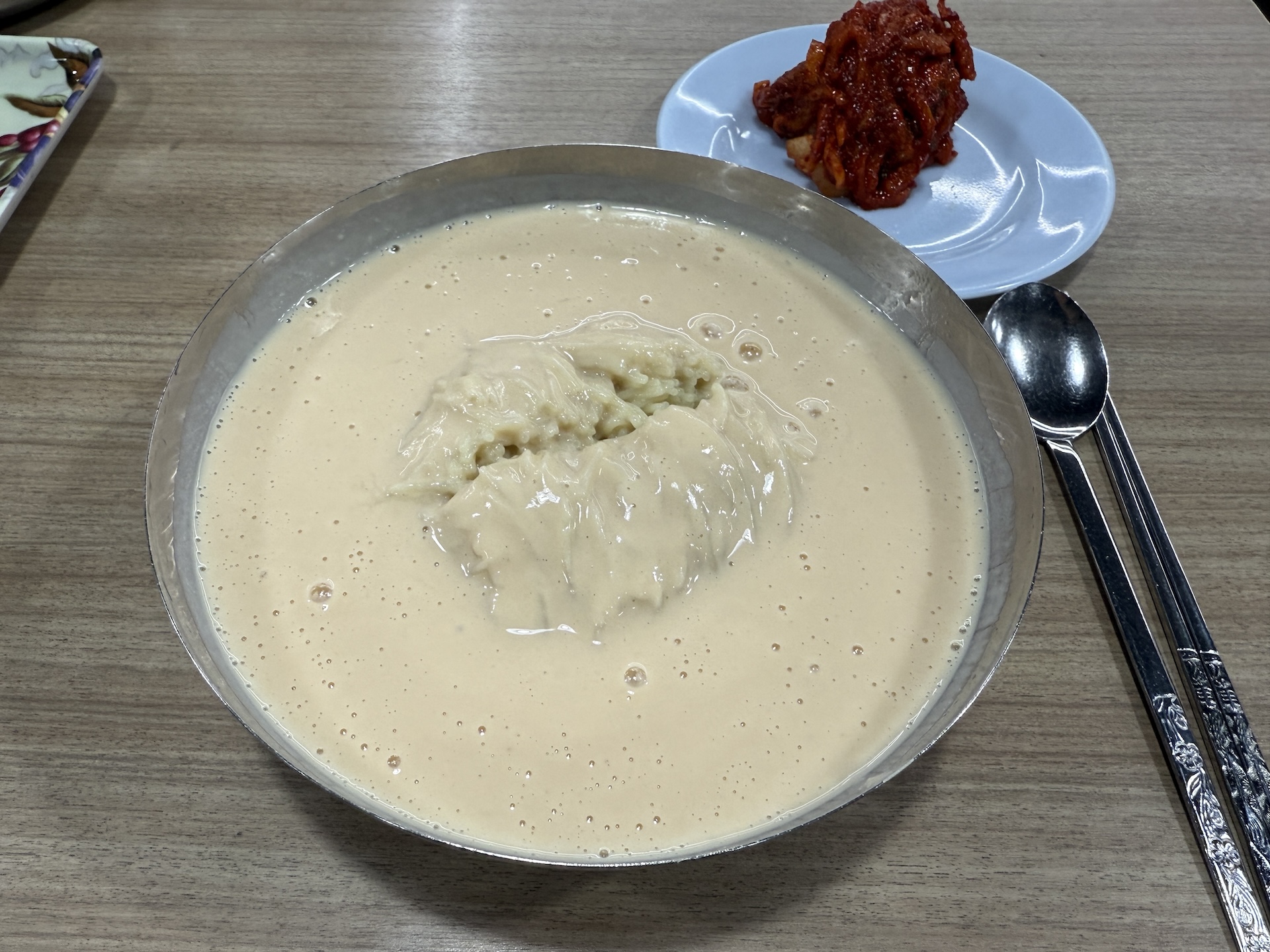
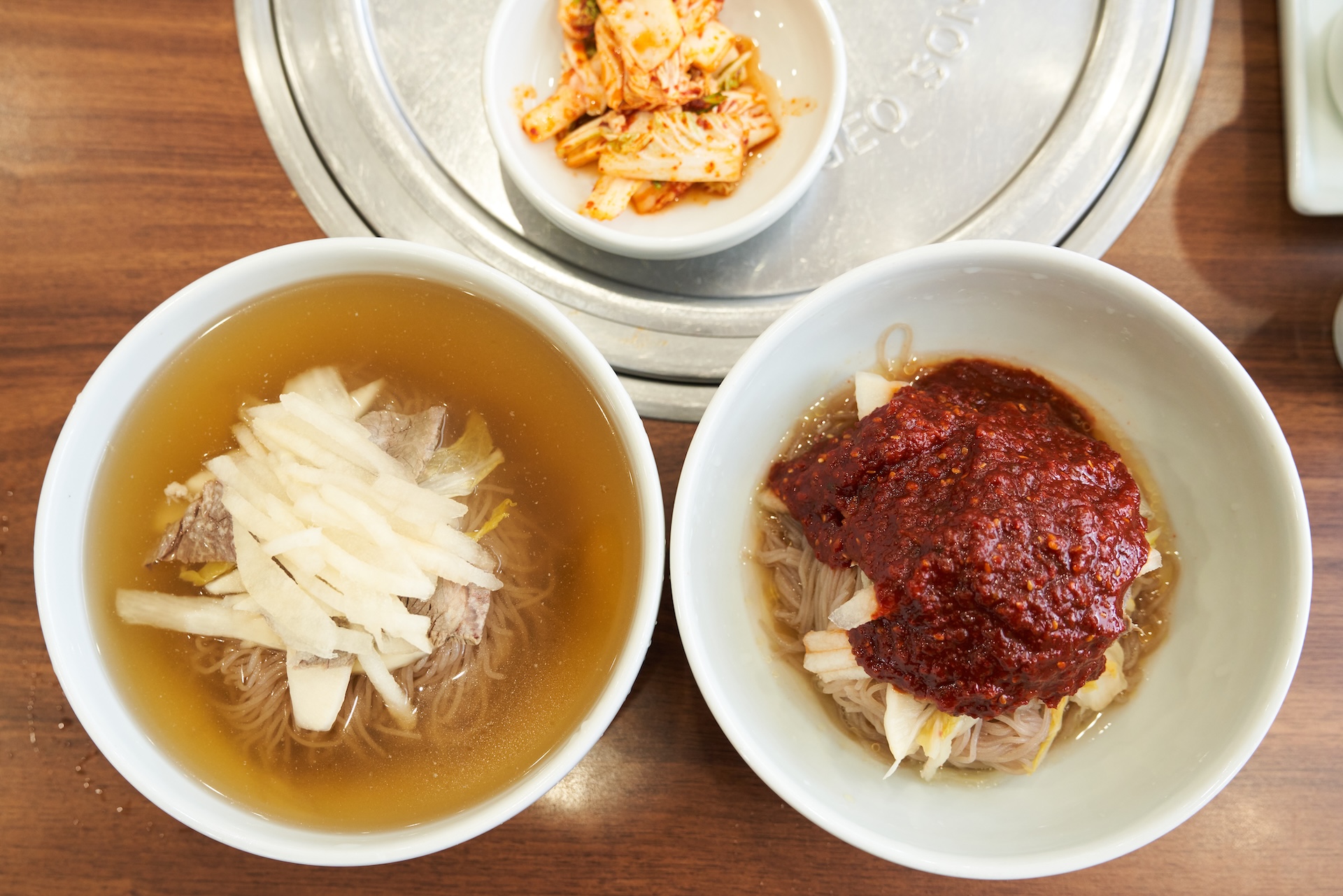
In Seoul, Summer Comes in a Cold Bowl of Soup Featured Image

From naengmyeon and kong-guksu to chilled chicken broth and buckwheat jelly, these are the cold noodles and soups that define summer in Seoul.

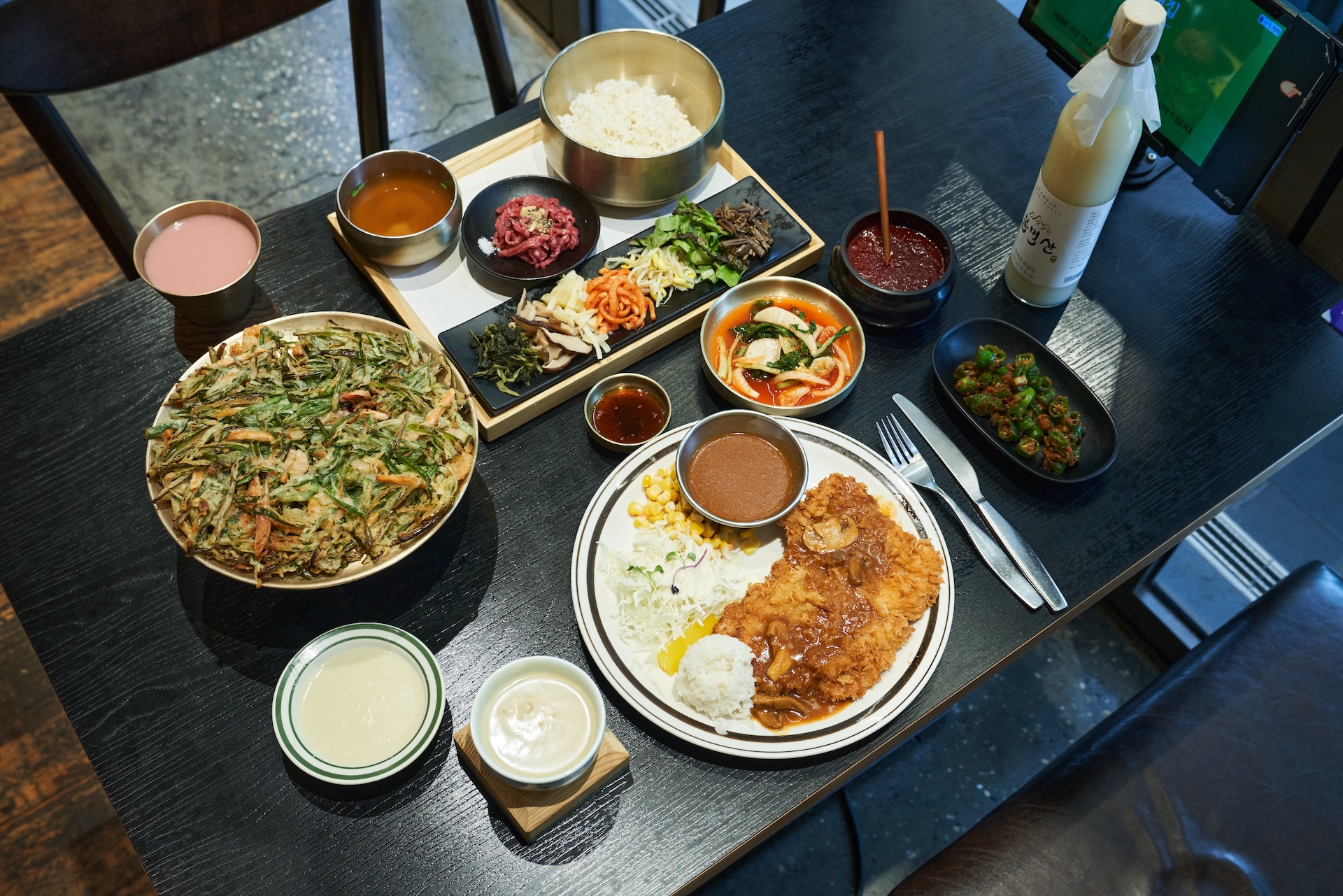
Namsan Sanchajip: Seoul’s Mountain Pork Cutlet With a Korean Soul Featured Image

A Namsan restaurant serving king-sized Korean pork cutlet alongside brassware bibimbap, savory jeon, and house makgeolli made in honor of the mountain’s old name.

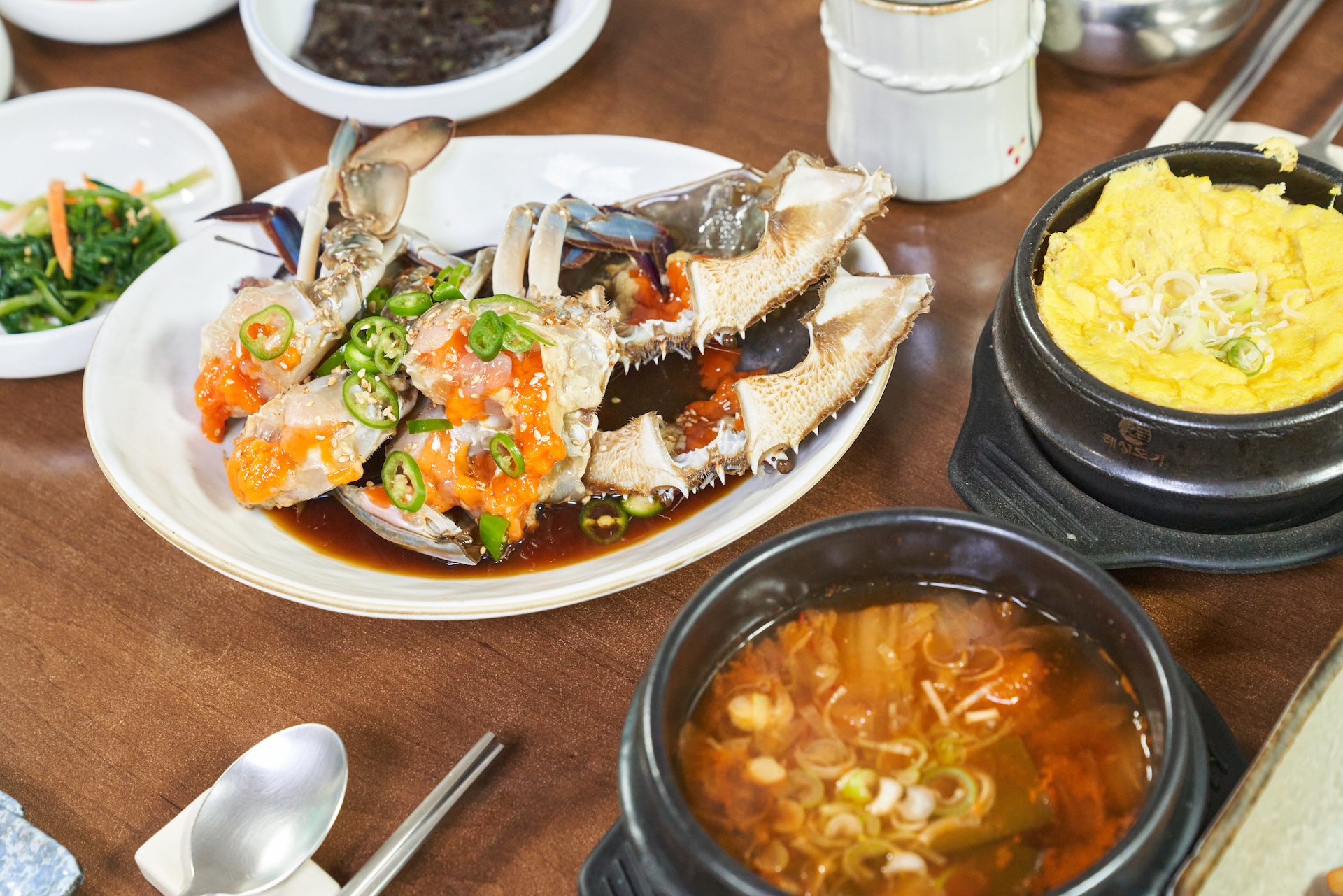
Jinmi Sikdang: Seoul’s Master of Soy-Marinated Raw Crab Featured Image

A family-run Mapo institution devoted to ganjang-gejang, where soy-marinated raw crab and warm white rice make an unforgettable pair.

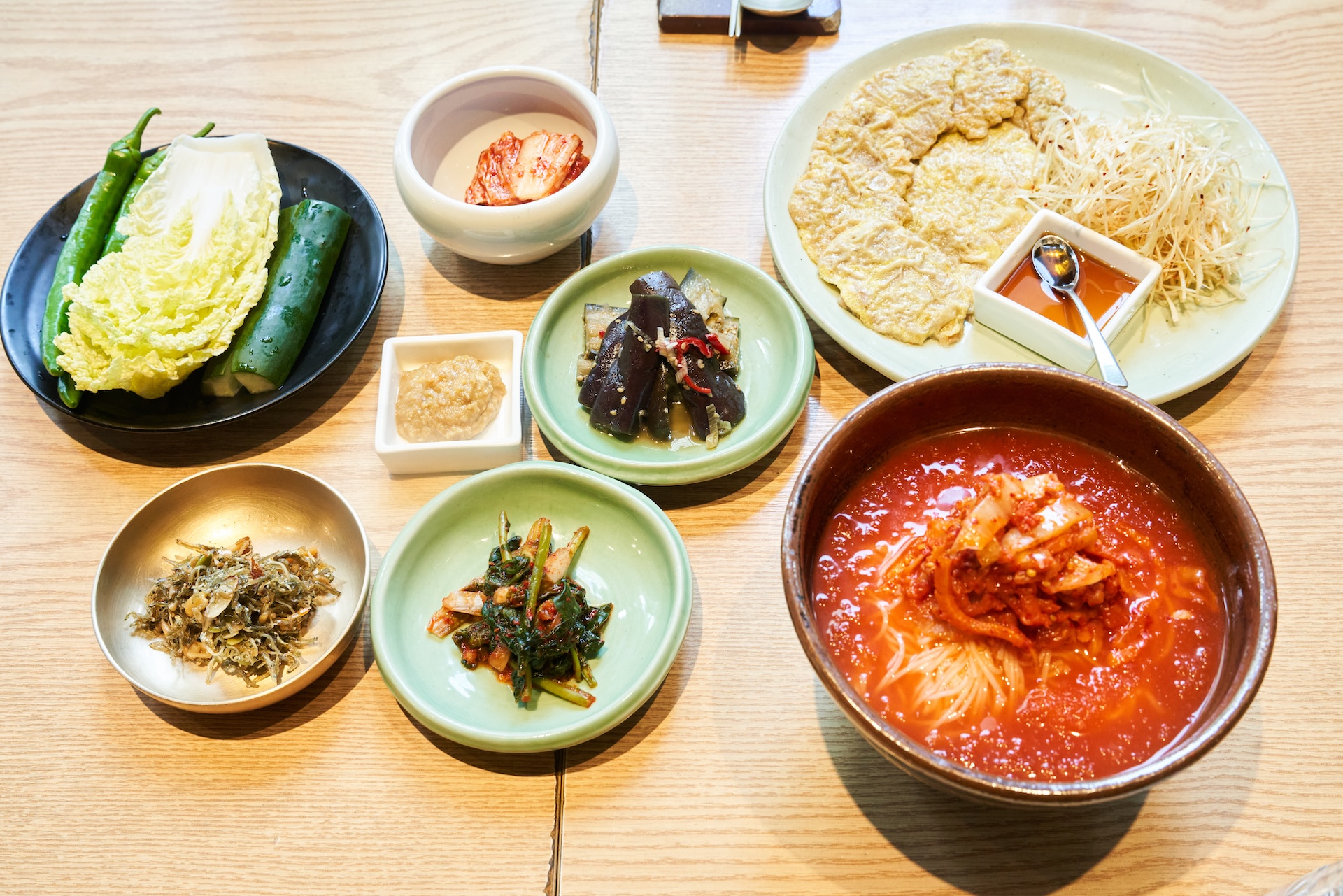
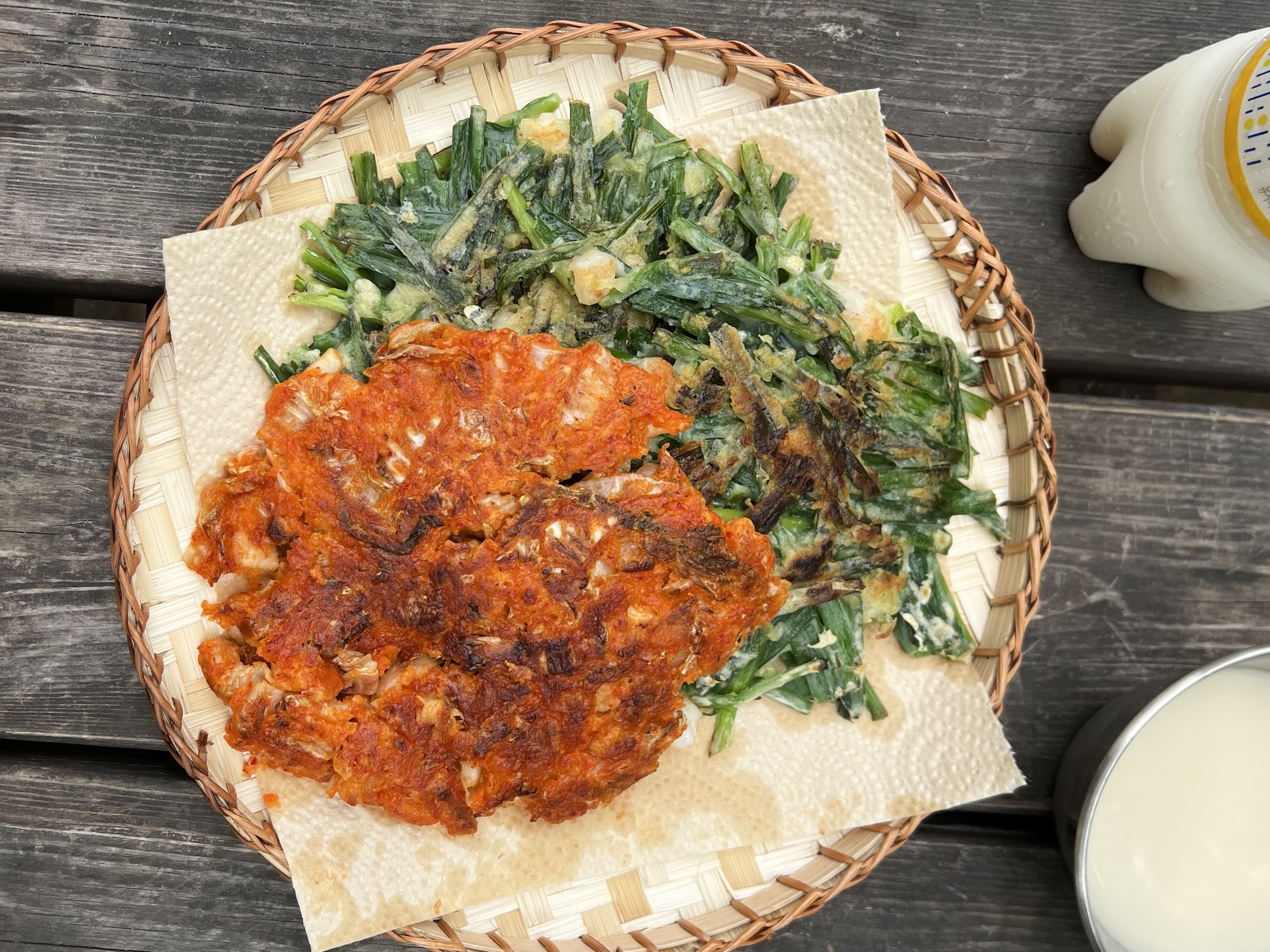
Recipe: The Best Kimchi Jeon Starts with Old Kimchi Featured Image

This kimchi jeon recipe uses aged kimchi, pork, and buchim garu to make one of Korea’s most comforting savory pancakes, especially beloved on rainy days.

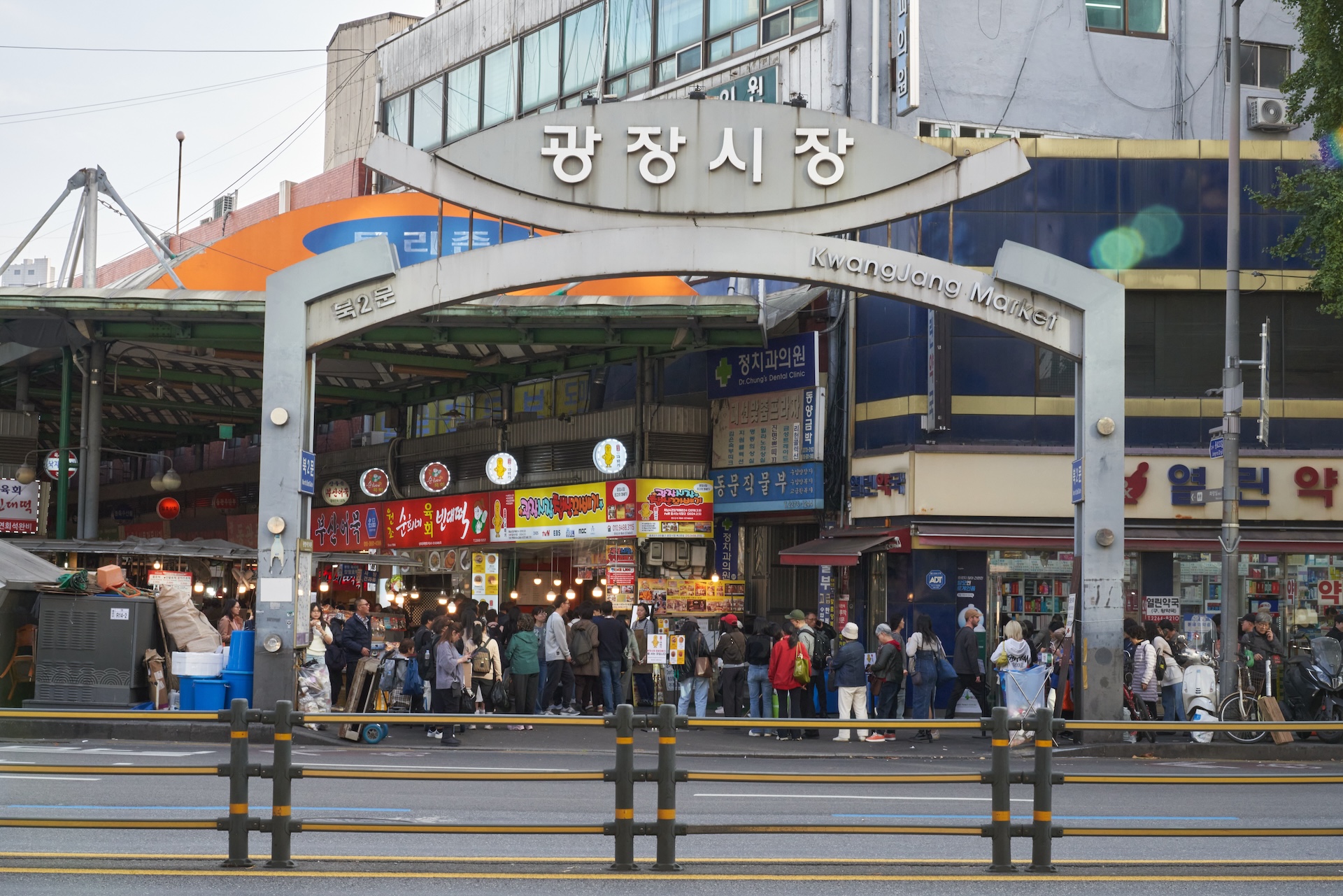
Gwangjang Market: Seoul’s Historic Street Food Heart Featured Image

A historic Seoul market where the crowds come for bindaetteok, mini gimbap and the constant rhythm of eating shoulder to shoulder.

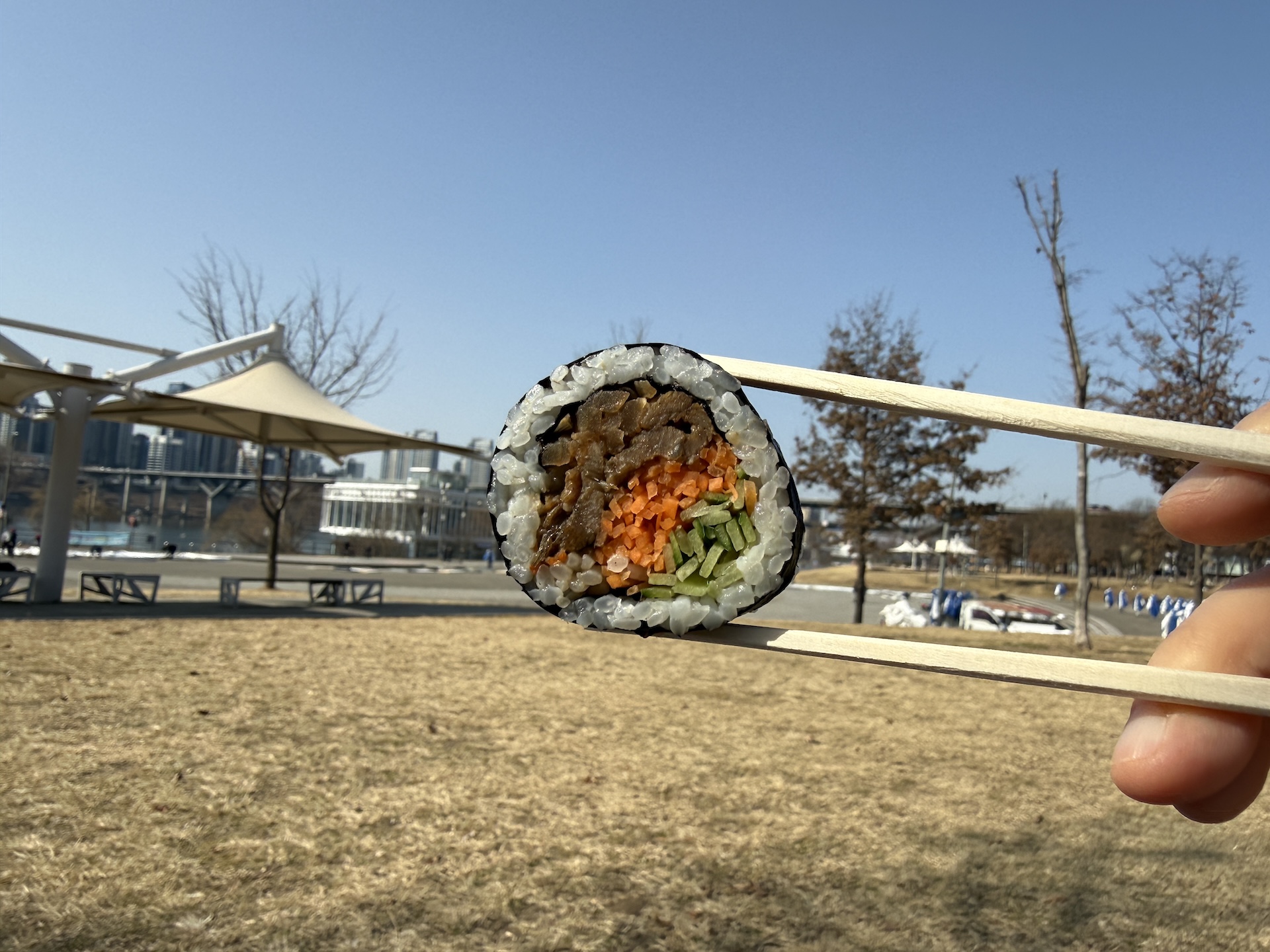
Gimbap picnic in Seoul, photo by Yeonjoo Jung

Gimbap is one of Korea’s most enduring everyday foods: a portable rice roll packed for school trips, hikes, desk lunches, and picnics. This story explores why it matters.

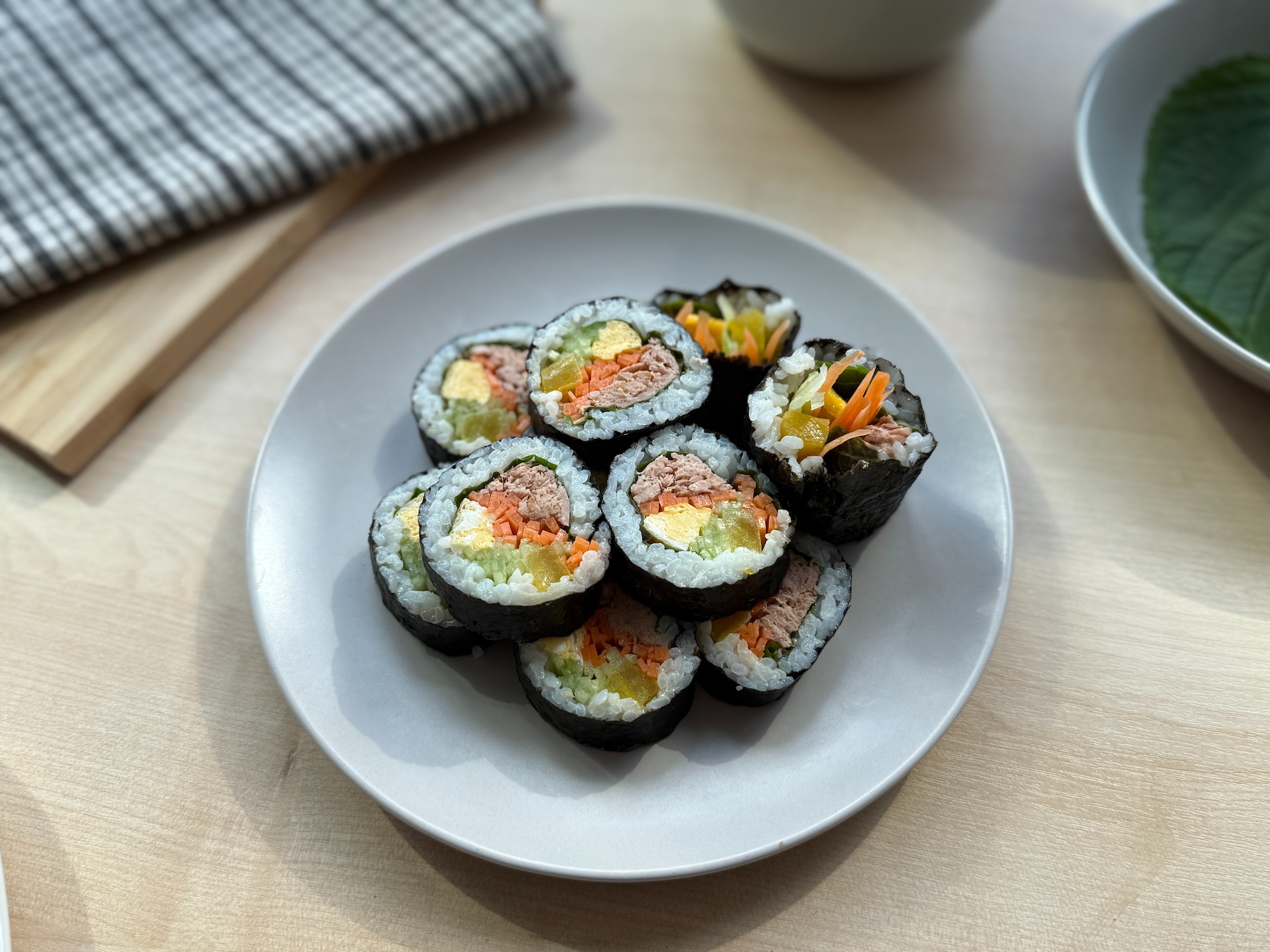
Recipe: Tuna Gimbap, Korea’s Favorite Picnic Roll Featured Image

Learn how to make tuna gimbap, a classic Korean rice roll filled with vegetables and seasoned tuna, and discover why it remains a staple of Korean food culture.

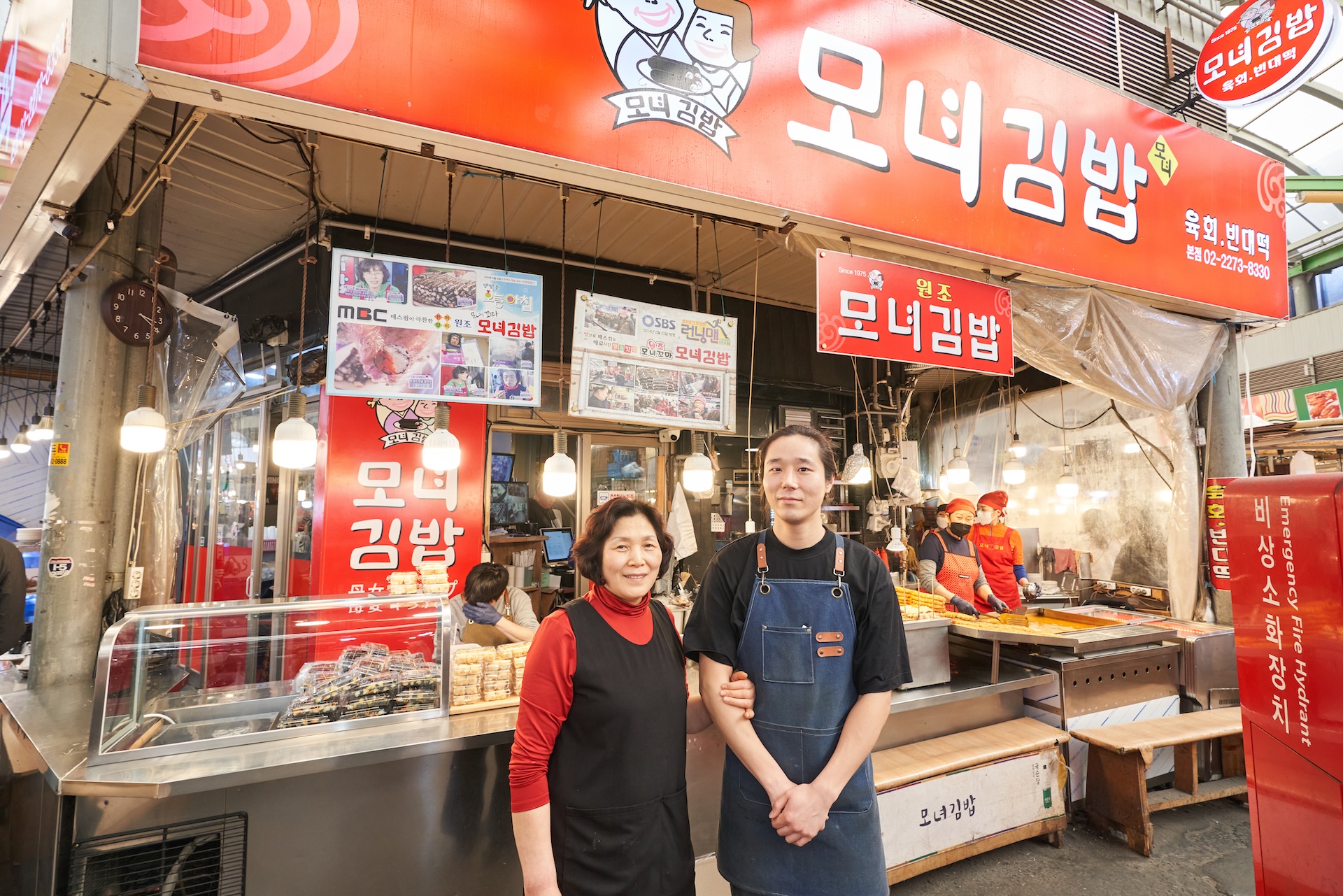
Story Image

At Gwangjang Market, Monyeo Gimbap turned a tiny, stripped-down roll of carrot and pickled radish into one of Seoul’s most famous snacks. The secret is not just the gimbap itself, but the sharp mustard-soy dipping sauce and the market rhythm that keeps people ordering one more plate.

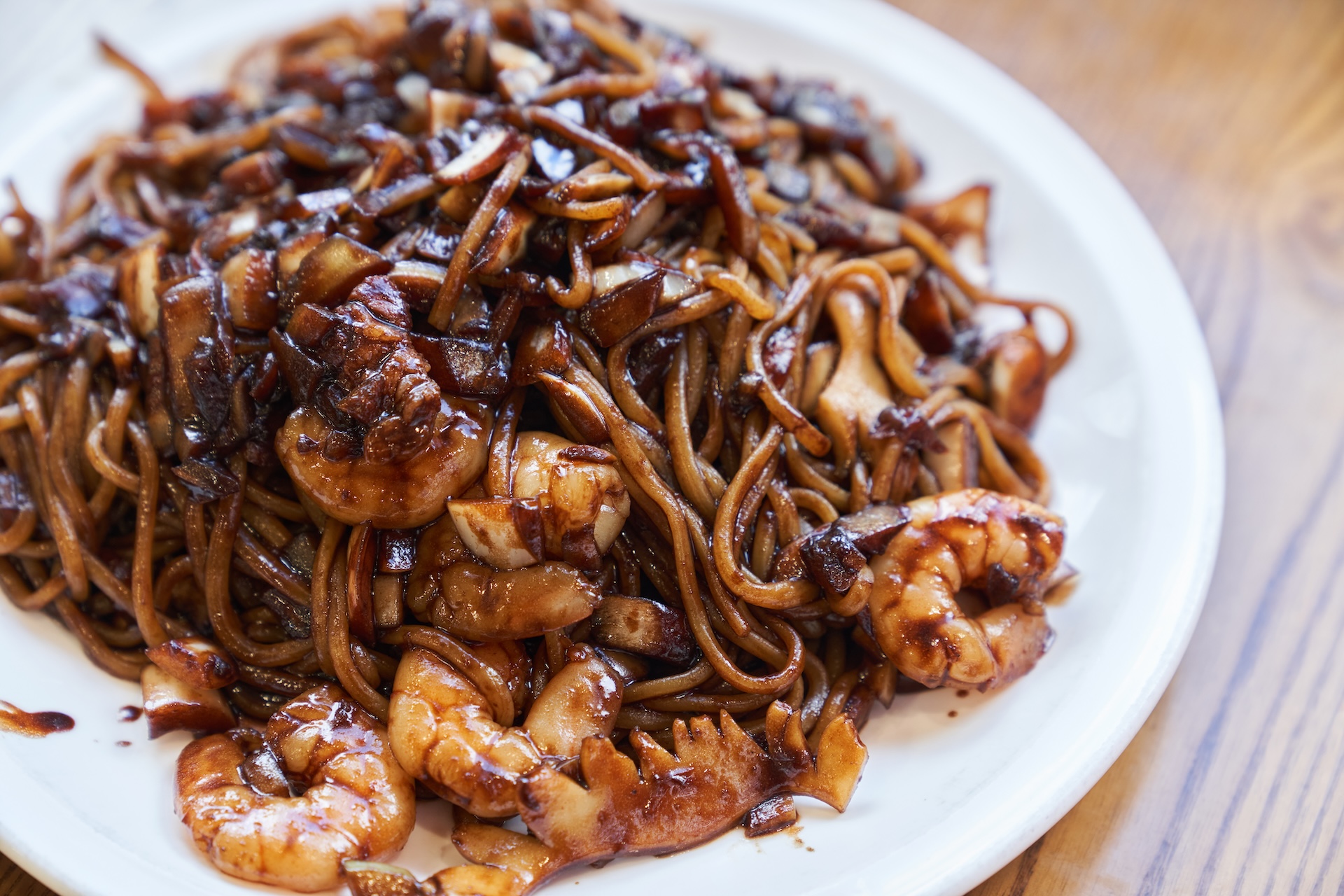
Fuyoungak: A Seoul Institution for Classic Jajangmyeon Featured Image

Founded in 1970, Fuyoungak is one of Seoul’s enduring Korean-Chinese restaurants, where handmade dumplings, fiery seafood jjamppong, and comforting bowls of jajangmyeon have been served for generations.

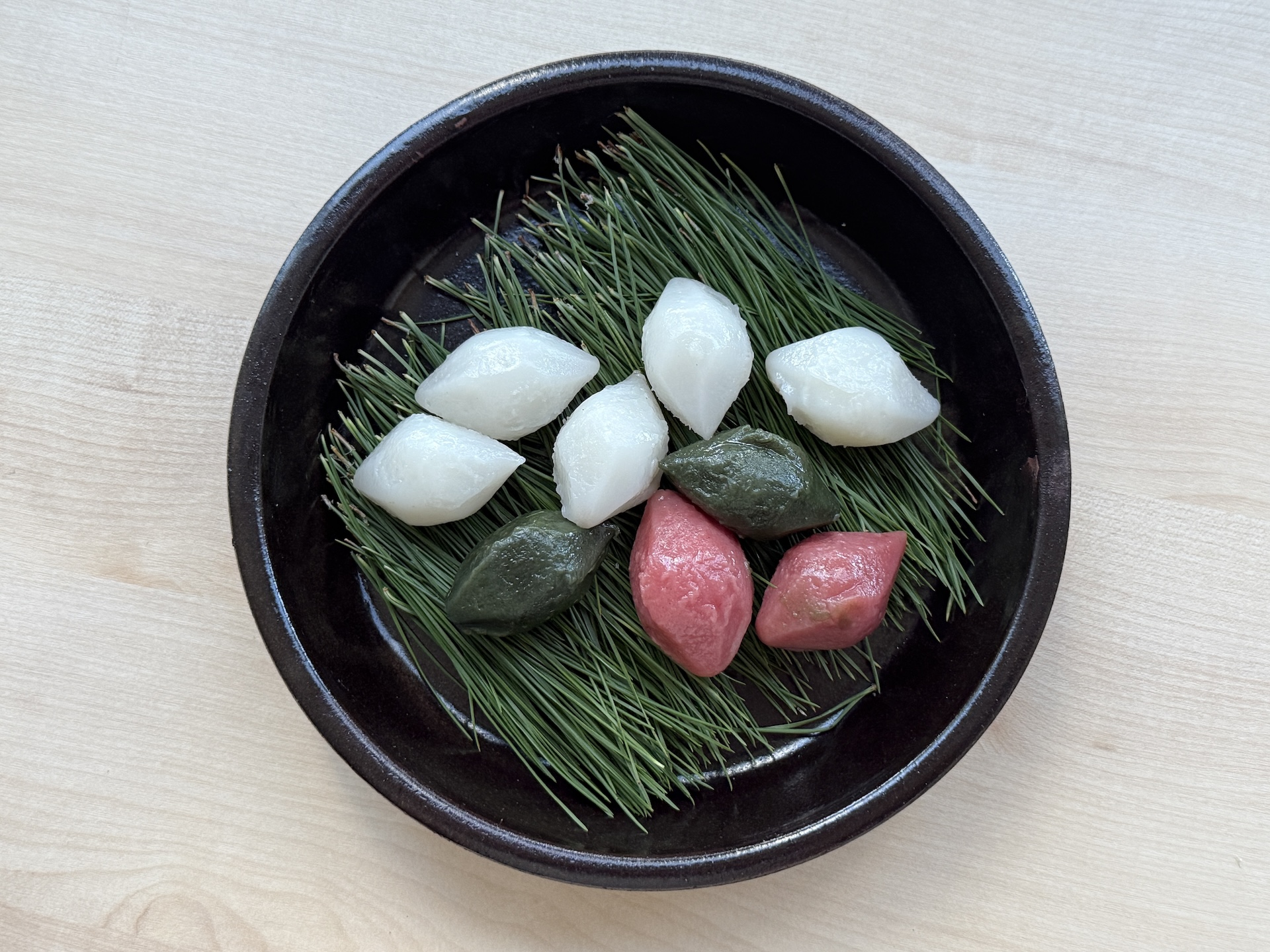
Recipe: Tteokguk, the Lunar New Year Soup Koreans Eat to “Grow Older Featured Image

A traditional Korean rice cake soup eaten on Lunar New Year, tteokguk carries centuries of meaning — from longevity and prosperity to the playful idea that one bowl makes you a year older.

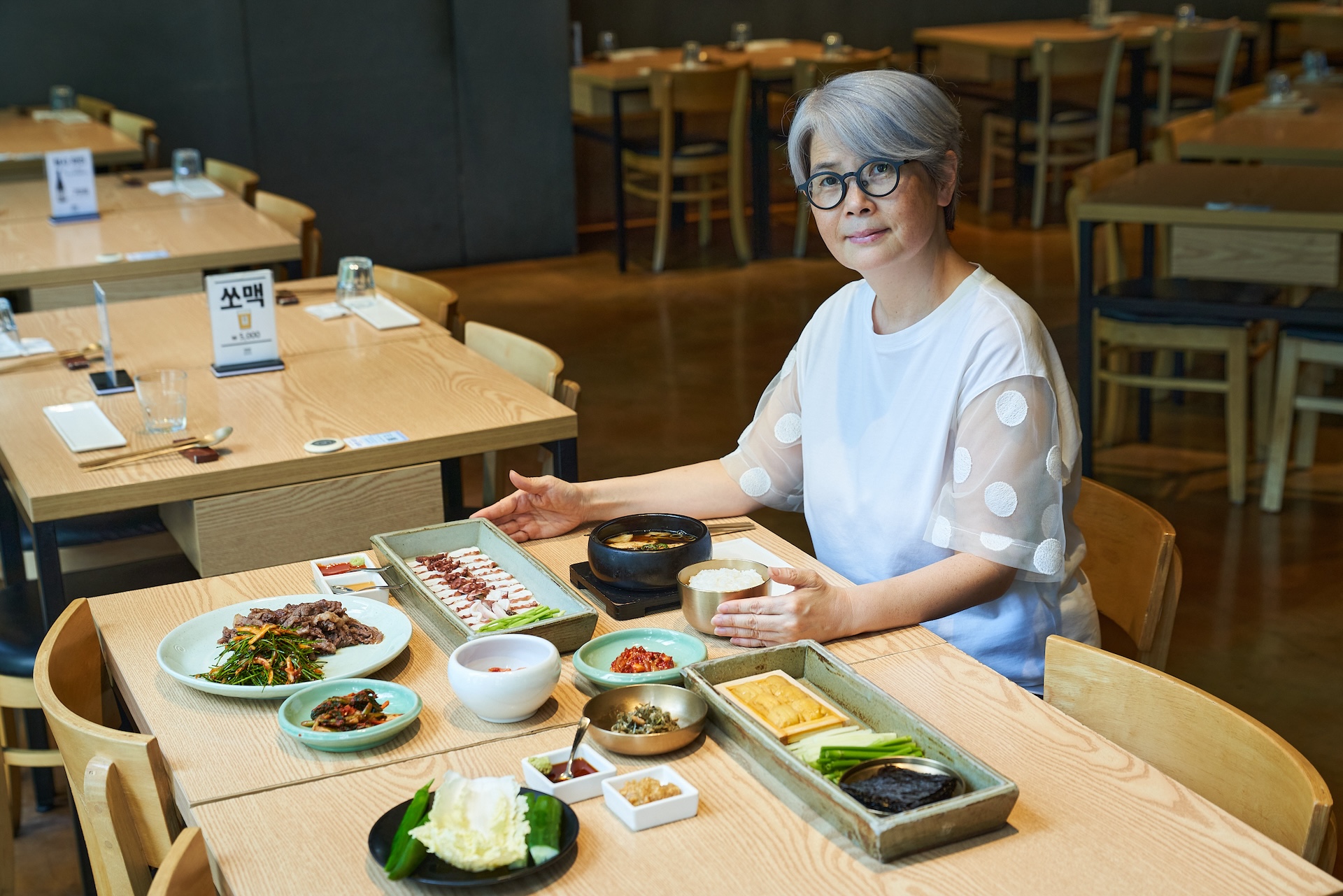
Mamalee Market & Pub: Where Banchan Takes Center Stage in Seoul Featured Image

Mamalee Market & Pub elevates banchan from side dish to main act, giving Seoul diners a rare chance to savor Korean side dishes crafted with precision.

Choiga Coffee: A Slow Brew in Fast-Moving Seoul Featured Image

Choiga Coffee, a family-run roastery, resists Seoul’s trend-driven café culture with slow-brewed, carefully crafted cups.

Halmaejip: Where Seoul’s Scolding-Grandma Tradition Lives On Featured Image

For nearly 50 years, Halmaejip near Gyeongbokgung Station has served jokbal (soy-braised pig’s trotters) and gamjatang (pork backbone stew) with the warmth, and once the scolding, of a Korean grandmother’s kitchen.

Preparing a large pot of ugeoji haejangguk at Somunnanjip, photo by Sanghwan Byun

In Seoul, permanence is elusive. The city reinvents itself with a restless energy that makes each visit feel like a first encounter. Viral trends come and go. Culinary hotspots emerge and vanish. Even longtime residents find themselves pausing at street corners, momentarily disoriented by how completely their familiar haunts have transformed in a short span of months. Seoul's thirst for the next big thing is evident in neighborhoods like Seongsu-dong, often seen as a global epicenter for pop-ups, where new fashion and design concepts emerge year-round. Seoul’s food scene mirrors this constant evolution. Trends flash by, like tanghulu – glazed fruit on a stick that seemed to pop up everywhere overnight – or espresso bars, which briefly captured the city’s coffee obsession before fading from view.

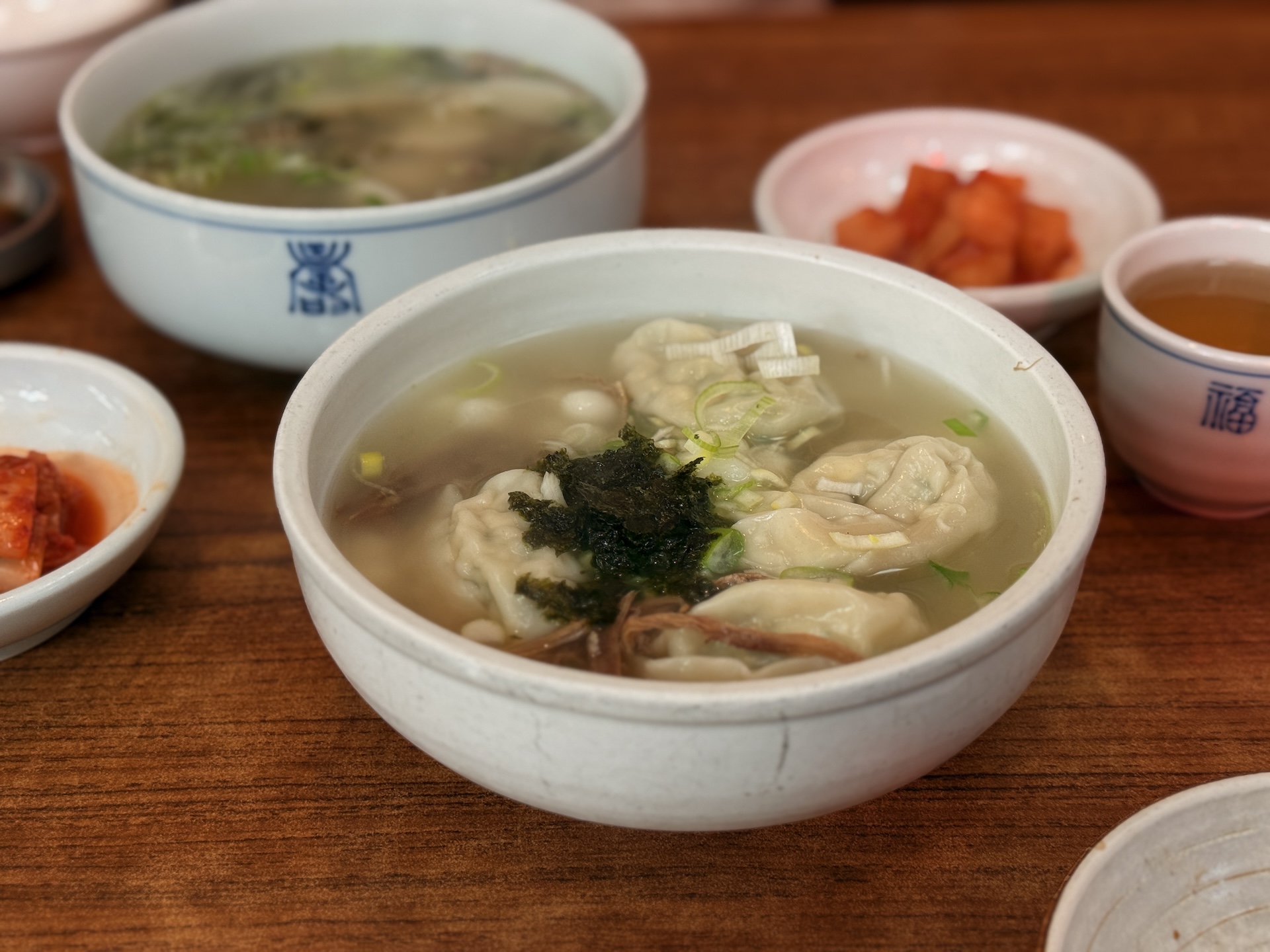
Pyeongando Mandujip

North and South Korea may be separated by a heavily fortified border, but there’s a culinary link that defies that separation. In fact, there are many types of North Korean foods that are popular in South Korea, and dumplings are one of them. Korean dumplings share a similar shape with Chinese jiaozi and baozi, as well as Japanese gyoza, and are all referred to as mandu in Korea. Due to the colder climate, rice cultivation is less viable in North Korea, leading to a greater reliance on flour- and buckwheat-based dishes. Mandu, made from wheat flour dough, is a staple food in the north, typically larger, more rustic, and filled with a generous mixture of tofu and mung bean sprouts. Compared to South Korean mandu, North Korean-style dumplings are known for being milder and more comforting.

logo

Terms of Service