<p>There is fried chicken and there is fried chicken, and then there is Li'l Dizzy’s Café’s fried chicken, which is about as good as it gets. The restaurant, founded by legendary New Orleans restaurateur Wayne Bacquet, and now run by his son, Wayne, Jr., and his wife, Arkesha, is a love letter to the Tremé neighborhood and its Creole cuisine. And while the Creole gumbo and bread pudding are renowned for good reason, it is the fried chicken that brings us back again and again and makes Li'l Dizzy's a favorite stop on our <a target="_blank" rel="noopener noreferrer nofollow" class="text-[#781e2a] underline" href="https://culinarybackstreets.com/food-tours/new-orleans/the-creole-connection-gumbo-and-beyond-in-new-orleans">Creole Connection food tour.</a></p>
Heroes of the Backstreets: The Americas


<p>What began as a side project for Brenda Miranda and her fellow freelancers became one of Mexico City's popular spots for oversized plates of chilaquiles. At Chilakillers in Tacubaya, fried tortillas come drenched in a choice of six salsas, from classic verde to fiery three-pepper and rich mole, then piled with toppings such as arrachera, cecina, or chicken. The recipes came from the mother of Miranda's former partner, and the portions can weigh up to a kilogram. The colorful, graffiti-covered restaurant draws crowds for its hearty breakfasts and playful atmosphere, giving guests on our <a target="_blank" rel="noopener noreferrer nofollow" class="text-[#781e2a] underline" href="https://culinarybackstreets.com/food-tours/mexico-city/the-great-flavor-migration-how-mexico-city-was-made?utm_term=excursions%20mexico&utm_campaign=2022+High+Potential+Cities&utm_source=adwords&utm_medium=ppc&hsa_acc=3483944753&hsa_cam=18020524920&hsa_grp=140596309392&hsa_ad=616088481757&hsa_src=g&hsa_tgt=kwd-308869103735&hsa_kw=excursions%20mexico&hsa_mt=p&hsa_net=adwords&hsa_ver=3&gad_source=1&gad_campaignid=18020524920&gbraid=0AAAAADtZt_gd9zVJYH5jwyAvgMw5I2HA0&gclid=CjwKCAjw9PvWBhAxEiwAddzYyfqE02FnwHLRy1tlCMfmYQzK3CFUnqs_QWHMXMXv2_-p365zyDr49xoCvgMQAvD_BwE">Great Flavor Migration</a> tour a taste of Mexico City's enduring love affair with chilaquiles.</p>

<p>Opened in 1930, Los Galgos is one of Buenos Aires' historic <em>bares notables</em>, where generations of porteños have gathered over coffee, vermouth, and hearty plates of food. When the café closed, restaurateur Julián Díaz and designer Florencia Capella brought it back to life in 2015, restoring its original woodwork and old-world charm while reviving the city's café and aperitivo traditions. Stop by for a <em>cortado</em>, a classic <em>milanesa</em>, or a vermouth at the bar, surrounded by a mix of longtime regulars and younger patrons. It's a slice of classic Buenos Aires café culture we love sharing with guests on <a target="_blank" rel="noopener noreferrer nofollow" class="text-[#781e2a] underline" href="https://culinarybackstreets.com/food-tours/buenos-aires/backstreet-bites-of-buenos-aires-cafes-parrillas-and-beyond">our "Backstreet Bites of Buenos Aires" food tour </a>through the city.</p>

<p>In Rio's historic downtown, chef Diego Melão brings the hearty, pork-loving traditions of Minas Gerais to Capiau Botequim. Part of a new wave of establishments breathing life into the city's old center, this lively botequim is a stop on our <a target="_blank" rel="noopener noreferrer nofollow" class="text-[#781e2a] underline" href="https://culinarybackstreets.com/food-tours/rio/discovering-the-culinary-soul-of-old-rio">Discovering the Culinary Soul of Old Rio food tour</a>. Here, Melão serves <em>comida mineira</em>, including <em>kaol</em>, a plate of pork sausage, rice, and egg cooked with sugarcane liquor. With tables spilling onto the street, Capiau celebrates Brazil's countryside cooking in the heart of Rio.</p>

<p>A longtime Elmhurst institution, Taste Good has been serving Malaysian specialties for more than 30 years. Run by Kuala Lumpur native David How, the bustling, no-frills restaurant is known for its char kway teow, flaky roti canai, fiery shrimp sambal, and rich coconut curry laksa. With its tightly packed tables, photo-covered walls, and extensive menu, Taste Good – through the spirited presence of Mr. How – offers a welcoming introduction to Malaysia's diverse culinary traditions.</p>

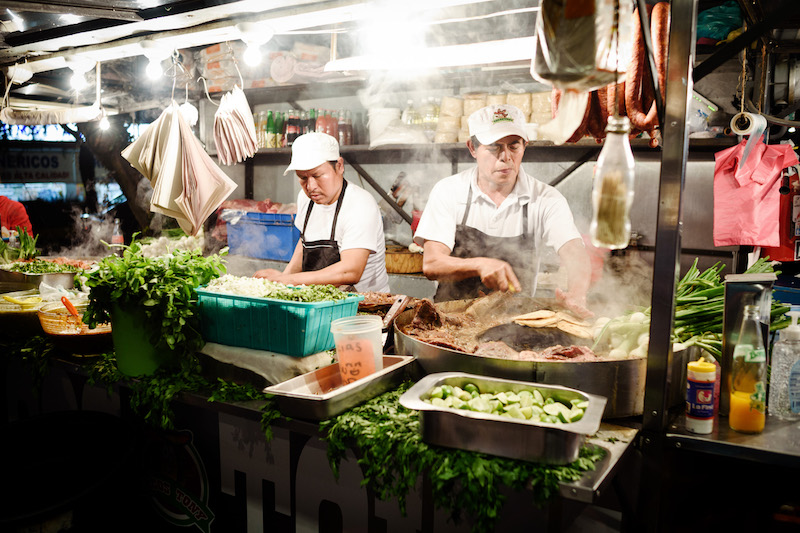
<p>A former schoolteacher turned torta maker, Miguel Covarrubias Jiménez founded El Profe Jiménez in Guadalajara's Santa Tere neighborhood in 1982. Today, his sons carry on the family business, serving their father's take on the city's beloved tortas ahogadas: crusty birote stuffed with pork and drenched in hot tomato salsa. The menu also includes their signature tacos destrozados and megasuegras, made with leftover ends of birote. More than four decades later, the sidewalk stand remains a neighborhood institution, where a good breakfast is almost guaranteed to be a messy one.</p>

<p>Mitsuru Cafe is a long-running, family-run spot in Los Angeles’ Little Tokyo and a stop on our <a target="_blank" rel="noopener noreferrer nofollow" class="text-[#781e2a] underline" href="https://culinarybackstreets.com/food-tours/los-angeles/los-angeles-exploring-americas-culinary-frontier">Exploring America’s Culinary Frontier food tour</a>. Founded by Mitsuru Yamaguchi and now run by her daughter Rumi, the cafe is best known for its handmade <em>imagawayaki</em>, sweet azuki bean-filled cakes cooked at the front window. It also serves Japanese festival favorites like <em>mitarashi dango</em>, <em>takoyaki</em>, and <em>karaage</em>, along with homestyle lunch plates and comfort dishes. Set in the heart of Japanese Village Plaza, it remains one of the neighborhood’s enduring institutions.</p>

<p>Before opening Restaurante Mo-Kalli in Tlacolula, Catalina Lucas spent years cooking for celebrations and community gatherings in her hometown. Today, she's known for making as many as 14 varieties of mole, including a rich mole negro traditionally served at funerals, mole de fandango, and <em>segueza</em>, a dish with roots in pre-Hispanic cooking. Her recipes draw on the ingredients and techniques she learned from her grandmother. After participating in Oaxaca's first gathering of traditional cooks, Catalina opened her own restaurant, turning the food she once prepared for local festivities into a destination for visitors to the region. She's also one of the key figures on our <a target="_blank" rel="noopener noreferrer nofollow" class="text-[#781e2a] underline" href="https://culinarybackstreets.com/trips/oaxaca/a-journey-into-the-heart-soul-of-mexican-cooking">culinary trip</a> to Oaxaca.</p>

<p>In San Pedro Atocpan, a Mexico City community famous for its mole makers, Mayra Pérez Fernández comes from a family steeped in the trade. Her husband does, too. Together, they carry on the business through Moles Supremos San Pedro, producing mole for markets across the city, including a large stand at Mercado de Xochimilco. Her bestselling <em>mole almendrado</em> shares the spotlight with a special family recipe made with ingredients like chiles from Zacatecas and green apple. It's a family tradition Mayra shares with guests on our <a target="_blank" rel="noopener noreferrer nofollow" class="text-[#781e2a] underline" href="https://culinarybackstreets.com/trips/mexico-city/layer-by-layer-a-mexico-city-culinary-adventure">Layer by Layer</a> culinary trip through Mexico City.</p>

<p>Originally from San Mateo Yucutindoo in Oaxaca’s Sierra Sur, Thalía Barrios García brings the cooking traditions of her hometown and the women in her family to Oaxaca City. At Levadura de Olla, her vegetable-forward cooking celebrates native ingredients, from purple tomatoes and wild greens to edible flowers, alongside traditional preparations and ancestral beverages. At her other restaurant, Cocina de Humo, she brings those same traditions to the hearth, cooking with fire and smoke as guests watch. It's here that we introduce travelers to Barrios García on our <a target="_blank" rel="noopener noreferrer nofollow" class="text-[#781e2a] underline" href="https://culinarybackstreets.com/trips/oaxaca/a-journey-into-the-heart-soul-of-mexican-cooking">Oaxaca trip</a>, where her cooking offers a window into the knowledge, recipes, and techniques passed down through generations of rural women.</p>