<p>Pin Pun is one of Buenos Aires’s old-school pizza parlors, the kind of place where customers eat standing at the counter with a slice in one hand and a glass of house wine in the other, but it is also an essential stop for empanadas. Approaching its centenary, the shop remains beloved for its bold, deep-fried empanadas, each with a whole green olive tucked inside, as well as baked versions filled with meat, chicken, ham and cheese, or spinach and cream sauce. The smell of melting cheese, frying fat, dough and meat gives the place an immediate sensory pull, and its 24-hour schedule only adds to its appeal. Pin Pun feels distinctly Porteño: casual, satisfying, slightly greasy in the best way and always ready with something hot to eat.</p>
Our Favorite Empanadas in Buenos Aires
An essential guide to the city’s best empanadas


<p>La Cocina is a tiny, no-frills Recoleta institution with roots in Catamarca and subtle influences from Bolivian cooking, best known for turning out thick-crusted, golden empanadas from a closely guarded family recipe. Its most famous offering is the Pikachu, a slightly spicy empanada filled with cheese, caramelized onion and spices that has developed a loyal following over more than two decades. The small space has only a few seats, but the oven is constantly at work, producing a range of fillings from beef and chicken to vegetarian options. With flan con dulce de leche for dessert and hearty regional dishes in winter, La Cocina has earned its reputation through consistency, character and a strong sense of family tradition.</p>

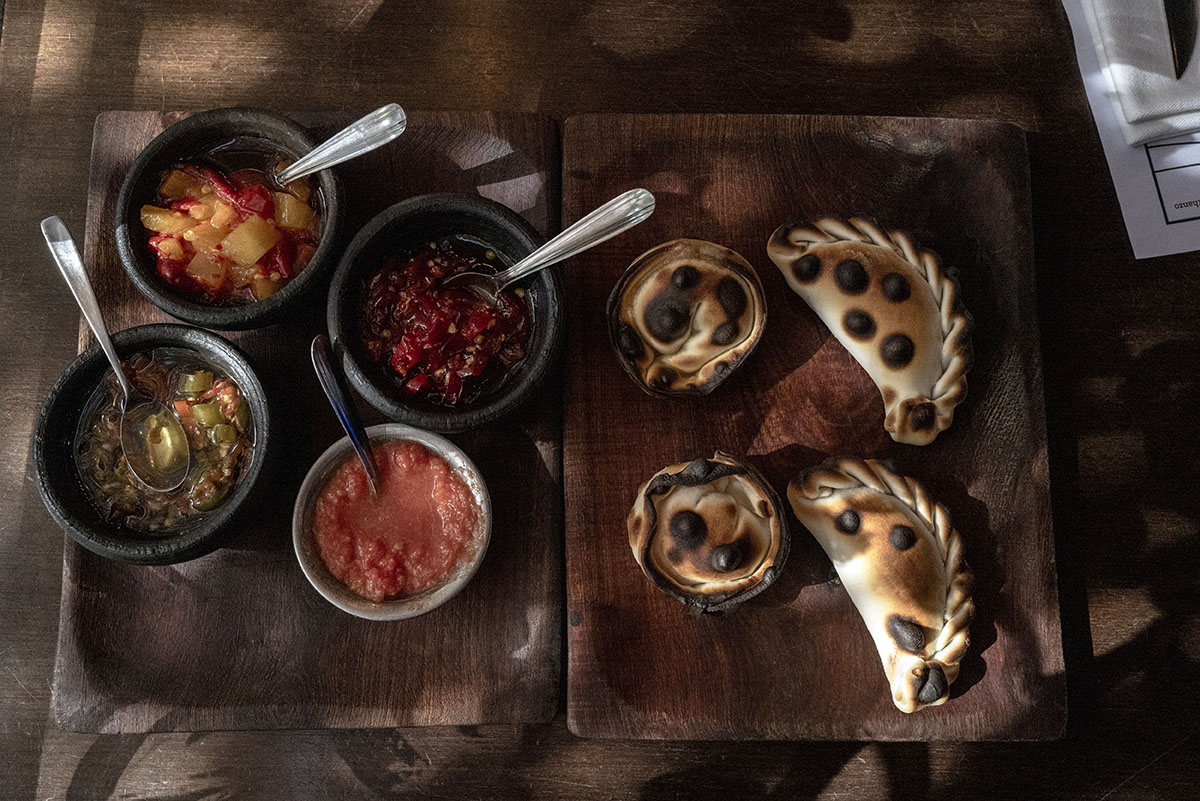
<p><span style="color: rgb(0, 0, 0)">Revived a few years ago, this 1920s pizzería-bar now turns out some of the city’s best wood-fired empanadas. The homemade dough picks up smoke from a quebracho-fueled oven, while the fillings stay classic porteño with a little edge: spicy beef, wood-roasted chicken and caramelized onion, and portobellos and mozzarella. Order two for a snack, three or more as a meal, and chase them with a glass of house vermouth while taking in the old Buenos Aires room, complete with an oak bar, vintage soda siphons lined up like trophies, and the glowing clay oven.</span></p>

<p><span style="color: rgb(0, 0, 0)">These are some of the best empanadas in the city, filled with chopped beef, potato, egg, and green olive and fried to order so they're hot, crisp, yet not greasy. One bite and you instantly crave seconds. They come with a proper spicy sauce and they don't skimp on the filling. The small shop on Avenida Independencia has walls covered in folk saint figures, framed photos of Evita, and vintage collectibles that make it feel more like an antique shop than an empanada counter.</span></p>

<p><span style="color: rgb(0, 0, 0)">In a city where empanada almost always implies beef, <strong>Vecindá</strong> flips the ratio: vegetables lead, meat makes a cameo. A clay oven sits center-stage, and every pastry gets a rapid blast of wood-heat before it hits the counter. The menu skews plant-forward with fillings like Pascualinda with spinach, coconut béchamel, toasted almonds or Shariff stuffed with texturized soy, red pepper, baharat, dried apricot, mint chimichurri. For traditionalists, there's one beef option, listed as Clandestina. Between batches you'll hear the dings of a pinball machine or catch a DJ spinning vinyl. It's casual, cool, a little chaotic — exactly what a vegetable-forward empanada spot should feel like.</span></p>

<p><span style="color: rgb(0, 0, 0)">TayTay deals strictly in Bolivian salteñas: football-shaped, palm-sized empanadas whose glossy, faintly sweet dough hides a ladle of hot stew. The lineup stays tight with favorites like chicken, pucakapa (cheese, onion, ají), and classic beef. The chicken salteña is reminiscent of a chicken pot pie with peas, potato, paprika, and cumin packed into that glossy shell, while the beef comes suave or picante. The drill is always the same: bite a vent, let the steam out, tilt, sip the insides, bite some more, devour. A side of house llajua (tomato-ají salsa) is mandatory.</span></p>
<p>El Imperfecto occupies a recycled old house in Palermo, where everything revolves around fire: clay oven, grill, embers, and no gas. Opened by chef Tía Memi and Tatu Rizzi, the spot channels northern Argentine cooking with salteña-style empanadas, humita, tamales, locro, and wood-fired plates. It feels rustic, warm, and refreshingly unpolished, with enough smoke and spice to stand apart from the usual Palermo empanada routine.</p>