S M B O measurement-vertical measurement-vertical

Latest Stories

Istanbul’s Burger Battle Goes International

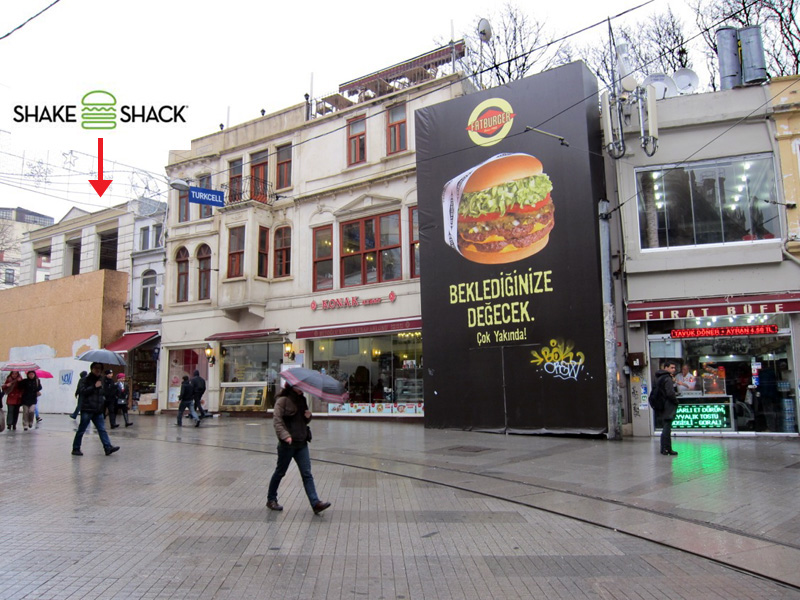
Update: Shake shack and Fatburger are sadly no longer open. As chronicled by Istanbul Eats, the Tünel end of Istanbul’s famed İstiklal boulevard was some two years ago the site of a heated burger war. It all started when a former Turkish basketball-player-turned-restaurateur who had spent time studying in California opened up Mano Burger, a mostly successful recreation of the kind of burger joints the owner frequented in the United States.

Athens’ New-School Wine Bars

The economic crisis that has plagued Greece for the past five years has led to changes on the Athenian culinary scene, including the opening of three new types of venues that seem to be reflective of the times. The first two – cupcake places and frozen yogurt shops – are imports from abroad, perhaps indicative of a population in need of something sweet, comforting and affordable. On the other hand, the third trend, wine bars, digs deep into Greece’s roots, representing a fascinating phenomenon in a country that is one of the world’s oldest wine-producing regions. In antiquity Greek wine was exported across the Mediterranean, and the winemaking tradition has remained strong through the millennia. Yet although there are numerous wineries around the country, in the modern era Greek wine has never achieved the place it deserves on the international market. Production levels are low and vintners have long been unsure of how to market abroad.

Barcelona’s Restaurants Go Underground

At Culinary Backstreets, we are all about seeking out backstreets eating at venues serving authentic cuisine and frequented mainly by locals – an approach that usually leads both to delicious food and to prices that won’t break the bank. But how about underground dining, where even locals themselves aren’t always in on the secret?

Mustafa Amca

The Turkish proverb “At, avrat, silah ödünç verilmez” (“neither horse, wife nor weapon should be lent”) is sometimes repeated as a way to recall the nomadic warrior past of the Turks. The primal Turkish essentials are clearly stated, but what about the çay bardağı, the tea glass that has become such a ubiquitous Turkish icon? Reading the 17th-century works of Evliya Çelebi, the Ottoman Rick Steves, you’d expect to find descriptions of medieval tea jockeys swinging trays filled with those tulip-shaped glasses through the alleyways of the Old City. Right?

Lunar New Year Preparations in Shanghai

As the moon starts to wane each January, people throughout China frantically snatch up train and bus tickets, eager to start the return journey to their hometown to celebrate the Lunar New Year (春节, chūnjié) with their family. One of the major draws for migrant workers heading home is the chance to eat traditional, home-cooked meals.

Ask CB: Eating Organic in Mexico City?

Dear Culinary Backstreets, We’ll be visiting Mexico City and are wondering about the organic food scene. Will it be easy for us to find organic produce? How can we know whether or not something we’re buying is really organic?

Red Elephant

The first wave of Indian, Pakistani and Bangladeshi immigrants arrived in Athens in the early 2000s, bringing a new eating culture with them. This was a time of prosperity in Greece and consequently the first South Asian restaurants, such as the now-defunct Pak Indian, were welcomed with open arms by Greeks who were willing to experiment. It helped that an enormous number of young Greeks had studied abroad in the 1990s and early 2000s, mainly in the United Kingdom, where they were introduced to the cuisine of the Subcontinent.

Na Mindona

When Xisca Ferragut left Mallorca (the largest of the Balearic Islands, located in the Mediterranean Sea off the eastern coast of Spain) and moved to Barcelona, she had no intention of opening a restaurant. Having lost her job back in Mallorca, she had decided to study sign language and become an interpreter. Then her boyfriend, Dionis Ballester, showed up and as the two struggled to find work, they noticed something: there were literally NO Mallorcan restaurants in Barcelona.

Beşaltı Kirvem Tantuni

One of the big downsides to Istanbul’s otherwise great food scene is the lack of a credible Mexican option. We’re not asking for anything special, just a place that serves simple, tasty tacos or burritos. But when the craving for Mexican gets strong, we don’t despair; we just head down to the waterside neighborhood of Karaköy, home to Beşaltı Kirvem Tantuni, a hole-in-the-wall (literally) spot whose food and atmosphere remind us of the tiny taquerías in Mexico and the United States that we miss so much.

Calçots: Not Your Average Onion

As the legend goes, a 19th-century Catalan farmer was out experimenting in his fields when he came up with a new kind of longer, juicier green onion, the calçot. In creating the onion, the farmer produced much more than a new vegetable; he also paved the way for the rise of an idiosyncratic, and distinctly Catalan, cultural event.

La Central de Abasto: Wholesale City

The first time I tried to photograph La Central de Abasto in Mexico City, it was without permission, which was utterly impossible. As I walked through the market’s immense corridors, every time I tried to get a shot I would begin to hear cackles and whistles from the vendors. Their chatter had a signature sound like a backwards catcall and it traveled through the high market rafters from one stand to another, like birds squawking in the treetops through a vast forest. This alarm would consequently bring a plain-clothes security guard, who blocked my passage and asked me to show my permission papers to take pictures. When I could produce nothing, I was escorted sternly and quickly outside the market doors. I tried my luck at shooting in another section of the market but, yet again, a rising whistle would start and another security guy would appear and cut me off. I gave up.

Jian Guo 328

In Shanghai, there’s a time and a place for taking part in the city’s rough-and-tumble street food scene, but sometimes you want to eat out knowing that your bowl of noodles will not accidentally become someone’s ashtray or that you don’t have to elbow an elderly lady out of the way for a seat. Somewhere between the dive noodle stalls and the elegant confines of the city’s upscale banquet-style restaurants lies the holy grail of eating authentically: affordable local cuisine in a non-smoking, no grime, no-nonsense environment – with painted walls to boot! Meet the popular Shanghainese restaurant Jian Guo 328.

In Praise of the Fonda, Mexico’s Mom & Pop Restaurant

For as long as I can remember, I have loved mornings, a preference that likely – perhaps counterintuitively – originates from my experience working bright and early at my parents’ fonda. Almost every day, we would arrive around 7 a.m. to prepare the day’s menu, slicing vegetables for salsas, putting together moles, boiling chicken and arranging everything necessary for the daily rush of customers. The warmth and aromas rising from the large clay pots filled the air and never failed to make my mouth water. It was a scene that had been repeating itself since my grandfather bought our fonda back in the early 1960s.

To Petalo

To Petalo is probably the only place in Athens that offers a Sunday lunchtime buffet with homemade Greek food. It’s certainly the only all-you-can-eat brunch we know of that’s offered at the affordable price of €12, in a cozy yet slightly chaotic atmosphere that makes you feel like you’re eating in someone’s living room. And just as if you were at the house of a Greek friend, brunch at To Petalo is served in typically late fashion: Arrive before 2 p.m. and you’ll be waiting around for the food to be served.

Ask CB: Tortilla Española in Barcelona?

Dear Culinary Backstreets, In just about every restaurant or bar I’ve been to in Barcelona, I’ve seen a dish called “tortilla.” What exactly is a tortilla and can you recommend any places where they are done especially well? Although it would seem that much of the world imagines the inhabitants of Spain subsisting largely on paella, the truth of the matter is that it is the tortilla española, also known as tortilla de patatas (truita de patata in Catalan), that  really holds the place of honor in the hearts and stomachs of Spaniards. Often translated into English on menus as “potato omelet,” this hearty round cake of potatoes, eggs, olive oil and salt has nothing to do with the traditional French omelet, nor does it have anything in common with a Mexican tortilla. At its most basic, the Spanish tortilla is made by frying up a thick mass of sliced potatoes and eggs in olive oil and then slicing it into savory wedges.
logo

Terms of Service