S M B O measurement-vertical measurement-vertical

Latest Stories, Queens

Dead Heads in Corona, Queens

On our culinary walk in Queens, we spotted some skulls made of sugar and marzipan that will be used as offerings for Day of the Dead (Día de Muertos), which officially starts on October 31.

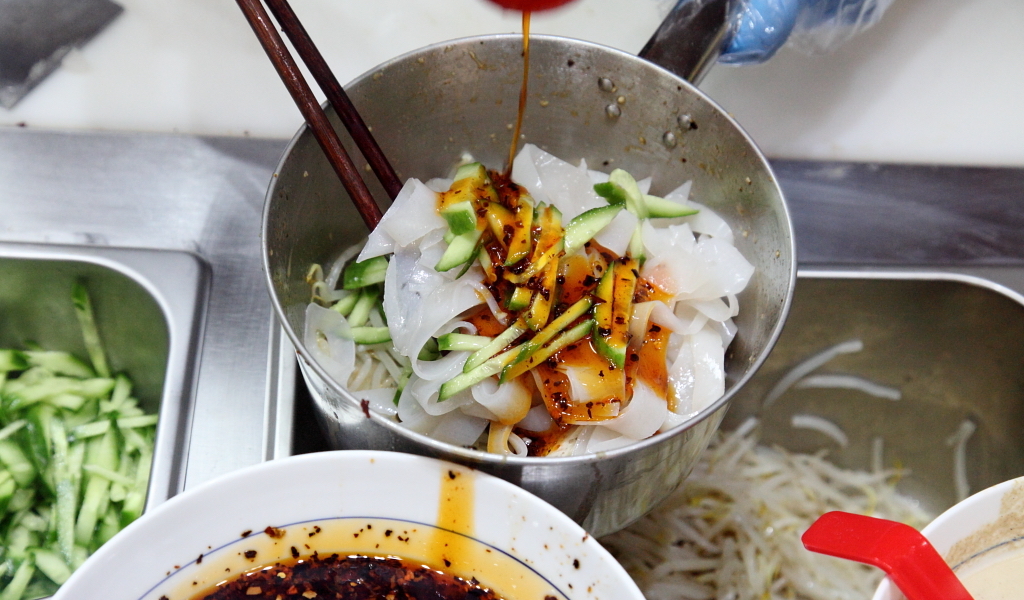
Liang Pi Wang: Out of the Kitchen, Onto the Counter Featured Image

The promise of food prepared before our eyes, just for us, is a big reason that we’re constantly spreading the good word about food events in and around New York. We’re especially fond of festivals and other gatherings held by members of a close-knit group – sometimes congregants of a church, temple or mosque, almost always folks who share the common bond of a previous homeland far away. Often their dishes are assembled by (gloved) hand immediately before serving for maximal stimulating freshness. A few such events repeat periodically, but most, we know all too well, come just once a year. We’re always on the lookout, then, for businesses that take a similar up-close-and-personal approach.

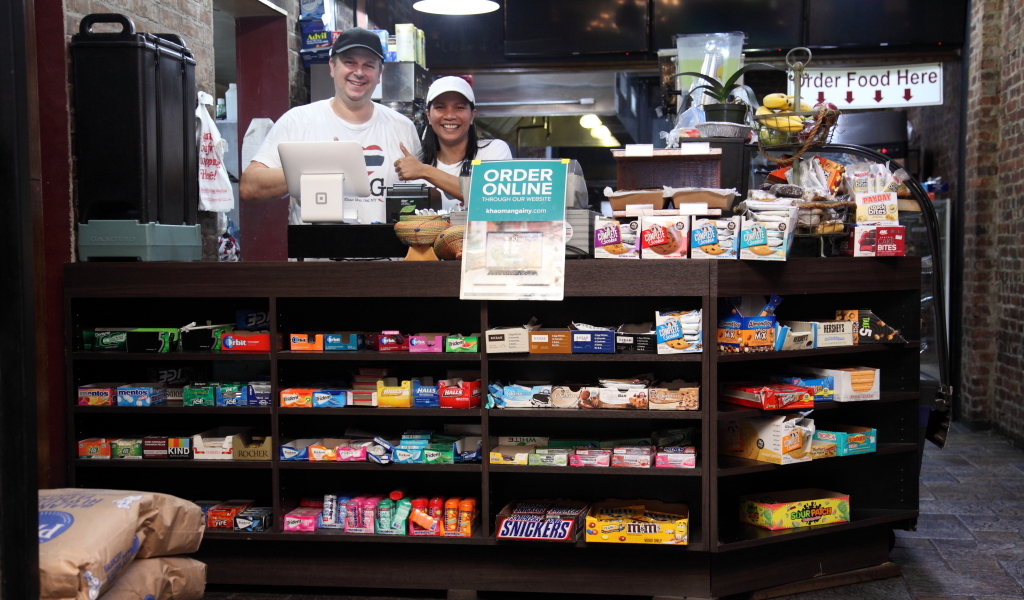
Khao Man Gai NY: One Dish Wonder (Plus) Featured Image

Some of the most successful street vendors in Southeast Asia have made their name from a single dish. The same is true in Queens – just ask anyone who has walked along Roosevelt Avenue late on a summer evening in search of the “Arepa Lady.” Surprisingly, it’s also true inside Bricktown Bagels, in Long Island City. By day the shop churns out bagels for morning commuters – from the subway station just up the street, it’s one stop to Manhattan – plus soups, salads, sandwiches and wraps. But when the ovens cool down in late afternoon, Bricktown becomes the base of operations for Khao Man Gai NY, where the chef Emorn Henshaw and her husband Eric serve the namesake Thai chicken-and-rice combo (pronounced Cow mon Guy).

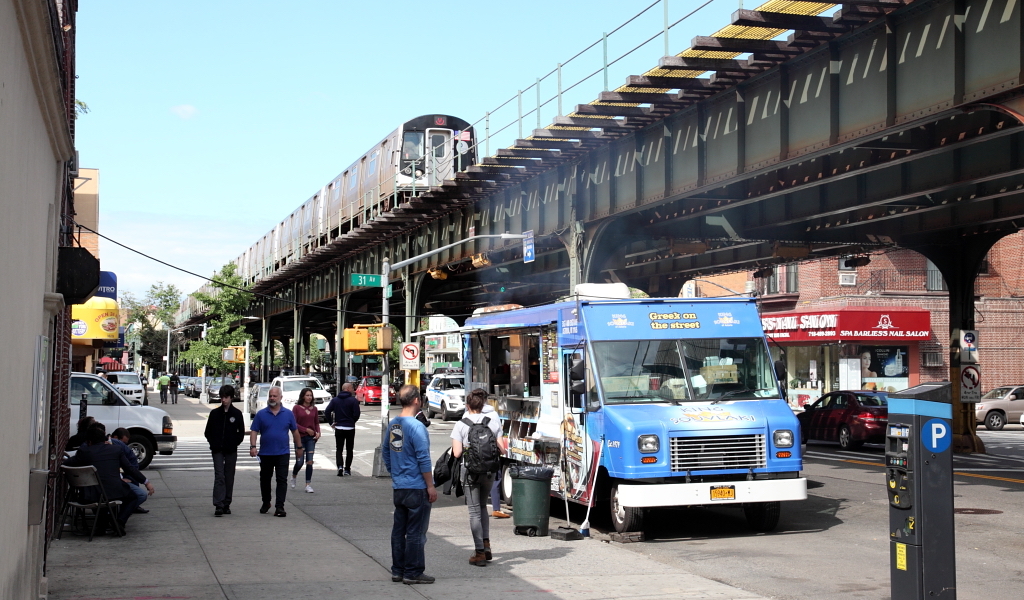
Skewered: A Survey of Astoria’s Souvlaki Street Vendors Featured Image

Grilling meat is a Greek tradition that hearkens back at least to the days of Homer. In his Iliad, the poet wrote of a sacrifice of cattle to the god Apollo, after which the men “cut all the remainder into pieces and spitted them and roasted all carefully.” They feasted, they drank wine, they sang praise to Apollo and they slept, until “the young Dawn showed again with her rosy fingers.” In modern-day Greece, spit-roasted meat, today called souvlaki, is an everyday meal. The same is true in Astoria, Queens, home to a stalwart Greek-American community for more than half a century, where you can feast on skewers for the sacrifice of only a few dollars each.

Point Brazil

“Have you been to Bahía, Donald?” José Carioca, a dapper, green-and-gold, happy-go-lucky parrot, poses this question to Donald Duck in the (mostly) animated 1944 film The Three Caballeros. For its beauty and charm — and, oh, the food! — José insists that Bahía (buy-EE-ah), a coastal state in northeastern Brazil, has no rival. It’s a full-throated endorsement, particularly from José: His surname, Carioca, identifies him as a native of Rio de Janeiro. Even for a parrot-about-town who has experienced the beauty of Rio’s beaches and the excitement of its nightlife, Bahía is a magical place. That spirit has been transported to Astoria, Queens, not by magic, but by the devotion of Bahían sisters Elzi and Erli Botelho Ribeiro.
Queens International Night Market

Something special happens when the sun goes down. Night markets, whether in Southeast Asia or in the heart of Queens, inspire a thrill — we call it a sense of wonder — that brings boundless childhood summers to mind. We still feel it, on warm-weather Saturdays, when we ride the elevated 7 train to the Queens International Night Market. (It's a pain to park anything bigger than a bicycle near the market; we always take public transportation.) Many of the other passengers seem to be headed our way. Surrounded by fellow pilgrims, our anticipation builds as we descend from the train platform and march south. As we near the market grounds, and as the wind freshens and comes about, perhaps we catch the scent of sizzling meat.

Queens: A Street Food Paradise

On our culinary walk in the borough, you'll quickly realize that Queens is not just a paradise for different ethnic cuisine but also for street food! Approach with an empty stomach.

Marani

Georgians – that is, Georgians who hail from the former Soviet republic and not the American South – love their cheesy khachapuri and their beef-and-lamb-filled khinkali. At a glatt kosher restaurant, however, dairy items and meat items can't mingle, either in the kitchen or in the dining room, and many such establishments serve only one or the other. Marani takes a second approach: two kitchens, two dining rooms, two sets of dishes. It's possible to enjoy a progressive dinner under a single roof, first with khachapuri in a basement bakery that resembles a spartan pizzeria, then with a succession of appetizers, skewers and entrees in the more formal setting upstairs.

Arsi's Pateseria

Tucked away from the constant hustle and bustle of Queens Boulevard, Anna and George Artunian’s Sunnyside bakery, Arsi’s Pateseria, is a pleasant surprise. As we walk down 47th Avenue towards the gauzy Midtown Manhattan skyline, the smell of freshly baked burekas greets us long before we get to the bakery’s wide window. Inside, in metal trays behind the counter, four different types of burekas, savory sesame ring cookies and even baklava gleam in different shades of gold. Also behind the counter is 60-year-old Anna Artunian, one-half of the husband-and-wife team running the establishment and chatting with the customers, most of whom are regulars.

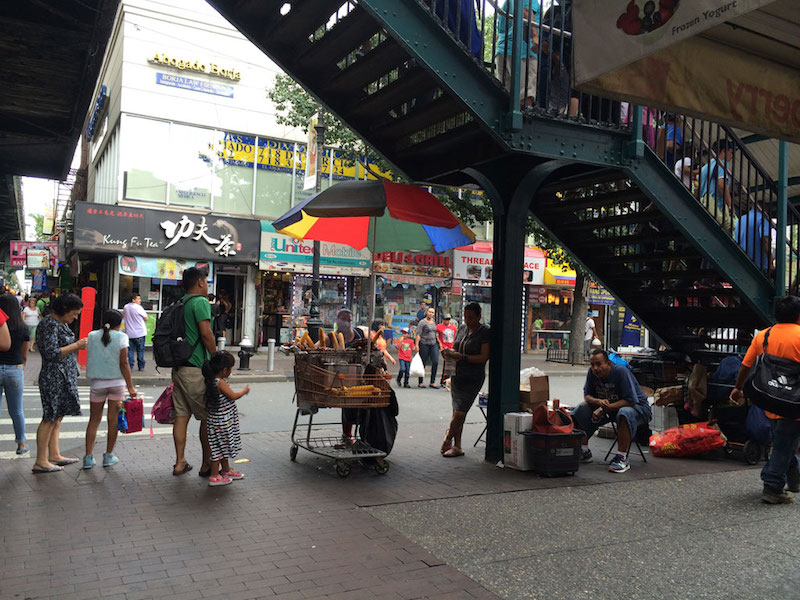
Mapping Queens' Roosevelt Avenue, Bite by Bite Featured Image

Queens may be home to diverse communities representing almost every country in the world, but if there’s thing that unites many of these immigrants it’s Roosevelt Avenue, a 5.8-mile corridor that runs east/west underneath the elevated tracks of the 7 subway line. Running through neighborhoods with some of the highest concentrations of immigrants in the borough, Roosevelt Avenue might be one of the most culturally – and culinarily – diverse commercial thoroughfares in the United States. In 2015, Noah Allison, a PhD candidate in Urban Policy at The New School, had the brilliant idea of walking the length of Roosevelt Avenue in order to map all of its restaurants. We recently caught up with him to talk about the project and his findings.

Fanesca

The afternoon was gray, drizzly and, even for a Good Friday, doleful. So the brightly colored sign in the restaurant window – had someone scooped up all the highlighters at the stationery store? – shone out all the more. "FANESCA," it announced in bold block letters. We hadn't given thought to fanesca since we read an account by writer Calvin Trillin, some years earlier, of his quest for this Easter-season soup. After all, we had no plans to follow Trillin to the cobbled streets of Cuenca, or to anywhere else in Ecuador, anytime soon. But we remembered the name fanesca, and we stepped inside the restaurant for a restorative bowl. The sign in the window was true to its word: “Deliciosa!”

Queens' Tamale Ladies

Tamales sold streetside by the basket are among our favorite treats in Queens. The countless kinds of ethnic cuisine found in the borough and the people that lovingly cook it are what make it great.

Queens

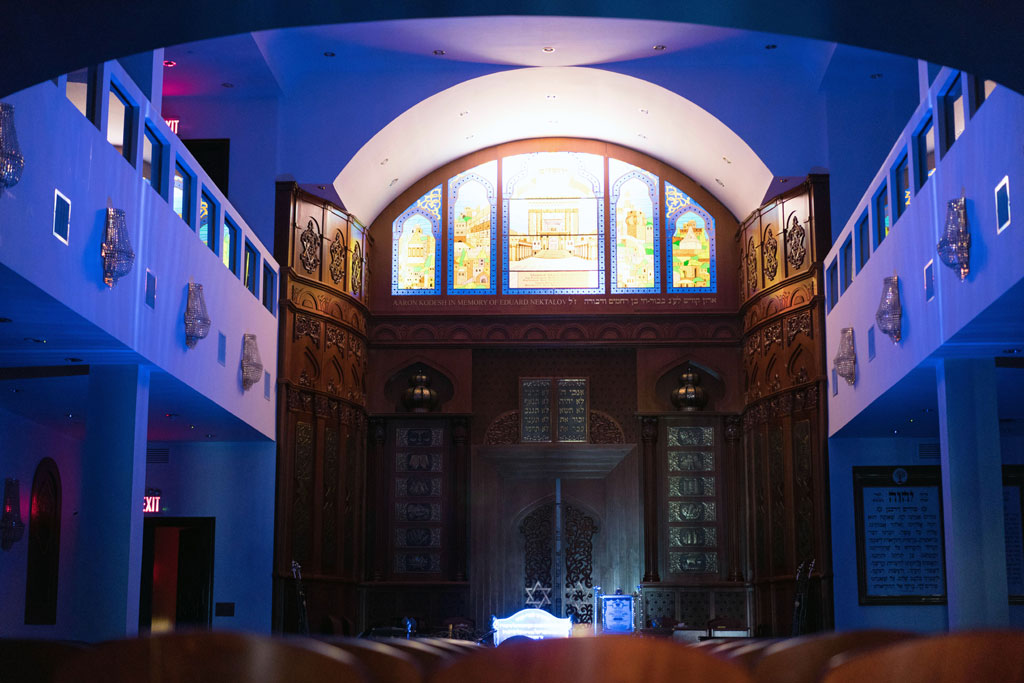
For those interested in visiting Tashkent or Samarkand, an easier trip might involve heading to the Rego Park and Forest Hills neighborhoods of Queens, home to much of the borough’s Central Asian Jewish diaspora. The neighborhoods comprise two main thoroughfares: 63rd Avenue, which changes to 63rd Street, and 108th Street. Both roads have a range of markets, restaurants and bakeries that serve local tastes and evoke places left behind. On one recent afternoon, I walked west on 63rd Avenue, away from Queens Boulevard, passing Public School 139 Rego Park, where parents and grandparents spoke Tajik, Mandarin, Arabic, Uzbek and Russian, crowding the street as they await their children’s dismissal from school.

Queens

In 1654, Dutch refugees, including 23 Jews, traveling on a French ship from Brazil, arrived in North America. The refugees set foot in Peter Stuyvesant’s New Amsterdam village, now called New York. Stuyvesant did not want to accept Jews, so he imposed trade, property and tax restrictions to stifle their advancement. Most of the Jewish community consequently returned to Amsterdam or left for the Caribbean, where they could live under more hospitable conditions with relatives. When Stuyvesant ultimately ceded control of New Amsterdam to the English, the small Jewish community that had remained swore allegiance to its new rulers and began to grow.

Queens Drive-Thru

Our monthly series on migrant kitchens in Queens, NY, told through interviews, photos, maps and short films, takes us next to stories about the migration African-Americans to the borough. In the accompanying video, we look at the fascinating history of The Green Book, which between the 1930's and 60's provided African American travelers with a guide to hotels, restaurants, taverns, road houses, gas stations and homes where they could be sure to have a place to eat and rest without the threat of violence.

logo

Terms of Service