S M B O measurement-vertical measurement-vertical

Latest Stories

Resolís

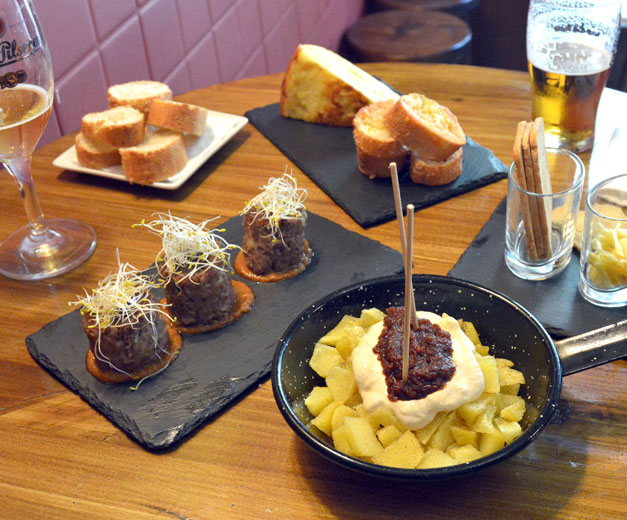
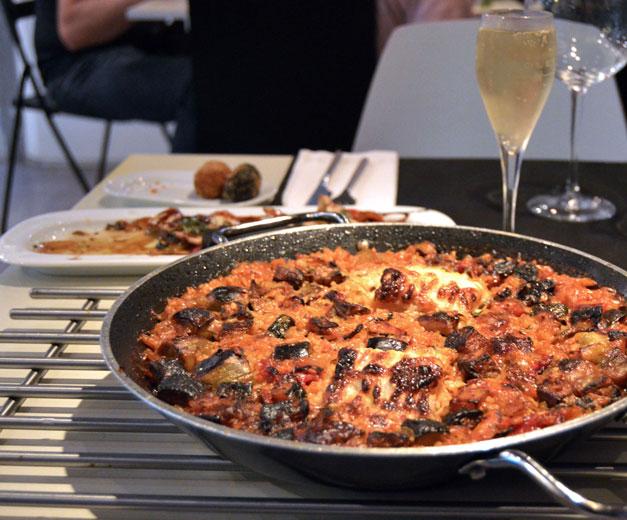
In Barcelona, these are fortunate times we’re living in, gastronomically speaking. We’re blessed with a growing multitude of tapas bars whose humble appearances belie the excellent culinary chops behind them. Bar Resolís is one of these. The eatery is known mainly because of its location in the heart of Raval, the most multicultural neighborhood in Barcelona. It sits on a street lined with vintage clothing shops and is outfitted with a cute mini-terrace, a small open bar and windows that frame a wall full of colorful graffiti in the passageway adjacent. It’s the ideal laid-back setting for us to enjoy a vermut with our elbow on the sill while checking out the intriguing handbags in the shop window in front.

To Mavro Provato

There is something magical about the area where To Mavro Provato is located, near the rather mysterious Proskopon Square in Pagrati. The square itself, hidden behind Vasileos Konstantinou Avenue, is usually dark even in the daytime thanks to the tall shady trees that fill it.

Los Limosneros

Juan Pablo Ballesteros comes from a family of entrepreneurs. In 1912, his great-grandfather, Rafael Ballesteros, opened Café Tacuba, which is today a food landmark in Mexico City’s Centro Histórico. Not far from this culinary treasure is Los Limosneros, which Juan Pablo opened more than a year ago, seeking to continue his family’s legacy while building a reputation of his own.

CB on the Road

The hardest part about dining in Hong Kong is choosing among the overwhelming number of options. It’s one of the most densely populated cities on the planet, with more than 7 million mouths to feed – and many with demanding palates. You can stand on just about any block in the city and find several affordable eateries above, below and across from you (kind of like Starbucks in Seattle).

Kaymak: The Heavenly Cream Featured Image

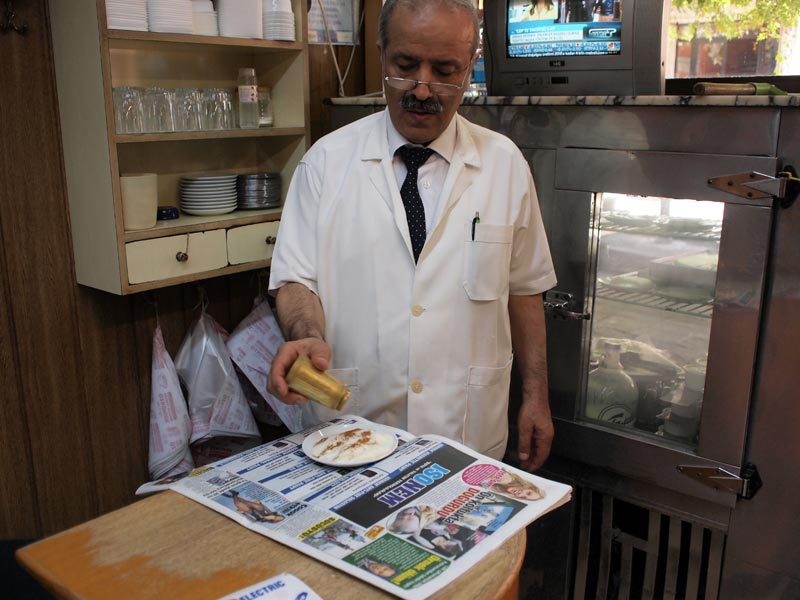
Editor's note: We are profoundly sad to report that Beşiktaş Kaymakçı has closed.  In our imagination, kaymak – the delicious Turkish version of clotted cream - is the only food served in heaven, where angels in white robes dish out plate after plate of the cloudlike stuff to the dearly departed, who no longer have to worry about cholesterol counts and visits to the cardiologist.

CB on the Road

The cuisine of Antep deserves every bit of the praise it receives. In the southeastern city known as the gastronomic temple of Turkey, the world’s most refined kebab traditions are obsessively guarded by a cadre of traditional ustas in the local grilling institutions. Baklava workshops are steeped in an odd mixture of science and voodoo that would titillate Willy Wonka himself. But coming down from a grilled meat and sweets binge, the body wants dolma, pilav, börek and çorba – the home-style food that is strangely absent in Antep’s restaurants.

El Passadís del Pep

Editor’s note: In the latest installment of our recurring feature, First Stop, we asked Michael Costa, head chef at the award-winning restaurant Zaytinya, in Washington, D.C., where he heads first for food when he arrives in Barcelona. El Passadís del Pep is home to the best, most authentic Catalan seafood in the city. There is no menu but they curate the experience in such a warm, kind way that you may find that you prefer not to have to deal with a menu. The cooking is classic, minimal and serves only to enhance the natural beauty of the ingredients. No Egotarian Cuisine here, just excellent product treated with respect.

Ask CB

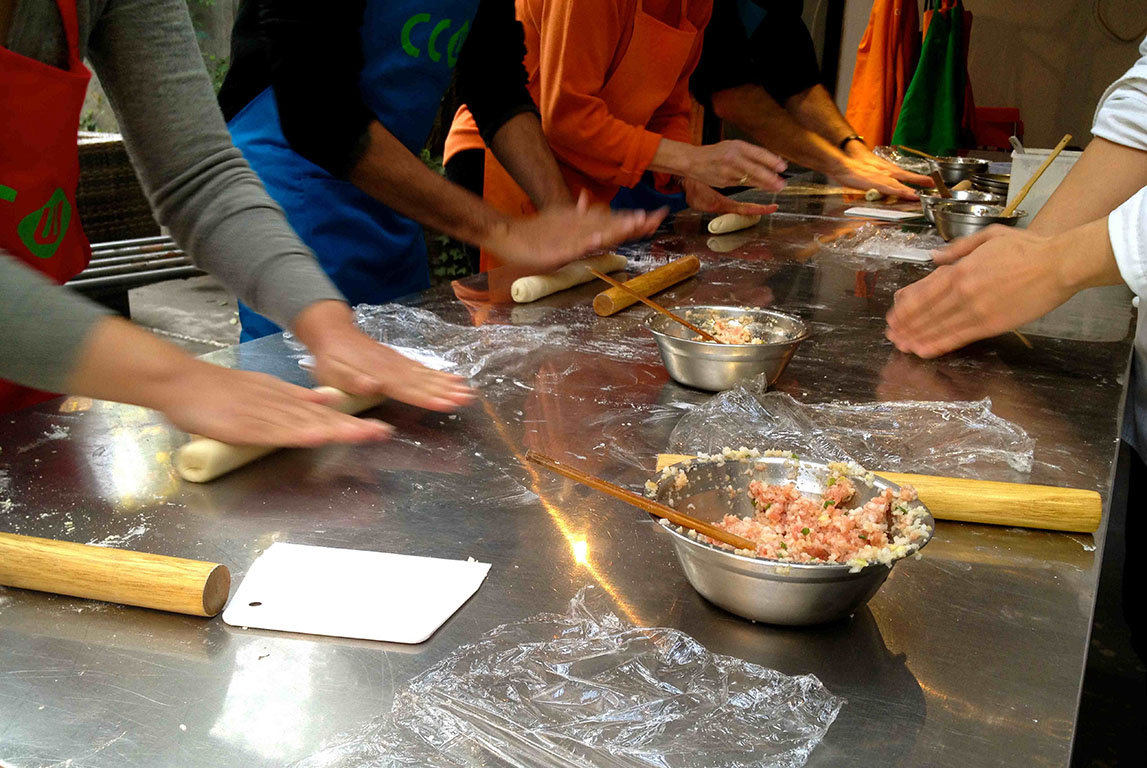
Dear Culinary Backstreets,My wife and I love to cook at home and for our friends, and we would love to learn more about Spanish cuisine on our next trip to Barcelona so that we can recreate our favorite meals when we return home. Where can we take English-language cooking classes in the city?

Oaxaca en Mexico

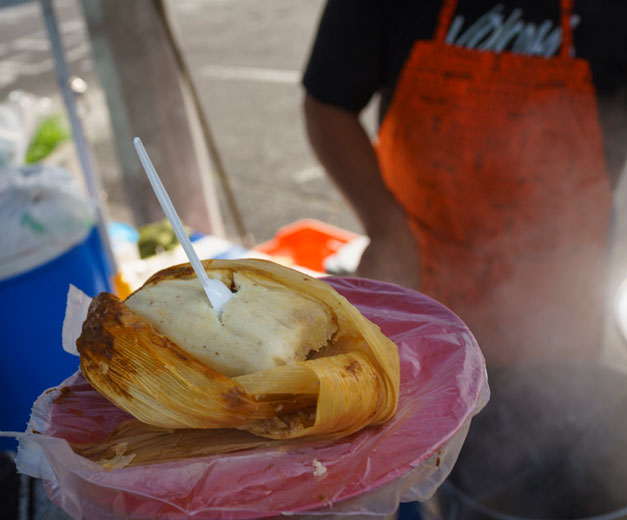
Oaxaca, in southwestern Mexico, is one of the country’s most biologically and culturally diverse states, with its Pacific coastline and confluence of mountain ranges at a tropical latitude and the numerous indigenous groups that have populated the area for centuries – or longer. All of these influences have produced a regional cuisine that is incredibly rich and deep and beloved among food-loving Mexicans (and non-Mexicans). Many immigrants from Oaxaca have brought this diversity of food and culture to Mexico City.

The Botequim

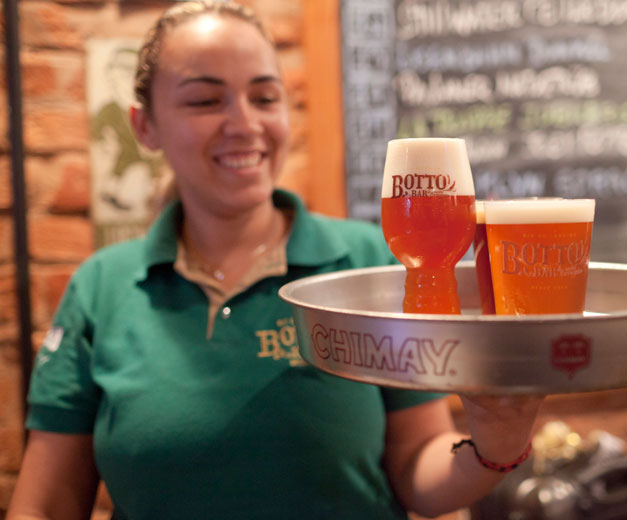
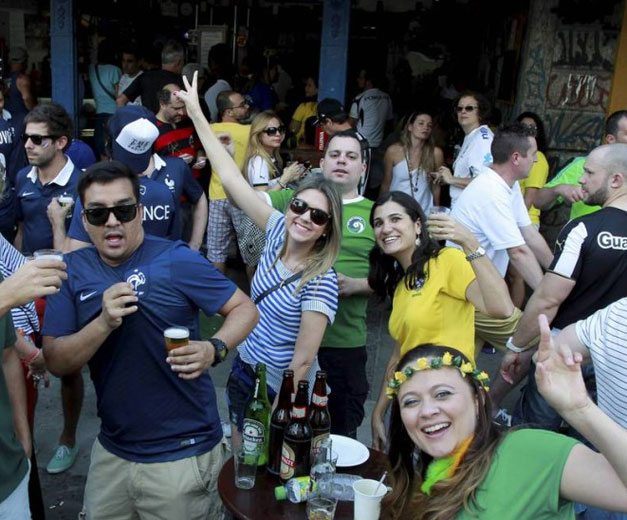
Brazil, as everybody knows, was colonized by the Portuguese. But even with the end of colonial Brazil, the Portuguese continued to come: at the beginning of the 20th century, thousands of them immigrated to flee poverty in Europe and to start anew in Brazil – especially in Rio. As the capital of the colony for more than 400 years, Rio has been the most influenced by Portuguese traditions, architecture and, of course, gastronomy.

Galaktoboureko

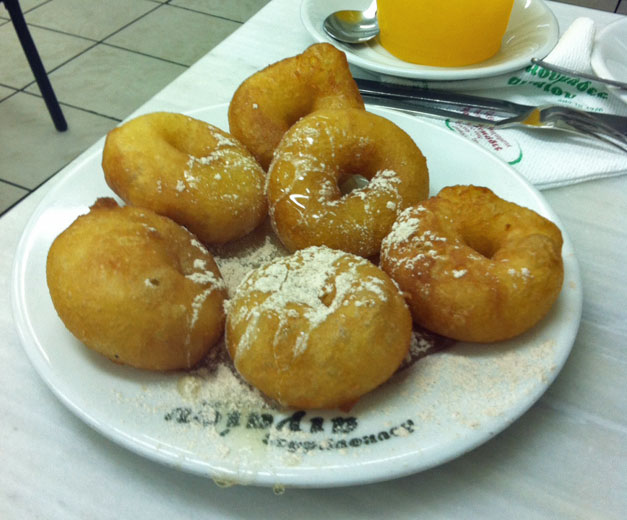
There is a certain rite of passage associated with being invited to dinner or coffee at a Greek friend’s house. Not so much because of what you will end up eating or drinking there, but because of what the other guests will be bringing as gifts. To most Western Europeans’ surprise, one of the most popular gifts for the host is a big dessert – the kind of cake that is usually reserved for birthdays or big celebrations in other countries. Greeks often arrive bearing big, rectangular patisserie boxes containing anything from a large cheesecake to ice cream- and sorbet-layered cakes. And of course, very often these boxes contain a pan of the Greek national dessert, galaktoboureko.

Zhu Que Men

Unwieldy English restaurant names often lose a lot in translation. Take Zhu Que Men, or “The Gate of the Vermillion Bird.” The name, which draws on Chinese astrology and Taoism, might seem a little highfalutin’ for a home-style noodle joint, but the subtext speaks volumes.

First Stop

Editor’s note: In the latest installment of our recurring feature, First Stop, we asked Lillian Chou, former food editor of Gourmet and now a freelance writer in Beijing, where she heads first for food when she arrives in Shanghai. There are several factors that decide where I eat first when I arrive in Shanghai – mostly, it’s whether I’m alone or with friends and what kind of eaters they are and how much time we have.

Istanbul's Spring Foods

Spring arrives at the markets in Istanbul with a great deal of color and fanfare. Vendors arrange peas in perfect diagonal rows, displaying their goods to lure you into a multi-kilo purchase. Men furiously carve out artichoke hearts and toss them into lemon-water-filled bags, step around massive piles of trimmings and hand you what feels like a new goldfish purchase. Fava beans are ubiquitous in their fuzzy pods, although less appealing because of all the prep work that comes with them. Best to enjoy fava beans in a restaurant, zeytinyağlı-style (with olive oil) and or in our favorite preparation, a garlicky mash like the chefs make at Müzedechanga in the Sabancı Museum.

Mercado de Medellín

In Mexico, marketplaces have been the soul of communities for millennia, and of the many modern-day ones we’ve visited in Mexico City, the one we’re always most excited to return to is Mercado Medellín in Roma Sur. Recently, we visited with a guide, an American expat who gets her produce and meat there every week and could get us the inside scoop. Our first stop was La Sorpresa butchery. Arturo, the owner, shook our hands and continued breaking down a large piece of beef for a special delivery. He told us that his family has run La Sorpresa inside the market for 25 years. The meat they sell comes from different slaughterhouses in the country, and even from the United States.

logo

Terms of Service